Interior design in 2026 reflects a fascinating tension between minimalist restraint and maximalist expression. Homeowners are increasingly confident in mixing influences, combining cultural traditions with personal preferences to create spaces that feel both current and deeply personal.
Here are the trends that leading designers are embracing this year.
1. Japandi Maturity
The Japandi aesthetic has evolved beyond its initial trend status into a mature design language. In 2026, Japandi interiors feature:
- Darker wood tones replacing the pale oak that defined early Japandi
- Handcrafted ceramics with wabi-sabi imperfections as focal points
- Textural layering combining linen, wool, and raw silk
- Intentional negative space that resists the urge to fill every corner
The result feels less like a trend and more like a timeless approach to living with fewer, better things.
2. Art Deco Revival
Art Deco is experiencing a full-scale revival, driven by a desire for glamour and personality. The 2026 interpretation includes:
- Jewel-toned velvet in emerald, sapphire, and ruby
- Brass and gold accents on furniture, hardware, and light fixtures
- Geometric patterns in rugs, wallpaper, and tile
- Curved furniture with dramatic silhouettes
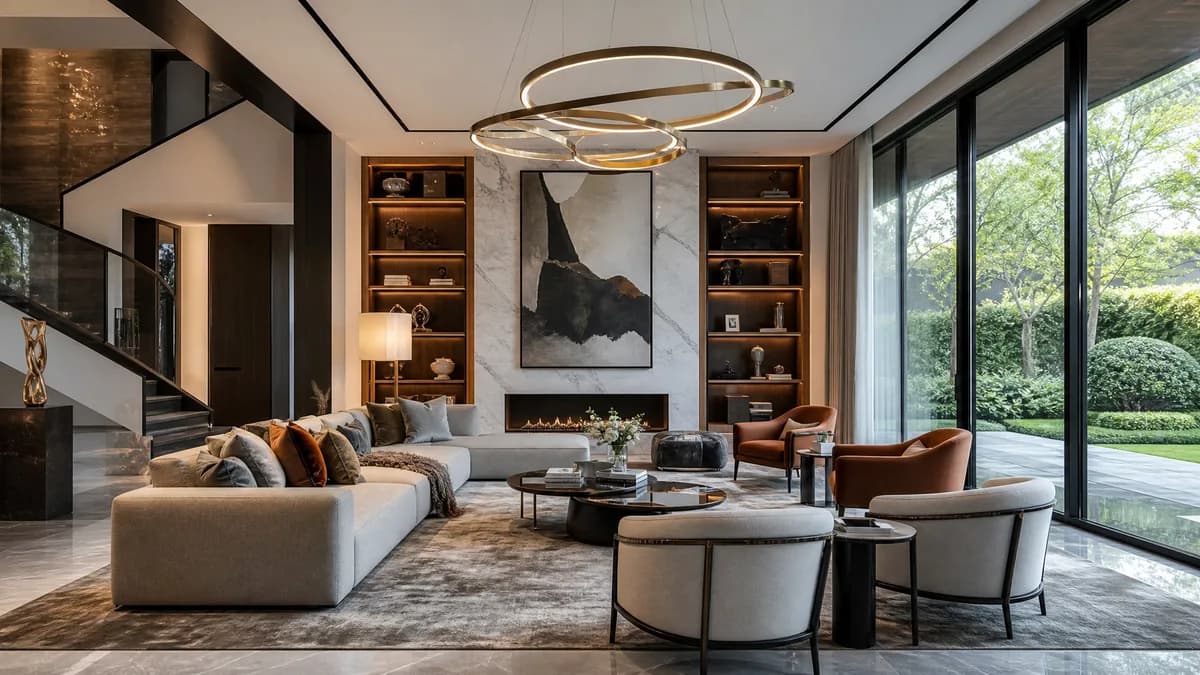
- Statement lighting as sculptural centerpieces
This trend pairs particularly well with older homes that have original architectural details like crown molding and fireplaces.
3. Biophilic Design Goes Structural
Moving beyond potted plants on windowsills, biophilic design in 2026 integrates nature into the architecture itself:
- Living walls as permanent room dividers
- Indoor water features with recirculating systems
- Natural stone accent walls in living and bathroom spaces
- Floor-to-ceiling windows that blur indoor-outdoor boundaries
- Natural material palettes emphasizing wood, stone, and clay
4. Warm Minimalism
The cold, all-white minimalism of the 2010s has given way to warm minimalism that retains clean lines while adding:
- Earth-toned color palettes: terracotta, warm gray, olive, and cream
- Natural textures: bouclé, travertine, woven rattan, and raw linen
- Organic shapes: rounded furniture edges, irregular pottery, and flowing forms
- Layered lighting: warm-toned ambiance rather than harsh overhead fixtures
Modern minimalist interiors and Scandinavian interiors both embrace this warmer direction.
5. Bold Color Blocking
For those ready to move beyond neutrals, color blocking creates dramatic impact:
- A single wall in a saturated color (deep teal, burnt orange, or plum)
- Color-drenched rooms where walls, trim, and ceiling share one bold hue
- Contrasting color zones that define functional areas in open plans
- Colorful appliances and fixtures replacing standard white or stainless
6. Vintage and Antique Integration
Mass-produced furniture is losing ground to one-of-a-kind vintage pieces:
- Mid-century finds from local markets and online resellers
- Family heirlooms refinished and reupholstered
- Artisan-made pieces from independent craftspeople
- Mixing eras in a single room for eclectic authenticity
The Bohemian style embraces this approach most fully, while Traditional and Mid-Century Modern interiors incorporate select vintage pieces.
7. Flexible Living Spaces
Post-pandemic hybrid work has permanently changed how we use our homes:
- Multi-function rooms with furniture that adapts (desk by day, dining table by night)
- Acoustic privacy elements including sound-absorbing panels and heavy curtains
- Defined work zones that integrate aesthetically with living spaces
- Concealed storage that hides work equipment when off the clock
How to Apply These Trends
The key to incorporating trends without dating your home is selective adoption:
- Pick one or two trends that genuinely resonate with your lifestyle
- Apply through reversible elements: paint, textiles, and accessories
- Invest in timeless structural pieces (quality sofa, dining table) and trend through accents
- Use our AI interior design tool to visualize different styles in your actual rooms before committing
Upload a photo of any room and try styles from Contemporary to Industrial to see which direction feels right for your space.
Frequently Asked Questions
Which 2026 trend has the most staying power? Warm minimalism and biophilic design are the most likely to endure, as they align with fundamental human preferences for natural materials and connection to nature.
How do I mix trends without creating chaos? Choose a dominant style direction and incorporate accent elements from complementary trends. A Japandi base with Art Deco lighting, for example, creates sophisticated tension without visual confusion.
Is all-white interior design officially over? Not entirely, but the all-white approach has shifted toward warm whites, creams, and off-whites paired with natural textures. Cool, stark white rooms feel dated in 2026.