
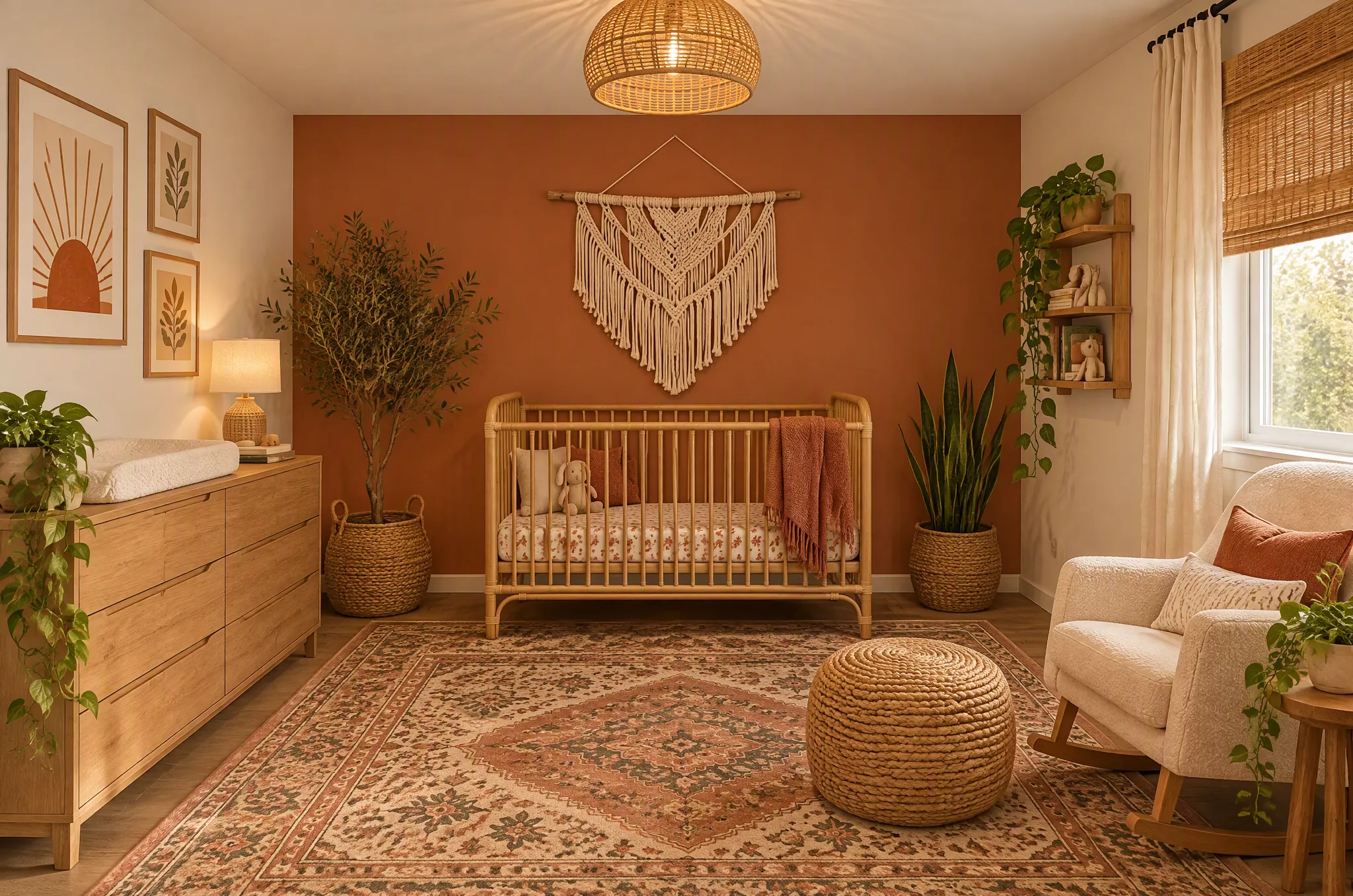
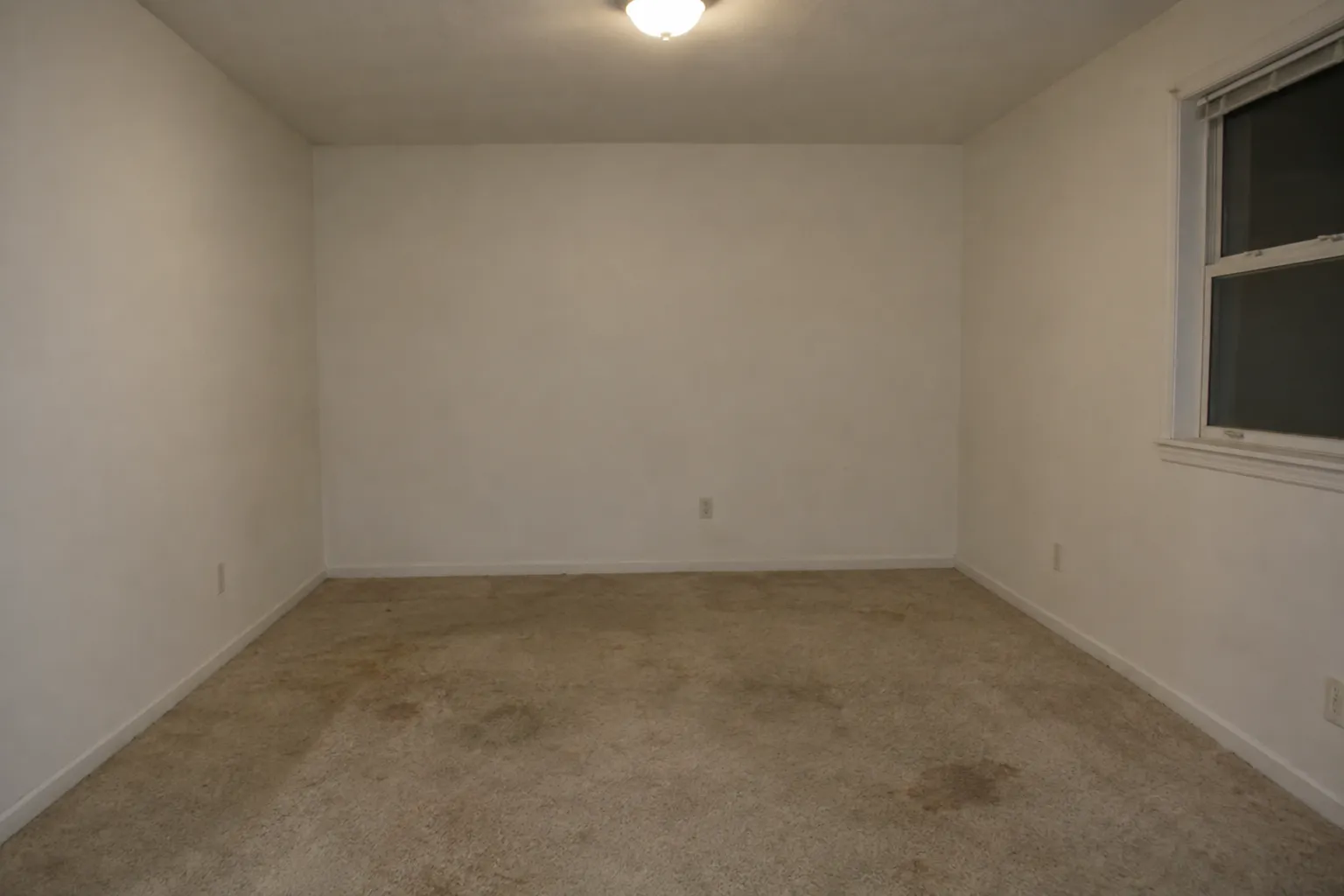
Design Philosophy
Bohemian interior design takes its name from the "bohemians" of nineteenth-century Paris, the artists, writers and musicians who lived outside conventional society and decorated their homes accordingly. Their rooms were collected rather than planned: a rug from one journey, a painting from a friend, a chair rescued from a market. The 1960s and 70s revived the idea, adding global textiles, macramé and a love of plants.
The philosophy is personal expression over rules. A boho room is not matched or coordinated in the usual sense. It is built from layers of color, pattern and texture that feel as if they arrived over time, and every object has a story. The only real requirement is that the space feels warm, free-spirited and unmistakably yours.
That freedom makes bohemian design popular with renters, creatives and anyone who dislikes showroom interiors. It also makes it easy to do badly. The best boho rooms have a strong underlying structure: a consistent warm palette, a clear focal point and enough empty space for the pattern to breathe.
A useful rule is to anchor the room first and collect second. Choose one large rug, one comfortable seat and one strong source of light, then layer in textiles, plants and found objects over months rather than a single shopping trip. Boho looks best when it feels gathered over time, which also keeps costs manageable.
Key Design Elements
- Layered rugs and textiles — Kilims, Persian rugs and woven throws layered over each other.
- Mixed patterns — Ikat, paisley, geometric and block prints combined, held together by a shared palette.
- Plants everywhere — Trailing pothos, palms and hanging planters bring in life.
- Eclectic, collected decor — Vintage finds, travel souvenirs, handmade ceramics and found objects.
- Natural materials — Rattan, wicker, jute, bamboo, macramé and raw wood.
- Warm, saturated color — Terracotta, mustard, rust, deep teal and jewel tones.
- Low, relaxed seating — Floor cushions, poufs and low sofas for an informal feel.
Recommended Furniture & Decor
Furniture & Decor
- A low sofa or daybed covered with a mix of patterned cushions and a throw.
- Rattan or cane chairs and a wicker peacock chair as a statement piece.
- A vintage wood or brass coffee table or a stack of poufs.
- Hanging planters and macramé to bring height and softness.
- Gallery walls of mixed frames, woven wall hangings and mirrors.
- Mismatched lamps with fabric or rattan shades and warm bulbs.
- Baskets and trays for storage and display.
Materials & Colors
- Walls in warm white, sand or terracotta, or a bold jewel tone as an accent.
- Floors in timber or tile, covered by layered rugs.
- Natural fibers such as jute, cotton, linen and wool.
- Metals in aged brass and copper rather than polished chrome.
- Palette of rust, ochre, deep green, indigo and blush, unified by warm neutrals.
Room-by-Room
- Bedroom — Layer bedding in mixed textures, hang a macramé or woven piece above the bed and add plants and string lights. See our bohemian bedroom ideas for specific combinations.
- Living room — Combine a low sofa with floor cushions, layered rugs and a collection of plants. Browse more living room ideas.
- Dining area — A reclaimed wood table with mismatched chairs and a woven pendant suits the mood.
- Home office — A vintage desk, rattan chair, pinboard and plants make a creative space.
- Balcony or patio — Extend the style outdoors with cushions, lanterns and potted plants.
Common Mistakes
- Clutter instead of curation — Boho should feel collected, not chaotic. Leave some surfaces and walls bare.
- No unifying palette — Mixed patterns need a shared color family so they read as layered rather than random.
- Too much "theme" — Mass-produced boho decor can look like a store display. Mix in genuine vintage and handmade pieces.
- Forgetting function — Make sure there is somewhere to sit, work and store belongings among the decoration.
Best For
- Renters who can change a space with textiles, plants and movable decor.
- Creative people who want a home that shows personality.
- Plant lovers with enough natural light to keep a collection healthy.
- Budget decorators, since thrifted, handmade and secondhand finds are central.
- Anyone who dislikes strict matching and wants a home that changes over time.
If you want a calmer, more edited feel, Japandi or Scandinavian keep natural materials with less pattern.
Budget Guide
Typical ranges for a single bedroom or living room of around 200 square feet. Thrifting and secondhand shopping lower costs significantly.
| Level | Scope | Estimated Cost (USD) |
|---|---|---|
| DIY Refresh | Textiles, plants, secondhand finds, a few rugs and some paint | $300 – $1,200 |
| Mid-Range | New bed or sofa, rattan furniture, rugs, lighting and art | $2,500 – $7,000 |
| Premium | Handcrafted textiles, antique rugs, custom furniture and lighting | $8,000 – $20,000+ |
Cost-saving tips: Flea markets, online resale sites and vintage rug dealers offer the best value. Build the room slowly, and buy a piece only when you love it.
Maintenance Level
Medium to High — More objects, plants and textiles mean more to clean and care for.
- Weekly — Dust surfaces and decor, vacuum rugs and water plants.
- Monthly — Wash throws and cushion covers, wipe down rattan and wicker, and rotate plants toward the light.
- Seasonal — Air out rugs and textiles, edit decor and check for pests in natural fibers.
- Yearly — Professional rug cleaning for delicate or antique pieces.
Try It Now
Upload a photo of your room and preview a bohemian redesign in seconds, free. For a full walkthrough, read our bohemian interior design guide, or explore the AI room design tool with other styles.