
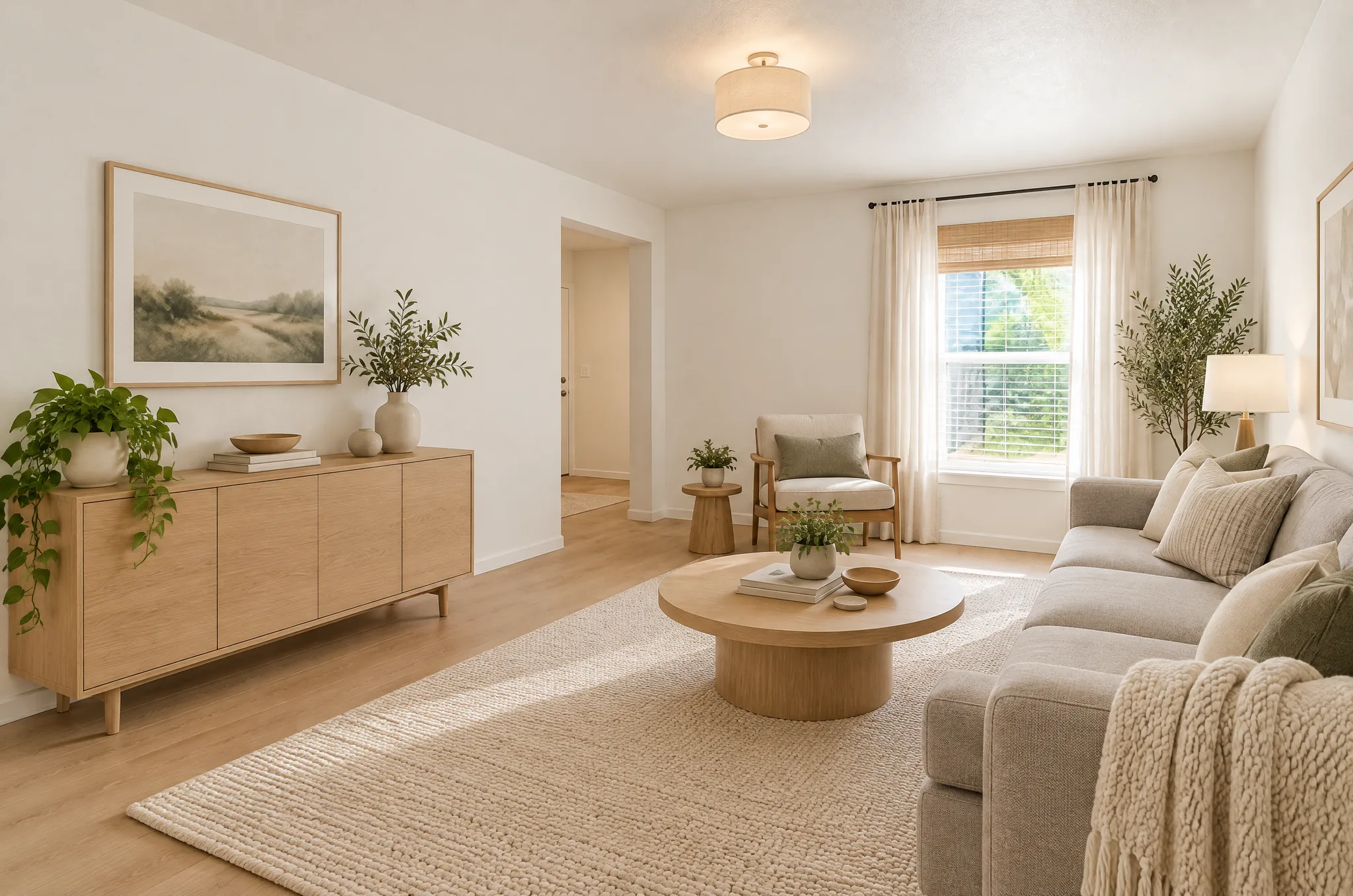
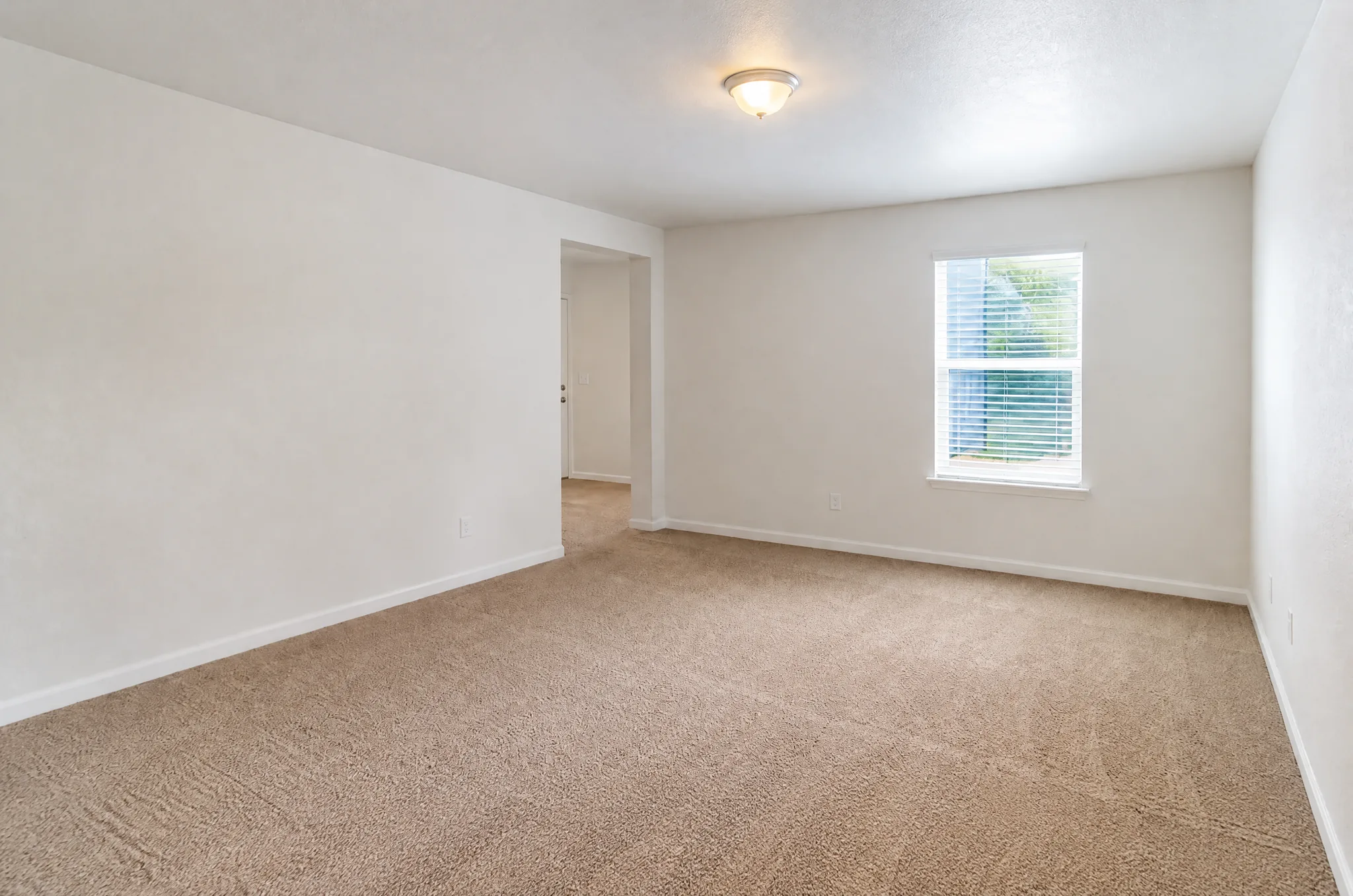
Design Philosophy
Scandinavian interior design comes from a simple problem: how do you make a home feel bright and welcoming when winter days are short and dark? Designers in Sweden, Denmark, Norway and Finland answered with pale walls that bounce light around, warm wood that keeps rooms from feeling clinical, and layers of soft textiles that make a space feel safe and cozy.
The style took shape in the early twentieth century and reached international attention in the 1950s, when Nordic designers combined craft traditions with affordable, well-made furniture for ordinary homes. That democratic spirit still defines it. A Scandinavian room is meant to be lived in, not admired from a distance, and good design is expected to be accessible rather than exclusive.
Two Nordic ideas explain the mood. The Danish concept of hygge describes the feeling of coziness and togetherness created by candles, blankets and good company. The Swedish idea of lagom means "just the right amount," which is why rooms feel balanced rather than empty or crowded. If a space is light, calm and quietly warm, it is working.
Key Design Elements
- Light-reflecting walls — White and soft off-white walls, often with a slightly warm undertone, make the most of limited daylight.
- Pale natural wood — Birch, ash, pine and light oak appear on floors, furniture and even ceilings.
- Functional, simple furniture — Pieces are slim, practical and often multi-purpose, with rounded corners and visible craftsmanship.
- Layered textiles — Sheepskin, chunky knits, linen and wool rugs add comfort without darkening the room.
- Indoor greenery — Plants bring life and color into a mostly neutral palette.
- Layered lighting — Table lamps, candles and paper pendants create pools of warm light for long evenings.
- Uncluttered surfaces — A few meaningful objects are displayed; everything else is stored away.
Recommended Furniture & Decor
Furniture & Decor
- A light-toned sofa in linen, wool or cotton, ideally with slim wooden legs.
- Classic Nordic chairs such as a wishbone-style dining chair or a molded plywood chair.
- A round or oval dining table in oak or birch that encourages conversation.
- Open shelving displaying books, ceramics and a few framed prints.
- A sheepskin or wool throw draped over a chair or the end of the bed.
- Paper or fabric pendant lamps that diffuse light softly.
- Simple framed art: botanical prints, graphic posters or black-and-white photography.
Materials & Colors
- Walls and ceilings in white, chalk or very pale grey.
- Floors in whitewashed or light oak boards, with a wool rug for warmth.
- Accent colors in muted blue-grey, dusty pink, sage or mustard, used in small doses.
- Black details in picture frames, lamp bases or window frames add contrast.
- Natural fibers such as wool, linen, cotton and jute throughout.
Room-by-Room
- Living room — Anchor the room with a light sofa, a wool rug and layered lighting. Our Scandinavian living room ideas show how to balance warmth and simplicity.
- Bedroom — Soft bedding in linen, a wooden bed frame and a warm bedside lamp make a restful space. See Scandinavian bedroom ideas.
- Home office — Pale wood desk, a task lamp and one shelf of tidy books keep focus high. Browse Scandinavian home office ideas.
- Kitchen and dining — White cabinetry with wood worktops, simple open shelves and a pendant over the table.
- Entryway — A bench, a row of hooks and a wool runner keep outdoor clutter contained.
Common Mistakes
- Using stark, cold white — Pure white can look clinical in northern light. Choose slightly warm whites and add wood.
- Skipping texture — Without wool, linen and sheepskin, the style turns bland. Layer at least three textiles in every room.
- Too many colors — Stay with two or three accents. The calm comes from restraint.
- Ignoring lighting — One overhead light is not Scandinavian. Add lamps, candles and a warm bulb temperature.
Best For
- Northern climates and homes with limited natural light.
- Small and medium apartments where light colors expand the sense of space.
- Families with children, because durable materials and open floor space are practical.
- People who want a calm look without strict minimalism — Scandinavian is warmer and softer.
- Budget-conscious decorators, since many pieces are available at mid-range prices.
If you prefer a more austere, almost monastic calm, look at Japandi. If you want even less visual softness, modern minimalist is the stricter option.
Budget Guide
Typical ranges for a single bedroom or living room of around 200 square feet. Prices vary widely by region and retailer.
| Level | Scope | Estimated Cost (USD) |
|---|---|---|
| DIY Refresh | White or off-white paint, textiles, lamps, plants and a rug | $400 – $1,500 |
| Mid-Range | New sofa or bed, wood furniture, lighting, curtains and rug | $3,000 – $9,000 |
| Premium | Solid wood flooring, designer furniture, custom storage | $12,000 – $30,000+ |
Cost-saving tips: Paint and lighting change the feel of a room faster than furniture. Mix one or two investment pieces, such as a quality chair, with affordable basics, and buy secondhand Nordic classics when you can.
Maintenance Level
Low — Light colors show dirt, but the style's simplicity means fewer objects to clean around.
- Weekly — Vacuum rugs and floors, wipe wood surfaces and shake out throws.
- Monthly — Wash cushion covers and throws, and dust lampshades.
- Seasonal — Rotate heavier knits in for winter and lighter linen in summer.
- Yearly — Oil or re-wax wooden furniture and floors if needed, and check white walls for scuffs.
Try It Now
Upload a photo of your room and see it in Scandinavian style in seconds, free. When you want the full decorating playbook, read the Scandinavian interior design guide, or try our AI room design tool with other styles.