

How to Choose a Living Room Style
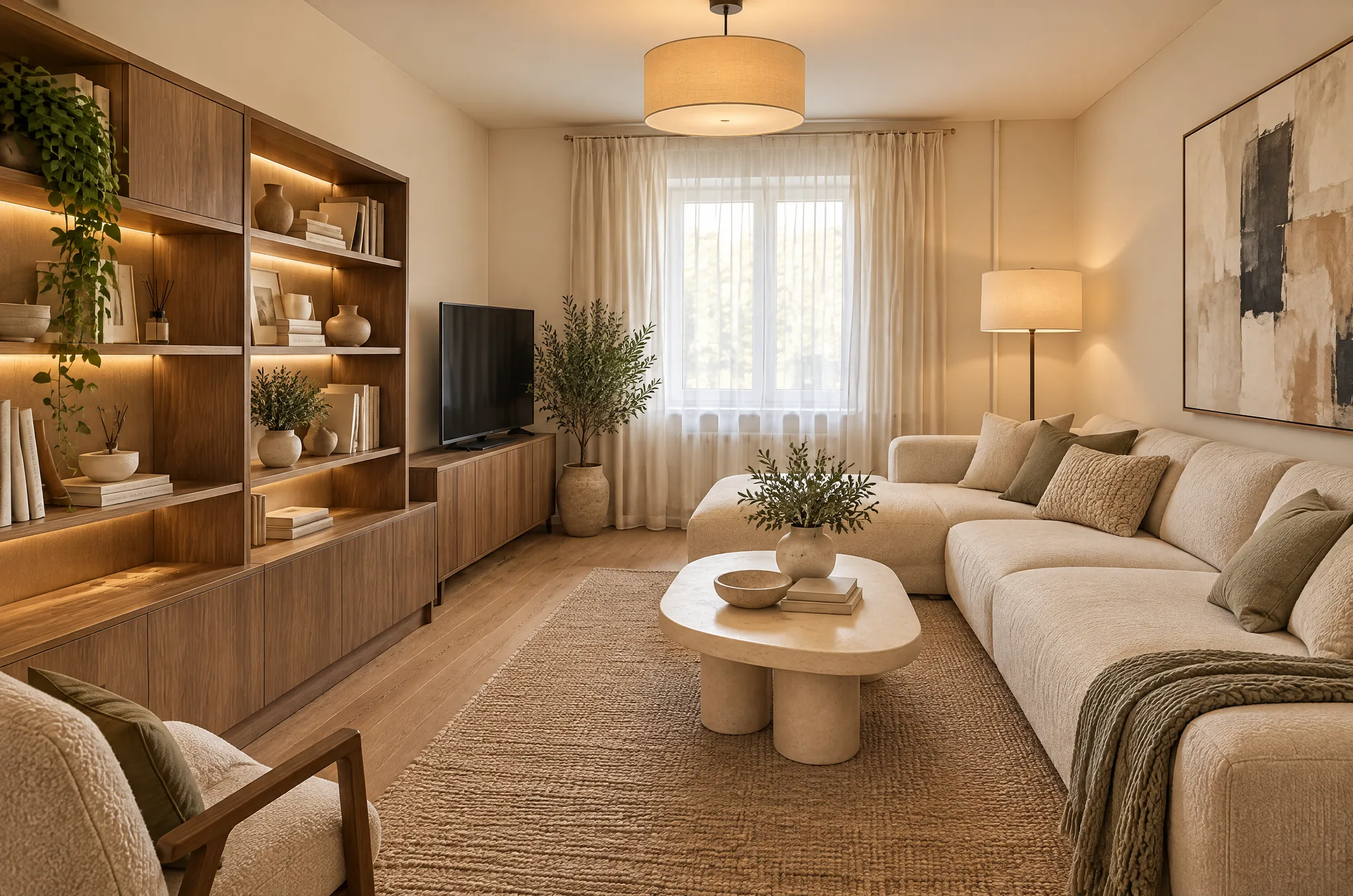
A living room has more jobs than almost any other space. It hosts guests, family evenings, screen time, reading and sometimes work, so the best style is the one that makes those activities easy. Start with how you actually use the room, then pick a look that supports it. These four styles cover most needs, and each links to a detailed idea page with furniture, color and material suggestions.
- Modern minimalist — Best if you want a calm room with few objects, clean lines and plenty of hidden storage. It suits compact apartments and open-plan spaces. Read more about the modern minimalist style.
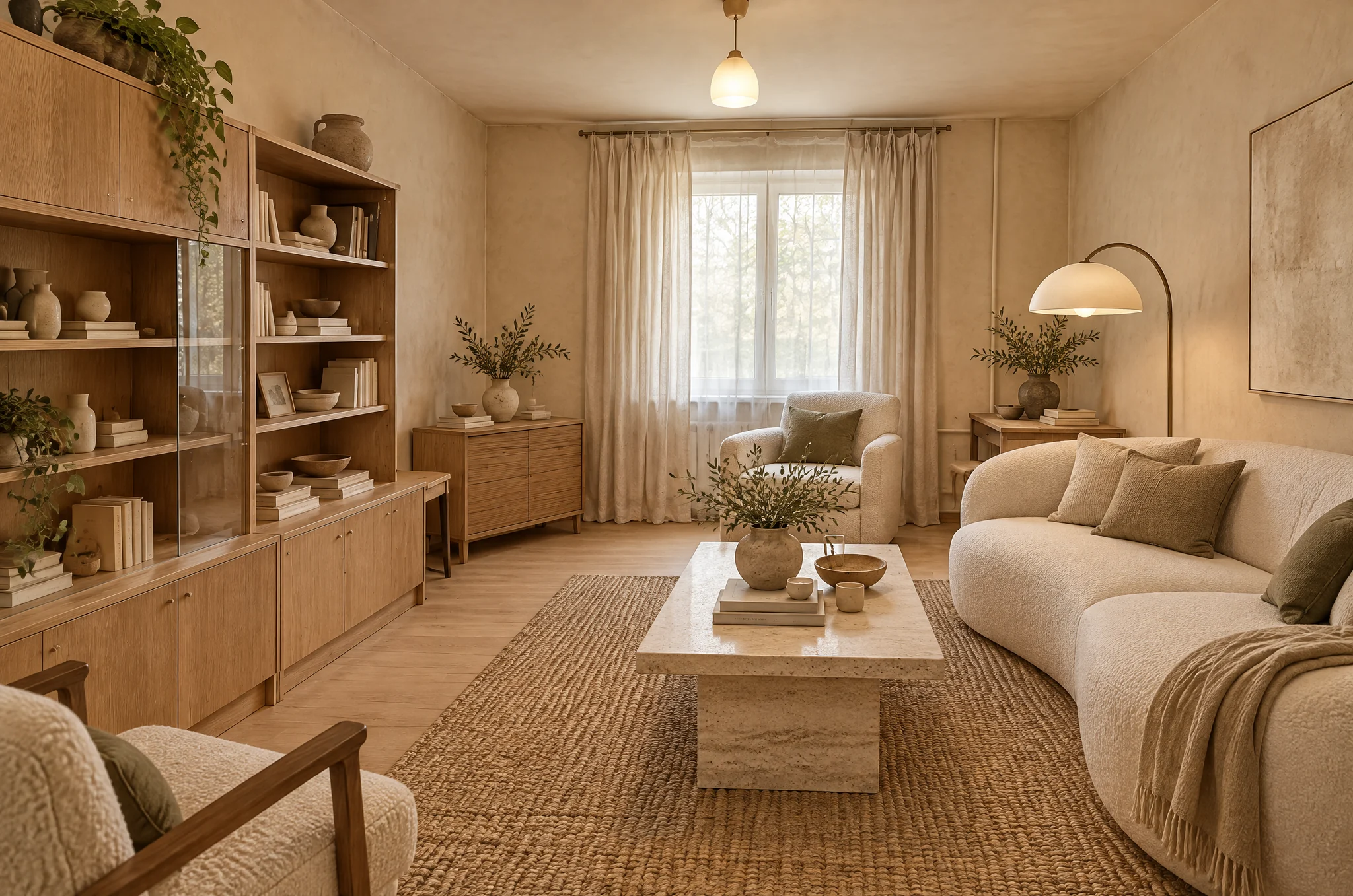
- Scandinavian — A warmer take on light, simple design, with pale wood, wool and linen. A good choice for families and rooms with limited daylight. See the Scandinavian style overview.
- Japandi — Low furniture, earthy tones and handmade objects create a quiet, grounded room. It suits people who want calm without a stark look. Explore the Japandi style.
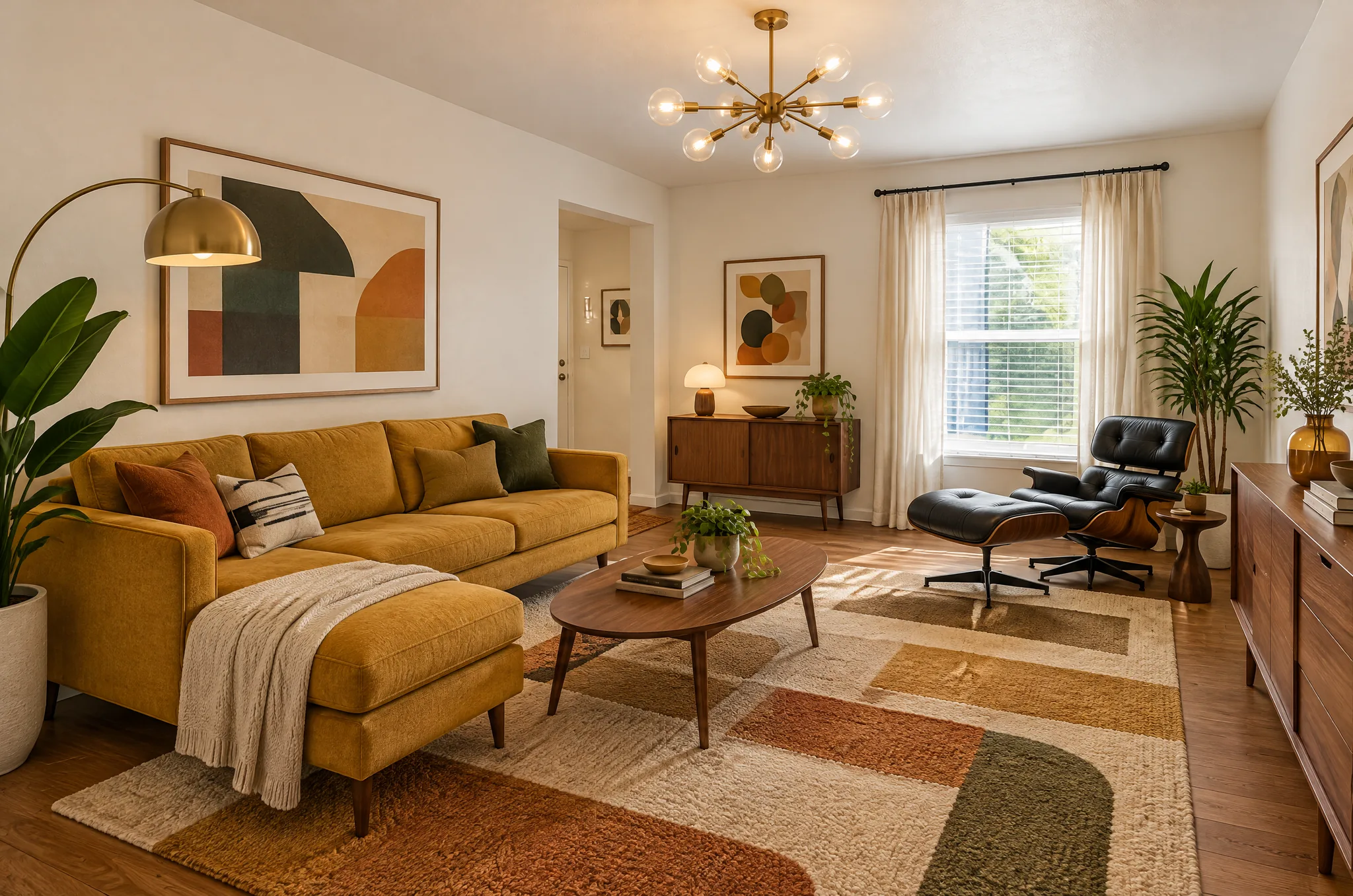
- Mid-century modern — Tapered legs, warm walnut and bold accent colors. Ideal for people who like character and vintage pieces. Learn about mid-century modern.
Layout and Sizing Basics
Good proportions matter more than any single piece of furniture. A few rules of thumb help most living rooms:
- Start with the focal point — A fireplace, a window view or the television. Arrange seating to face it, rather than pushing every piece against the walls.
- Keep walkways clear — Main paths should be 30 to 36 inches wide. Narrower paths feel cramped.
- Match the rug to the seating — At least the front legs of every seat should rest on the rug. In most rooms, that means an 8 x 10 or 9 x 12 foot rug.
- Keep the coffee table close — Leave 14 to 18 inches between sofa and table.
- Hang art at eye level — The center of a picture should be about 57 inches from the floor, and a piece above a sofa should sit roughly 6 to 8 inches above the back.
- Layer lighting — Combine an overhead light, at least two lamps and one accent light, so the room works in daytime and evening.
Common Mistakes
- Pushing furniture against the walls — It leaves a dead center. Float seating on a rug and create a conversation area.
- Buying a sofa that is too large — Measure the room and the doorway. Leave space for side tables and walking.
- Ignoring lighting — A single ceiling light flattens the room and creates harsh shadows.
- Skipping storage — Without a place for remotes, blankets and toys, surfaces fill up quickly. Choose a media unit, baskets or a console with closed storage.
- Choosing everything at once — Build the room around the sofa and rug, then add the rest gradually so that the room feels collected rather than bought as a set.
Budget Overview
The ranges below are typical for a living room of around 200 square feet and vary widely by region, brand and quality.
- Refresh ($300 – $1,500) — Paint, new lighting, textiles, a rug and a few accessories.
- Mid-range ($3,000 – $10,000) — A new sofa, coffee table, rug, shelving, lighting and window treatments.
- Premium ($12,000 – $35,000+) — Custom storage, designer seating, new flooring and a full lighting plan.
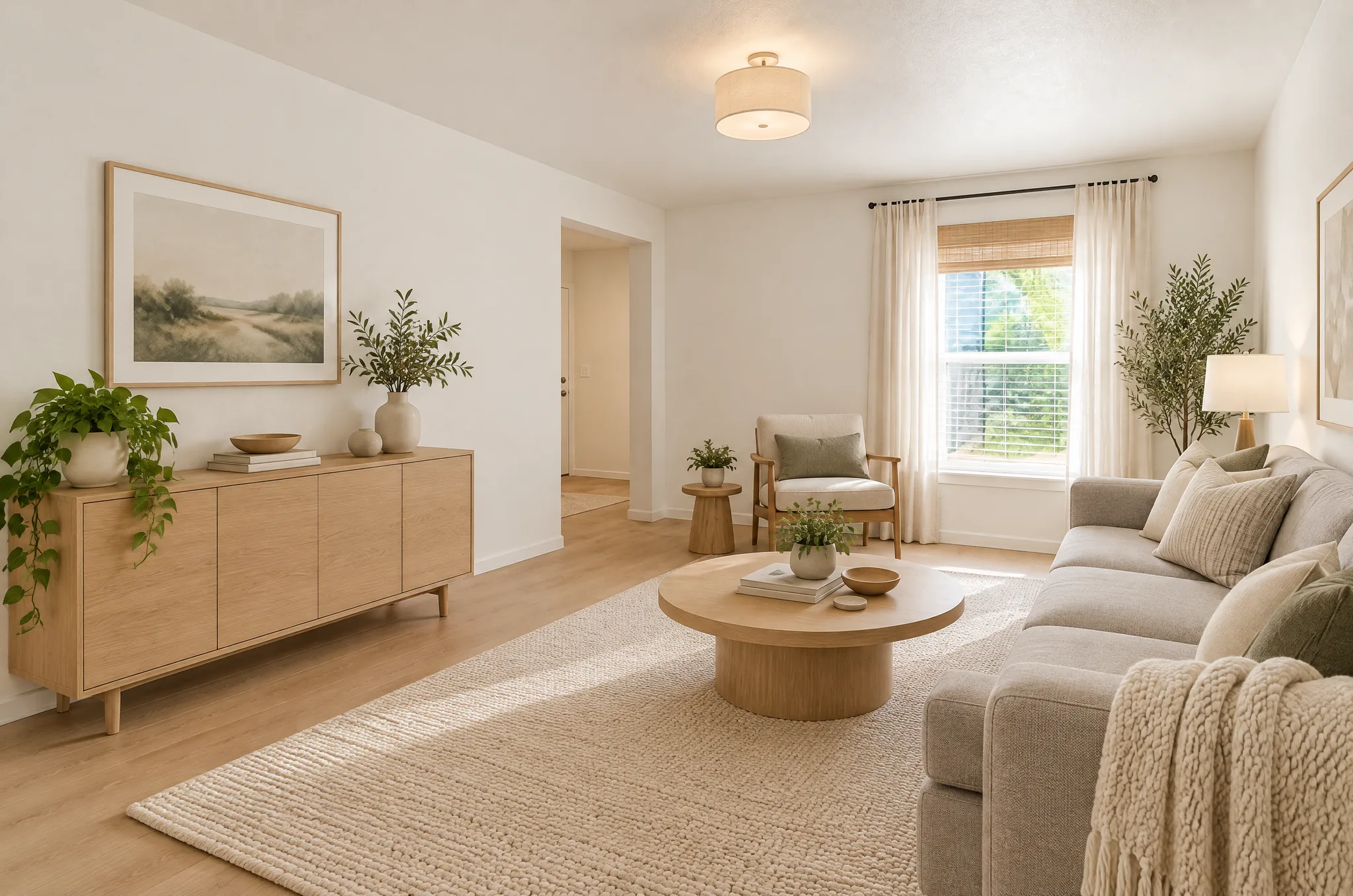
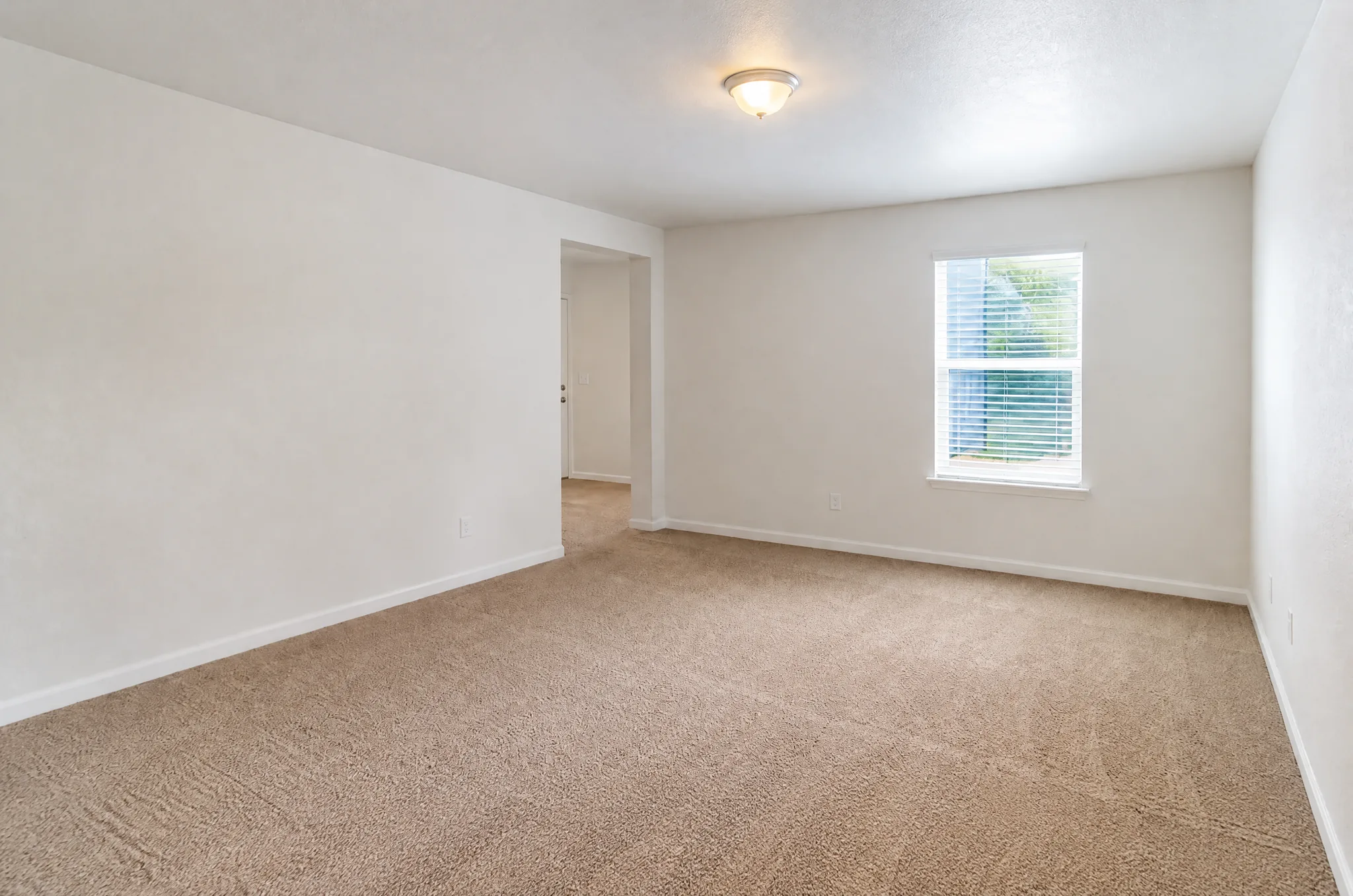
Spend first on the sofa and lighting, which affect comfort every day, and save on accessories. Use our AI room design tool to compare styles on your own photo before buying.