Scandinavian interior design is not about living in an empty white box with a single cactus on the windowsill. That version — the one that dominates Pinterest boards and stock photos — misses the point entirely. Real Nordic interiors are warm, layered, and deeply personal. They start with function and daylight, then add texture, craft, and enough softness that you actually want to curl up on the sofa at 4 PM when the winter sky goes dark. The Scandinavian interior style has been the most-searched interior design approach globally for three years running, and in 2026 it is evolving faster than ever.
This guide covers the principles that make the style work, the 2026 shifts that are changing how it looks, the exact materials and colors to use, and room-by-room strategies for bringing warm Nordic minimalism into your home — regardless of your budget or square footage.
The Five Principles of Scandinavian Interior Design
Every successful Scandinavian room rests on five interconnected ideas. Skip any one of them and the result feels incomplete.
1. Function First — Every Object Earns Its Place
The Nordic approach begins with a question: does this item serve a purpose? A beautiful ceramic bowl that holds your keys is Scandinavian. A beautiful ceramic bowl that sits empty on a shelf is clutter. This does not mean rooms are sparse — it means every piece is chosen with intention. A wool throw is not decorative; it keeps you warm. A side table is not a design statement; it holds your coffee and your book.
2. Daylight as the Primary Material
Scandinavian countries experience extreme seasonal light shifts — from 18 hours of summer daylight to barely 6 in winter. This shaped an entire design philosophy around maximizing natural light. Windows are left unblocked or dressed with sheer linen curtains. Walls are painted in light, reflective tones. Mirrors are placed strategically to bounce light deeper into rooms. Furniture is low enough to stay below window lines.
3. Natural Materials With Visible Character
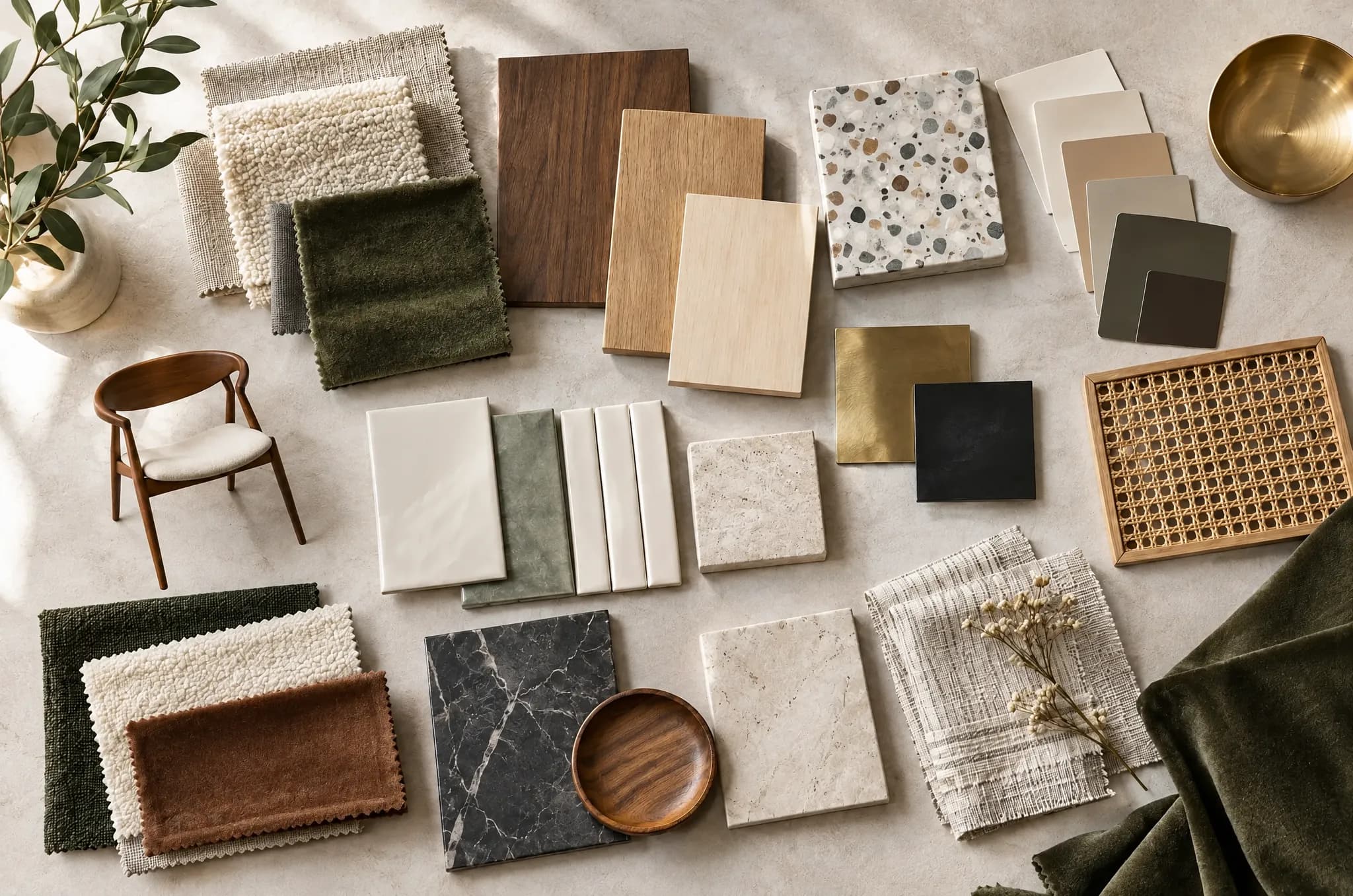
Wood, wool, linen, leather, ceramic, and stone are the material vocabulary of Nordic design. The key distinction: these materials are left to show their natural grain, weave, and texture rather than being lacquered, polished, or disguised. Oak floors show knots. Linen cushions show creases. Ceramic mugs show the potter's hand. This honesty is not a sign of carelessness — it is the foundation of the style's warmth.
4. Layered Lighting — The Secret to Hygge
Hygge — the Danish concept of enveloping coziness — is not achieved through candles alone. It requires layered lighting at multiple heights. A single overhead fixture creates flat, institutional light that kills the atmosphere. The Scandinavian approach uses three to five light sources per room: a pendant over the dining table, a floor lamp by the reading chair, a table lamp on the sideboard, wall sconces flanking the sofa, and candles scattered where the mood needs softening. All set to warm 2700K.
5. Edited, Not Empty
The most common mistake in attempting Scandinavian design is stripping a room down to nothing. Nordic homes are edited — not empty. The difference is crucial. An edited room contains everything you need and nothing you do not, but what remains has presence: a bookshelf with worn spines, a wool blanket in a rich ochre, a handmade vase with a single branch. The goal is visual calm, not visual absence.
2026 Color Palette: Beyond White Walls
The stark white walls that defined Scandinavian interiors for a decade are giving way to warmer, deeper tones. This is the single biggest shift in the style's evolution, and it changes everything about how Nordic rooms feel.
The New Neutrals
| Color | Where to Use | Why It Works |
|---|---|---|
| Warm cream (Benjamin Moore White Dove) | Walls, ceilings | Reflects light without the coldness of pure white |
| Greige (Jotun Lady Silky) | Living rooms, hallways | Adds depth while staying neutral enough for any furniture |
| Warm taupe | Bedrooms, reading nooks | Creates cocooning warmth for rest-focused spaces |
| Soft linen | Open-plan spaces | Unifies connected rooms without contrast fatigue |
Accent Colors for 2026
The new Scandinavian palette embraces color — carefully. Olive green, dusty terracotta, sage, muted plum, and warm ochre are showing up on accent walls, upholstery, and accessories. The rule remains: controlled contrast. One olive velvet armchair against cream walls does more than painting every surface green.
For homeowners drawn to moodier spaces, "Dark Scandi" has emerged as a legitimate sub-style: charcoal or deep forest green walls paired with brass fixtures, amber glass, and rich timber. The warmth comes entirely from materials and lighting rather than wall color, which makes fabric and wood selections even more critical.
Materials Guide: What to Buy and What to Skip
Invest In
- Light oak or walnut furniture — Solid or high-quality veneer with visible grain. Avoid painted MDF that pretends to be wood.
- Wool and bouclé upholstery — Textural fabrics that add warmth. A bouclé sofa or armchair has become the signature 2026 Scandinavian piece.
- Linen curtains and bedding — Naturally textured, light-filtering, and temperature-regulating. White or oatmeal tones work everywhere.
- Handmade ceramics — Mugs, bowls, and vases with visible maker's marks. These replace mass-produced accessories as the personality layer.
- Sheepskin and wool throws — Not just decorative. In Nordic homes, these are used daily from September through April.
Skip
- High-gloss surfaces — Lacquered cabinets, shiny metal legs, and glossy tiles work against the matte, tactile Scandinavian aesthetic.
- Synthetic fabrics — Polyester throws and acrylic cushions miss the material honesty that defines the style.
- Matchy-matchy furniture sets — Nordic rooms are curated, not purchased as a suite. Mix vintage with new, light wood with dark accents.
- Excessive wall art — One or two meaningful pieces per wall, not a gallery wall of prints you ordered in bulk.
Room-by-Room Guide
Living Room
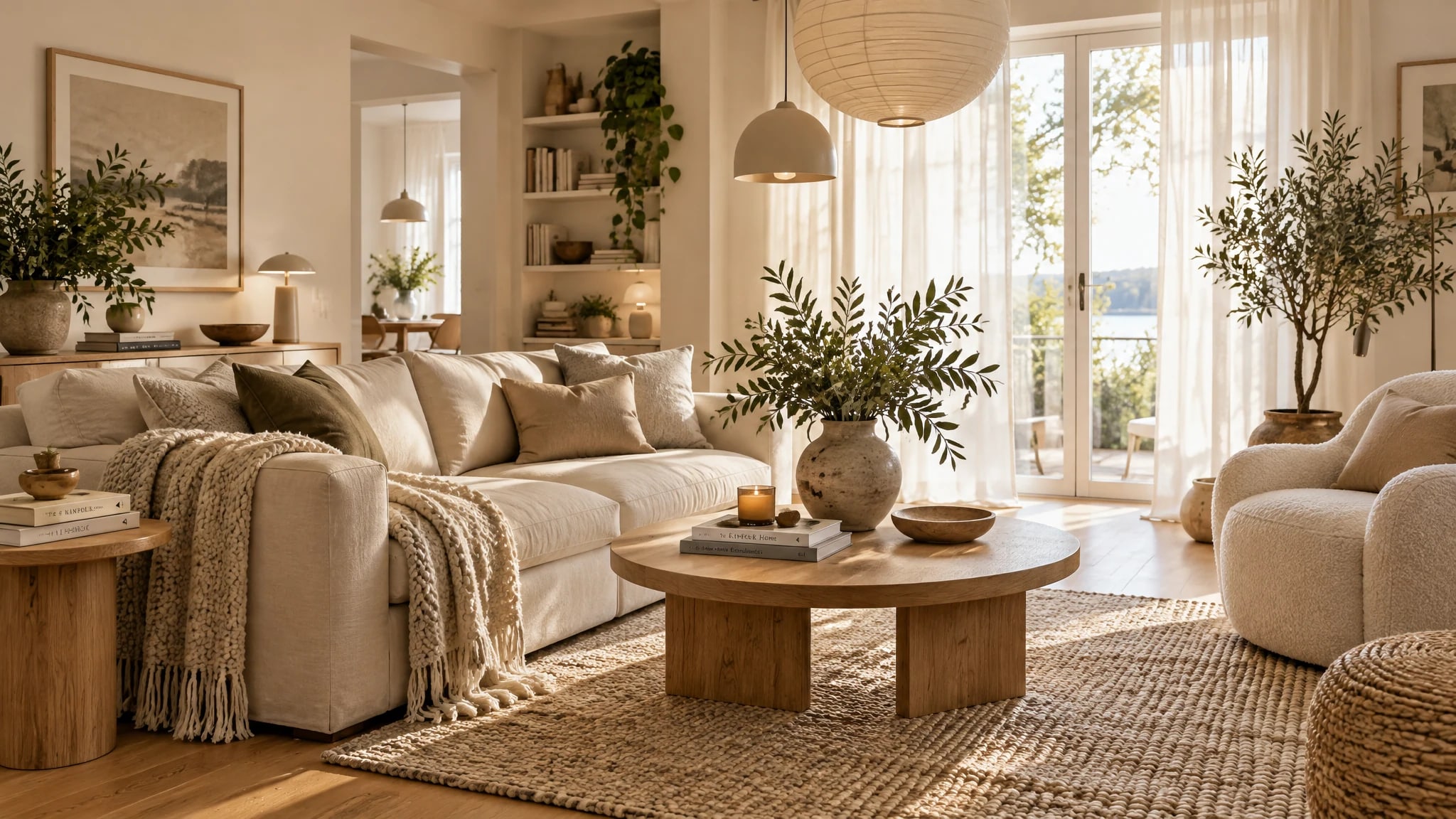
The living room is where Scandinavian design either succeeds or fails — it is the room guests see first and the room you spend the most waking hours in.
Foundation: Light oak or whitewashed wood floors with a large natural-fiber rug (wool, jute, or a blend) anchoring the seating area. The rug should extend under the front legs of all seating pieces to unify the zone.
Seating: A low-profile sofa in neutral linen or bouclé, paired with one accent chair that introduces either color (olive, dusty rose, ochre) or material contrast (leather). Rounded, organic shapes are replacing the angular silhouettes that dominated earlier Scandinavian design.
Lighting: Pendant lamp over the coffee table area, floor lamp beside the reading spot, table lamp on a side console, and wall-mounted sconce near the sofa. All dimmable, all 2700K.
Storage: Built-in shelving or a clean-lined sideboard. The Scandinavian approach to storage is to hide most things and display a few chosen objects: books, a ceramic piece, a candle, a small plant.
Bedroom
The Scandinavian bedroom is designed for one primary function: rest. Everything else is edited out.
Palette: The warmest tones in the house belong here. Soft taupe walls, oatmeal linen bedding, and a wool throw in a muted earth tone create a cocooning atmosphere. Use our AI interior design tool to preview how these warm tones transform your specific bedroom.
Bed: A simple timber frame — oak or ash — with a low headboard or an upholstered headboard in linen. The bed is dressed in layers: fitted sheet, flat sheet, duvet in a linen cover, and a folded wool throw at the foot.
Lighting: Two bedside lamps (wall-mounted to free the nightstand surface) and one ambient source — either a floor lamp in the corner or a pendant on a dimmer. No overhead recessed cans.
Rule of Three: Nightstand, one plant, one piece of art or mirror. That is all the surfaces need.
Kitchen
Nordic kitchens are working kitchens. The design follows the tools, not the other way around.
Cabinets: Flat-front or shaker-profile in matte white, light oak, or sage green. Handles in brushed brass or blackened steel. Open shelving for daily-use items — plates, mugs, glasses — because reaching for them should not require opening a door.
Countertops: Light-toned natural stone, pale quartz, or solid timber (oiled, not sealed to a plastic shine). The surface should feel warm to the touch.
Details: A ceramic soap dispenser. Linen tea towels hung from a simple hook. A wooden cutting board displayed upright. Herbs growing on the windowsill. These details are not styled for a photo — they are the natural byproducts of actually cooking.
Home Office
Remote work has made the home office one of the most important rooms in Nordic design.
Desk: A solid timber desk — oak or birch — with clean lines and enough surface to work without clutter. Standing desks in wood-topped versions fit the aesthetic.
Chair: An ergonomic chair does not need to be ugly. Nordic design brands like HAY and Muuto make task chairs that look intentional in a home setting.
Lighting: A good desk lamp (adjustable, 4000K for task work) plus an ambient floor lamp (2700K) for softer background light. The dual-temperature approach supports both focus and comfort.
Organization: Wall-mounted shelving above the desk, a single drawer unit below, and nothing on the desk surface that is not actively in use.
Common Mistakes and How to Fix Them
| Mistake | Fix |
|---|---|
| Pure white walls everywhere | Switch to warm cream or greige — the difference in perceived warmth is dramatic |
| Single overhead light per room | Add 2-3 additional light sources at lower heights |
| No textiles | Layer a wool throw, linen cushions, and a natural-fiber rug |
| Furniture from one brand/set | Mix eras and sources — one vintage piece transforms a room |
| Too many small accessories | Edit to one meaningful object per surface |
Budget Breakdown: Three Tiers
Starter ($500 – $2,000)
Paint walls warm cream, replace overhead bulbs with 2700K LEDs, add linen curtains, a wool throw, two table lamps, and sheepskin draped over an existing chair. This alone shifts the atmosphere significantly.
Mid-Range ($3,000 – $8,000)
Everything above, plus: one quality sofa or sofa cover in neutral linen, an oak coffee table, a handmade ceramic set, upgraded light fixtures (pendant + wall sconces), and a natural-fiber rug.
Full Transformation ($10,000 – $25,000)
New oak or engineered wood flooring, built-in storage, quality Scandinavian furniture throughout (sofa, dining set, bed frame), full lighting redesign, and linen window treatments. This is where the style reaches its full expression. Try our free AI design tool to visualize the complete transformation before committing to any purchases.
Scandinavian vs. Similar Styles: Key Differences
| Feature | Scandinavian | Japandi | Minimalist |
|---|---|---|---|
| Color temperature | Warm (cream, oak, honey) | Neutral to cool (stone, black, natural) | Cool (white, gray, concrete) |
| Texture | High — wool, linen, bouclé | Medium — wabi-sabi ceramics, wood | Low — smooth, uniform surfaces |
| Comfort priority | Very high — hygge is central | Moderate — beauty and calm share focus | Lower — form follows function strictly |
| Pattern use | Increasing in 2026 — stripes, subtle florals | Rare — solid tones dominate | Almost never |
| Greenery | Indoor plants encouraged | Bonsai and ikebana preferred | One architectural plant, if any |
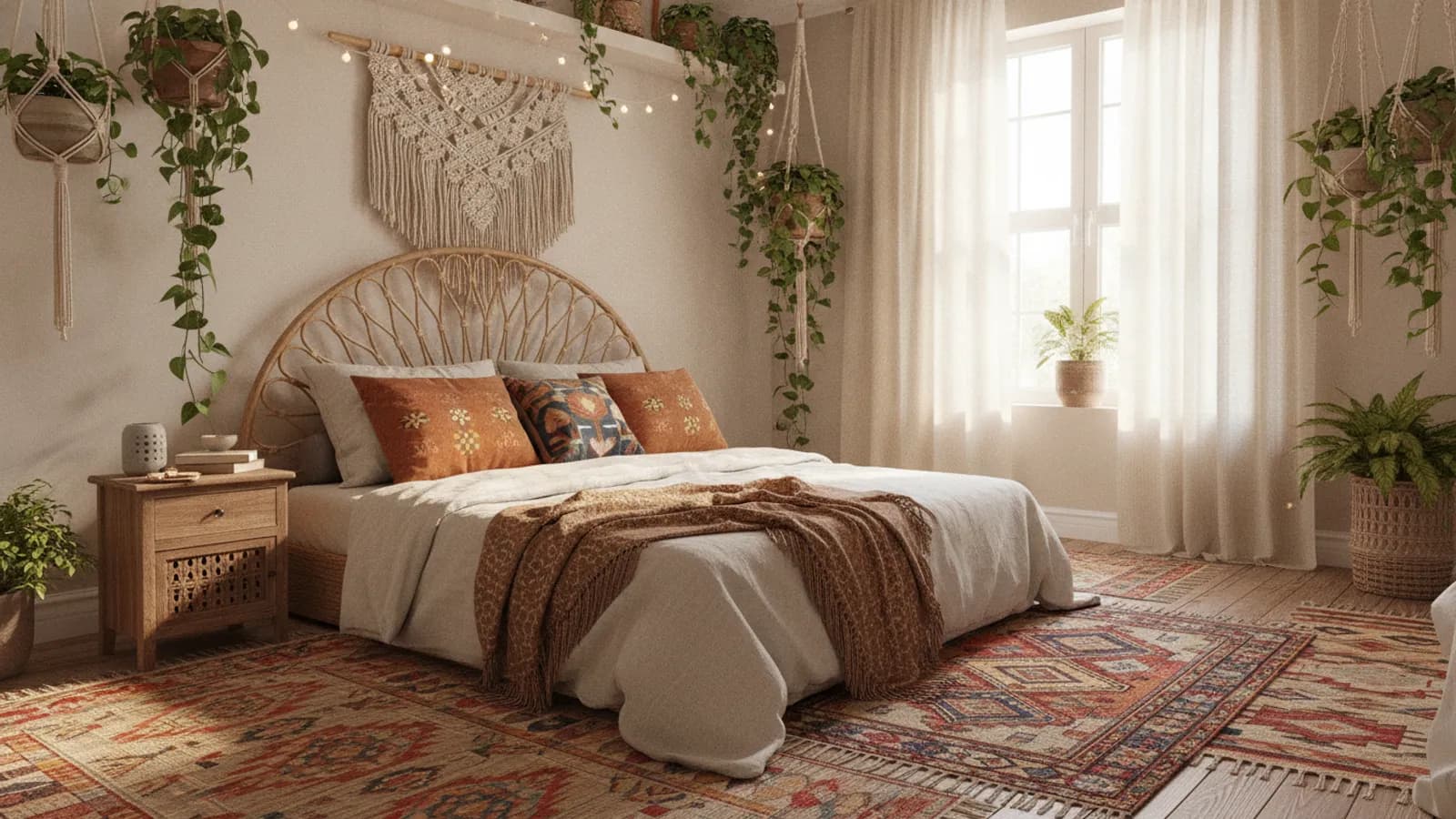
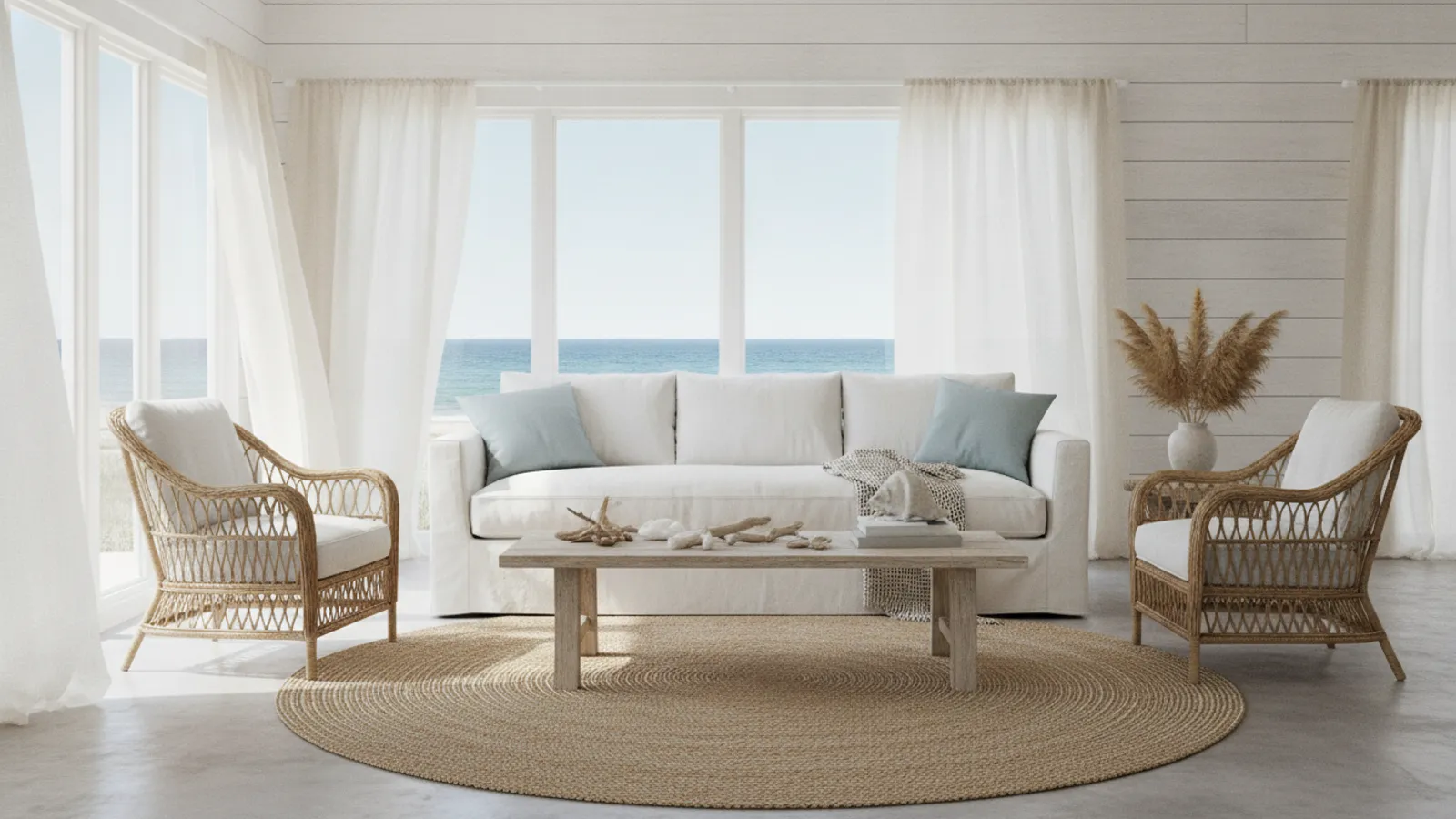
For a deeper comparison of interior styles, explore our complete styles collection to find the approach that matches your space and lifestyle. If minimalism is what draws you, read our modern minimalist interior design guide; for a warmer, more vintage-leaning take on clean lines, see the mid-century modern guide; and for a softer, sea-inspired palette, try the coastal interior design guide.
Start With One Room
The most effective way to bring Scandinavian design into your home is not to redesign everything at once. Pick the room you spend the most time in. Apply the five principles: function-first furniture, maximized daylight, natural materials, layered lighting, and edited surfaces. Live with it for a month. The calm is contagious — it spreads to the next room naturally.
If you want to see what your specific room looks like in the Scandinavian style before buying anything, upload a photo to our AI interior design tool — it preserves your walls, windows, and layout while transforming the furniture, colors, and materials to match the Nordic aesthetic. It takes 30 seconds and costs nothing.