
Design Philosophy
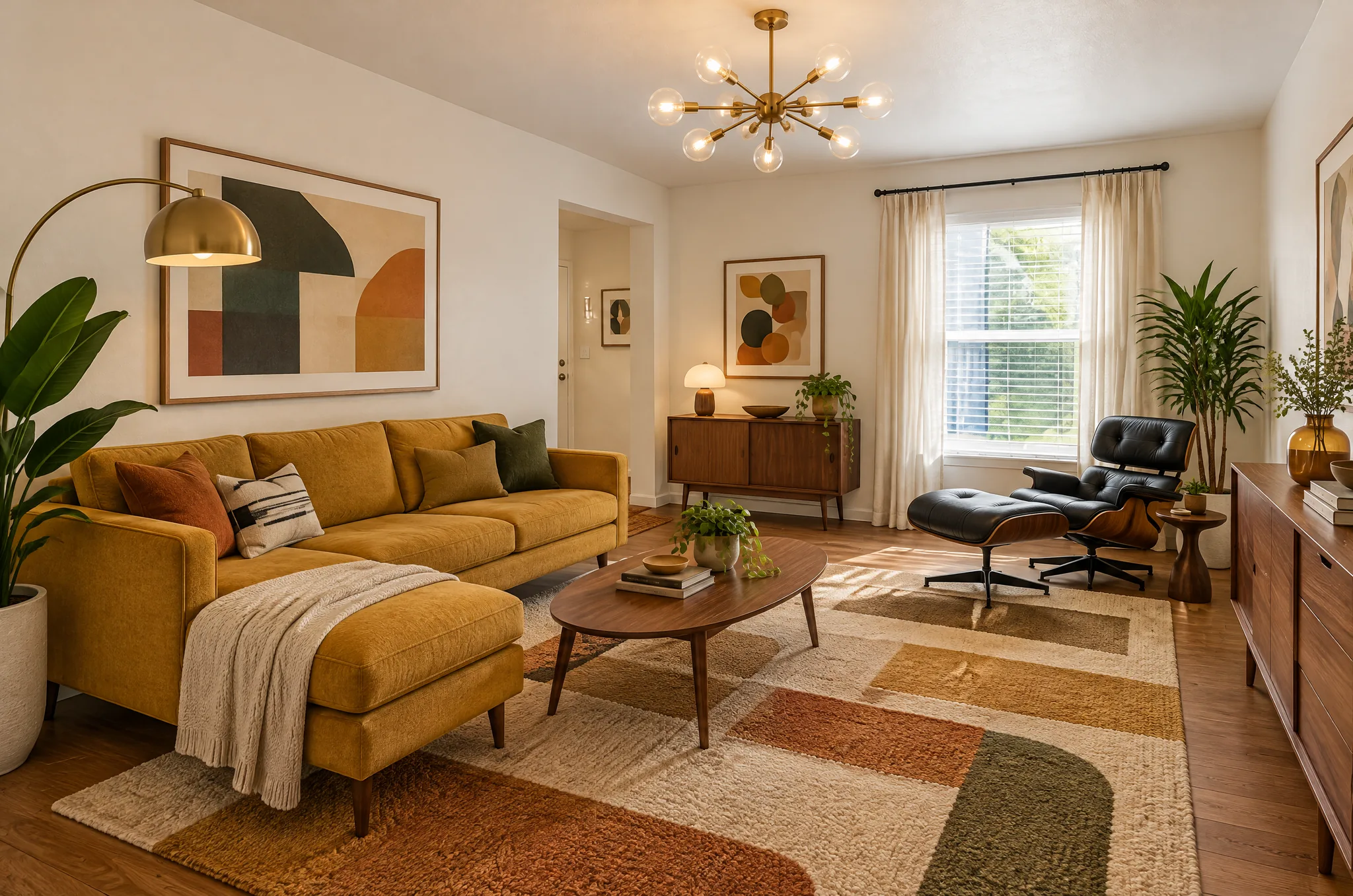
Mid-century modern design belongs to roughly 1945 to 1969, a period when postwar optimism, new manufacturing techniques and a growing middle class all arrived at once. Designers such as Charles and Ray Eames, Eero Saarinen, Hans Wegner, Arne Jacobsen and George Nelson believed good design should be affordable, functional and a little playful. Molded plywood, fiberglass, plastic and bent metal made it possible to build elegant furniture at scale.
The architecture mattered just as much. Houses of the era, from California's Case Study homes to suburban ranches, opened up to their gardens with large windows, sliding doors and low rooflines. Interiors followed: the boundary between indoors and outdoors softened, and furniture was designed to look good from every angle because rooms were open.
What makes the style endure is its balance. Shapes are organic but disciplined, wood is warm but not rustic, and color appears in confident doses rather than everywhere. Done well, a mid-century room feels optimistic, relaxed and distinctly human.
Key Design Elements
- Tapered, splayed legs — The signature silhouette: furniture seems to hover lightly above the floor.
- Organic curves and geometry — Kidney-shaped tables, egg-shaped chairs and starburst clocks sit beside clean rectangles.
- Warm wood tones — Walnut, teak and rosewood are the classic choices, usually with a satin finish.
- Retro accent colors — Mustard, burnt orange, olive and teal against a neutral base.
- Honest materials — Visible joinery, molded plywood and simple upholstery with no heavy ornament.
- Large windows and indoor-outdoor flow — Minimal window treatments keep sightlines open.
- Sculptural lighting — Globe pendants, arc floor lamps and Sputnik chandeliers act as artwork.
Recommended Furniture & Decor
Furniture & Decor
- A low sofa with tapered legs, ideally with clean, tight cushions in wool or tweed.
- A lounge chair and ottoman in leather or molded wood, the room's signature seat.
- A credenza or sideboard in walnut with sliding doors and slim legs.
- A tulip or oval dining table with matching molded chairs.
- Atomic and starburst accessories such as clocks, mirrors or wall sculptures, used sparingly.
- Ceramics, glass vases and abstract art in bold, simple shapes.
- A geometric or abstract rug in warm tones to ground the seating area.
Materials & Colors
- Wood in walnut, teak or oak with a clear matte finish.
- Upholstery in tweed, wool, leather and bouclé.
- Metals in brass, chrome and black powder-coated steel.
- Base palette of cream, warm white and light grey on walls.
- Accent palette of mustard, burnt orange, teal and avocado green in cushions, art and ceramics.
Room-by-Room
- Living room — Pair a low sofa with an iconic lounge chair, a credenza and an arc lamp. Our mid-century modern living room ideas cover layouts and color choices.
- Home office — A walnut desk, a classic task chair and a sculptural lamp make a stylish workspace. See mid-century modern home office ideas.
- Dining room — A tulip table, mixed chairs and a statement pendant are a quick way to set the era.
- Bedroom — A low platform bed with a slatted headboard, matching nightstands and a bold throw.
- Kitchen — Flat-panel wood cabinets, a colored accent such as teal or mustard, and a simple tile backsplash.
Common Mistakes
- Buying a "set" — Matching suites look like a catalog. Mix vintage and new pieces from the era.
- Too many orange and brown tones — Balance warm wood with cool neutrals or teal so the room doesn't feel dated.
- Oversized furniture — The style depends on lightness. Choose slim profiles and visible legs.
- Over-theming — A few iconic pieces do the work. Atomic clocks and starbursts everywhere turn it into a costume.
Best For
- Mid-century and ranch homes with low rooflines and big windows.
- Design lovers who enjoy hunting for vintage and reissued classics.
- People who want warm wood and color without leaving modern lines behind.
- Open-plan living where furniture is seen from every side.
- Anyone who prefers a timeless look that has stayed fashionable for decades.
Mid-century works poorly with heavy ornament or oversized, plush furniture. If you want a similar warmth with simpler lines, look at Scandinavian, or for something cleaner still, modern minimalist.
Budget Guide
Typical ranges for a single living room of around 200 square feet. Authentic vintage and licensed reissues can cost considerably more than inspired alternatives.
| Level | Scope | Estimated Cost (USD) |
|---|---|---|
| DIY Refresh | Paint, lighting, vintage or thrifted accessories, one new rug | $400 – $1,500 |
| Mid-Range | New sofa, credenza, coffee table, lighting, rug and art | $4,000 – $10,000 |
| Premium | Licensed designer reissues or authentic vintage, custom built-ins | $12,000 – $35,000+ |
Cost-saving tips: Estate sales and vintage marketplaces are strong sources for solid wood pieces. Look for tapered legs and clean joinery rather than a famous label, and invest in one signature chair.
Maintenance Level
Medium — Wood and leather age beautifully when cared for, and vintage pieces may need occasional repair.
- Weekly — Dust wood surfaces, vacuum upholstery and rugs.
- Monthly — Clean brass and chrome, and wipe leather.
- Yearly — Oil or wax wood furniture, check joints and screws on older pieces, and keep wood out of direct sunlight.
Try It Now
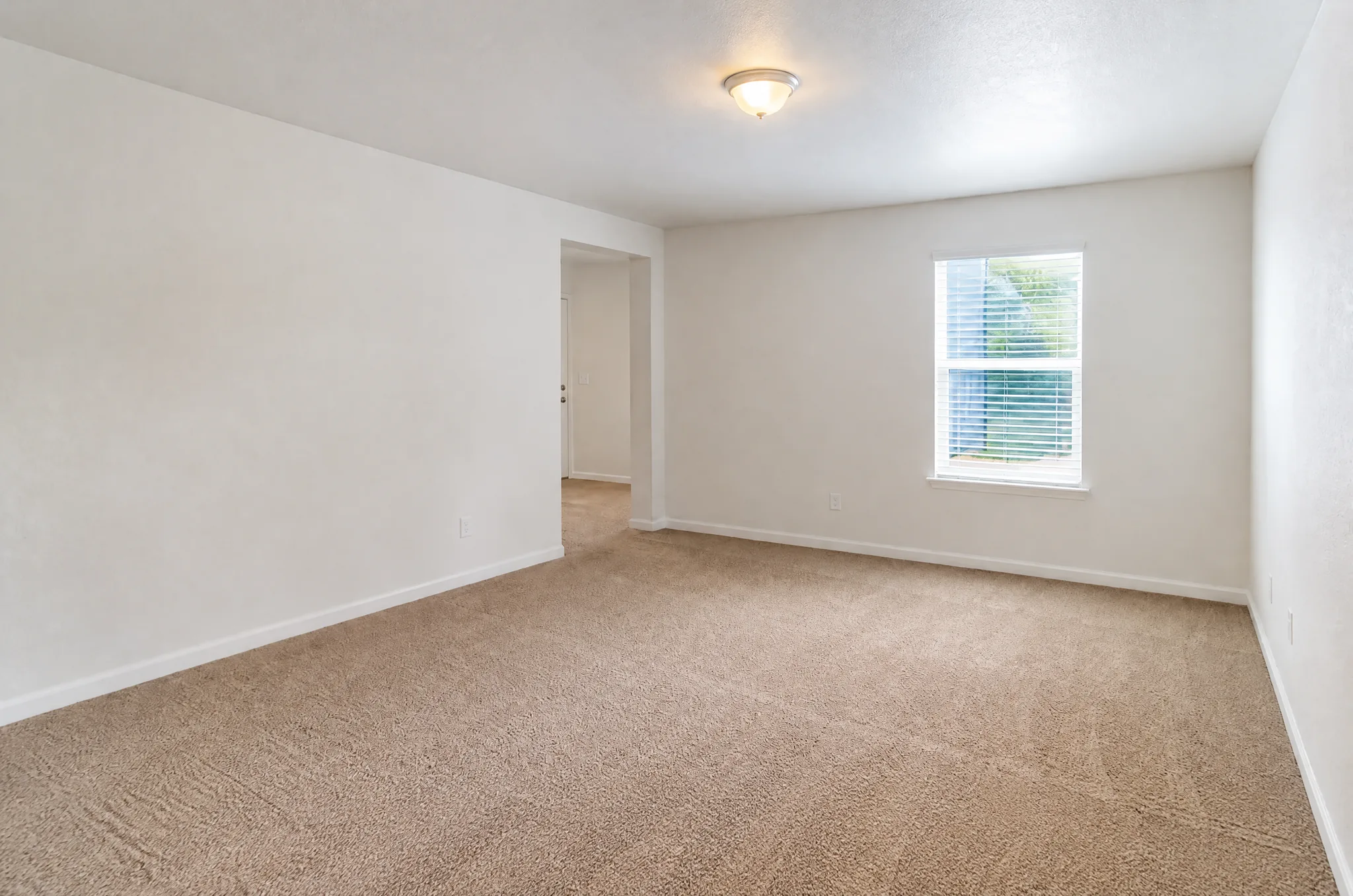
Upload a photo of your room and preview a mid-century modern redesign in seconds, free. For a complete walkthrough, read our mid-century modern interior design guide, or try the AI room design tool with other styles.