
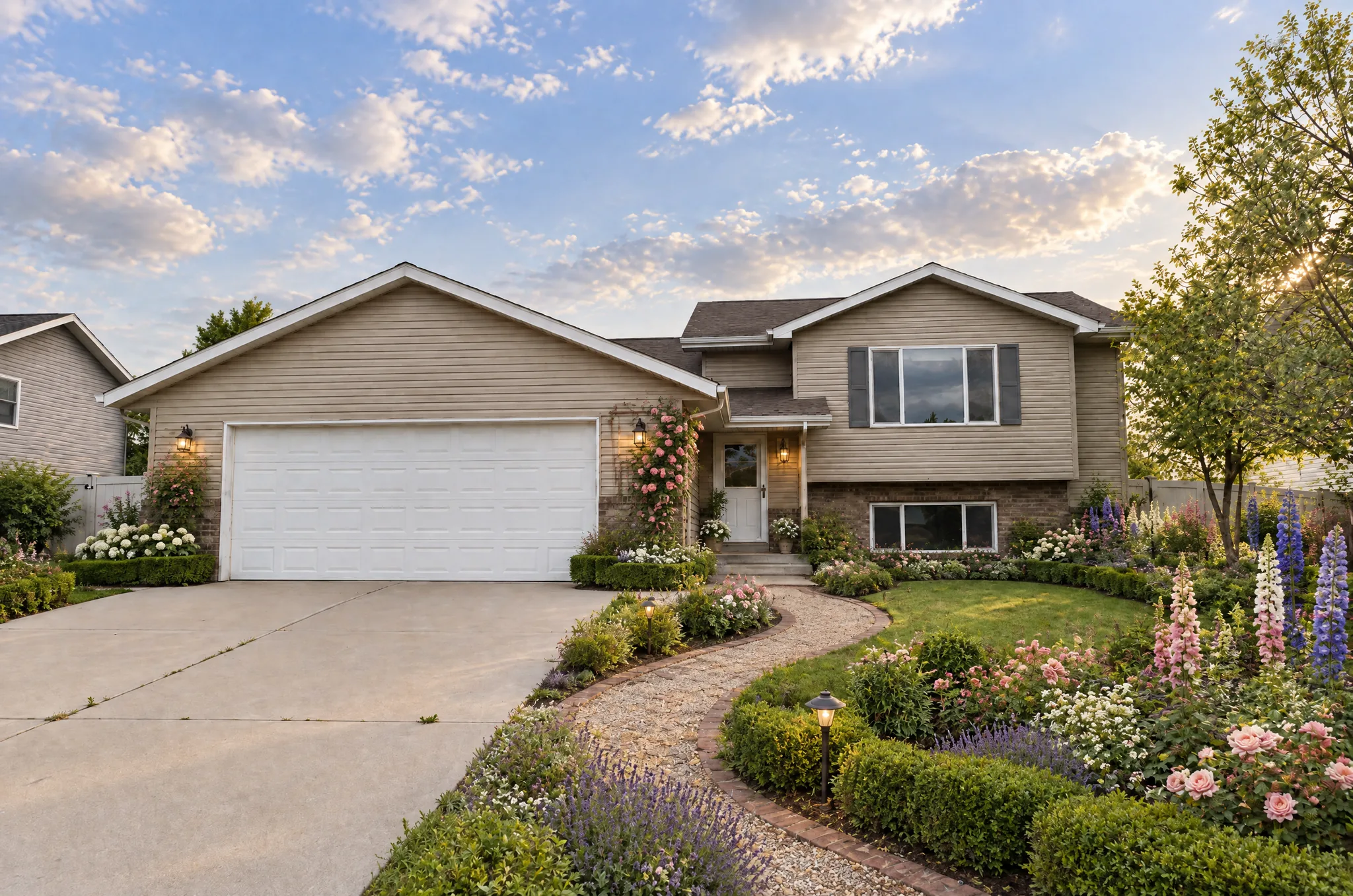
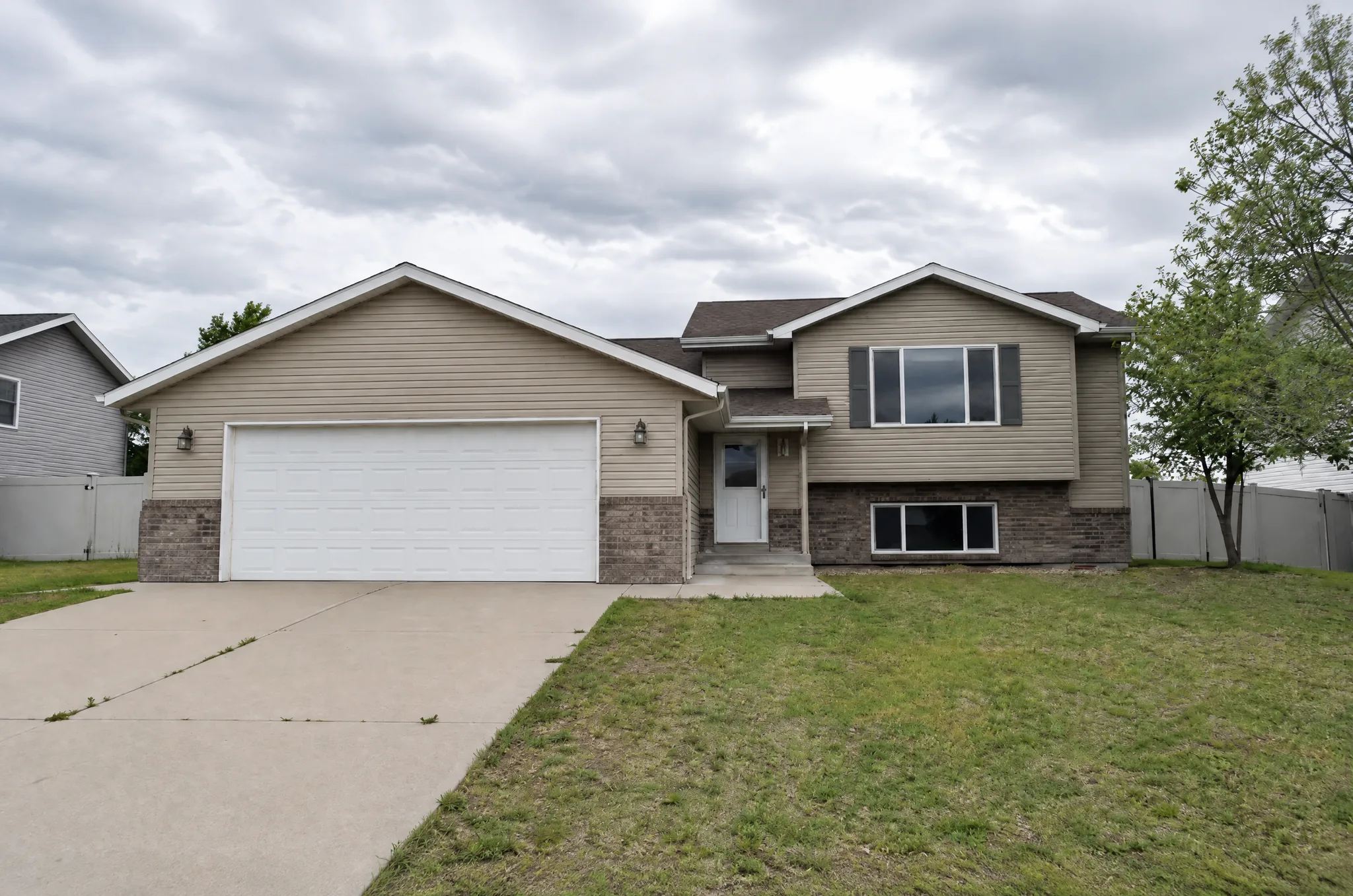
Design Philosophy
The English cottage garden is arguably the most romantic of all garden styles — a living tapestry of color, fragrance, and informal abundance that feels both ancient and endlessly fresh. Its origins lie in the medieval peasant gardens of rural England, where every square foot served a practical purpose: vegetables for the table, herbs for medicine, fruit trees for preserving, and flowers tucked wherever space allowed. Beauty was never the primary goal, yet the intermingling of edible and ornamental plants produced a visual richness that aristocratic estate gardeners would eventually spend fortunes trying to replicate.
The style was formalized during the late Victorian era through the writings and designs of Gertrude Jekyll and William Robinson, who rebelled against the rigid bedding schemes and geometric parterres that dominated nineteenth-century horticulture. Jekyll's partnership with architect Edwin Lutyens produced some of England's most celebrated gardens — Munstead Wood, Hestercombe — where structured hardscape provided the bones and exuberant planting provided the soul. Robinson's advocacy for "wild gardening" in The Wild Garden (1870) argued that plants should be allowed to self-seed, intermingle, and grow at natural density rather than being arranged in military rows. Together, they codified what gardeners now call "controlled chaos": borders that appear to overflow spontaneously while resting on careful planning beneath the surface.
The twenty-first century has brought the cottage garden roaring back into fashion. The cottage-core aesthetic on Instagram and Pinterest — soft florals, weathered stone, climbing roses on painted fences — has introduced a new generation to a style that feels authentically handmade rather than designer-imposed. Modern cottage gardens often incorporate native wildflowers and pollinator-friendly species alongside traditional English favorites, making the style not just beautiful but ecologically generous. The enduring appeal is simple: a cottage garden looks like it was made by someone who loves plants, not someone who loves control.
Key Design Elements
- Overflowing Mixed Borders — Perennials, annuals, bulbs, and self-seeding biennials interplanted at high density to create the signature layered, abundant look.
- Climbing Roses on Structures — David Austin and heritage climbing roses trained on arches, pergolas, and cottage walls provide vertical romance and repeat-bloom color.
- Informal Pathways — Aged brick, reclaimed stone, or gravel paths that curve gently through planting rather than cutting straight lines across the garden.
- Painted Wooden Boundaries — White or soft-colored picket fences, gate posts, and trellis panels that frame the garden and support climbing plants.
- Cutting-Garden Integration — Flowers chosen as much for vase life as for border display — delphiniums, sweet peas, and peonies arranged for continuous indoor bouquets.
- Structural Evergreen Anchors — Boxwood balls, yew topiary, or clipped hedges hidden within the froth of flowers to prevent the border from collapsing into undifferentiated mass.
- Seasonal Succession Planting — Bulbs for spring, early perennials for summer, late-season asters and grasses for autumn — ensuring the border never has a bare moment.
- Wrought Iron Accents — Obelisks, garden gates, and plant supports that add vertical interest and a sense of craft without competing with the planting.
Recommended Plants & Materials
Plants
- Climbing Roses: David Austin climbing roses (Rosa 'Gertrude Jekyll', Rosa 'James Galway') — repeat-flowering English roses with old-fashioned form and modern disease resistance
- Vertical Spires: Delphinium (Delphinium elatum), foxglove (Digitalis purpurea) — tall, stately spikes that punctuate the middle and back of borders
- Fragrant Perennials: English lavender (Lavandula angustifolia), catmint (Nepeta × faassenii) — silver-foliaged, pollinator magnets that edge paths beautifully
- Heritage Favorites: Peony (Paeonia lactiflora), hollyhock (Alcea rosea) — classic cottage garden anchors with decades-long lifespan
- Annual & Biennial Charm: Sweet pea (Lathyrus odoratus), campanula (Campanula persicifolia) — self-seeding charmers that fill gaps between perennials
- Architectural Bulbs: Allium (Allium 'Purple Sensation', Allium 'Globemaster') — spherical purple blooms that rise above early-summer perennials
- Ground-Level Fillers: Lady's mantle (Alchemilla mollis), hardy geranium (Geranium 'Rozanne') — low mounds that knit the border together and suppress weeds
- Self-Seeding Annuals: Nigella (Nigella damascena), calendula (Calendula officinalis) — cheerful volunteers that return year after year without replanting
Materials & Colors
- Pathways: Aged brick in herringbone or basket-weave patterns, reclaimed York stone, and warm-toned gravel with brick edging
- Boundaries: Painted wooden picket fence in soft white or pale blue-gray, split-rail sections for rural settings, and rustic gate posts with climbing rose supports
- Vertical Supports: Wrought iron obelisks, hazel or willow pea sticks, and timber archways for climbing roses and clematis
- Containers: Terracotta pots, galvanized metal tubs, and weathered wooden troughs for herbs and annual color near doorways
- Color Palette: Soft pink, lavender, cream, cottage blue, golden yellow, and every shade of green — with intentional restraint so no single hue dominates the composition
Best For
The English cottage garden suits homeowners who view gardening as a creative practice rather than a maintenance chore — people who find joy in deadheading, dividing, and watching self-seeders appear in unexpected places. It works especially well for:
- Suburban and rural properties with generous borders — the style needs room to breathe; cramped foundation planting cannot achieve the layered abundance that defines the look
- Cool to temperate climates — USDA zones 4–8, where delphiniums, foxgloves, and peonies thrive and winters provide the dormancy many cottage perennials require
- Cut-flower enthusiasts — a well-planned cottage border produces armfuls of bouquets from late spring through first frost
- Period and Arts & Crafts homes — the style has a natural architectural partner in bungalows, stone cottages, and timber-framed houses
The cottage garden demands patience. A newly planted border looks sparse for two to three years while perennials establish and self-seeders find their rhythm. Homeowners willing to invest that time are rewarded with a garden that becomes more beautiful, more personal, and more self-sustaining with each passing season.
Budget Guide
| Level | Scope | Estimated Cost (USD) |
|---|---|---|
| DIY | Brick or gravel paths + picket fence section + starter perennial collection + climbing rose on arch | $1,000 – $3,000 |
| Mid-Range | Professional border design + quality soil amendment + mixed perennial planting + brick pathway + wrought iron supports | $5,000 – $10,000 |
| Premium | Designer cottage garden with mature climbing roses, reclaimed stone paths, custom fencing, and full-season planting plan | $12,000 – $25,000 |
Plants typically account for 30–40% of the budget in a cottage garden, with hardscape and structural elements at 35–45% and labor at 25–35%. The most cost-effective approach is to start with a single deep border rather than attempting the entire property at once — buy smaller perennial divisions and allow self-seeders to fill gaps over two to three seasons. Mature climbing roses on established arches carry a premium but provide instant vertical drama that young specimens cannot match for years.
Maintenance Level
High — The cottage garden's beauty depends on active, attentive care throughout the growing season. Weekly deadheading of roses, sweet peas, and repeat-blooming perennials keeps the border looking fresh and encourages continued flowering. Bi-weekly weeding is essential in the first years before plants knit together densely enough to suppress competition. Perennials benefit from dividing every three to five years to maintain vigor and prevent overcrowding.
Seasonal tasks follow a rewarding rhythm: spring cleanup and staking of tall spires, summer deadheading and cutting-garden harvest, autumn division of overcrowded clumps and seed collection, and winter planning for next year's gaps. The upside of this investment is substantial — a mature cottage garden produces endless cutting-garden bouquets, supports pollinators and birds, and grows more self-sufficient with each passing year as self-seeders and established perennials take ownership of the space.
Try It Now
Upload your photo and see your space transformed into English Cottage Garden style in seconds — free to try.