
Design Philosophy
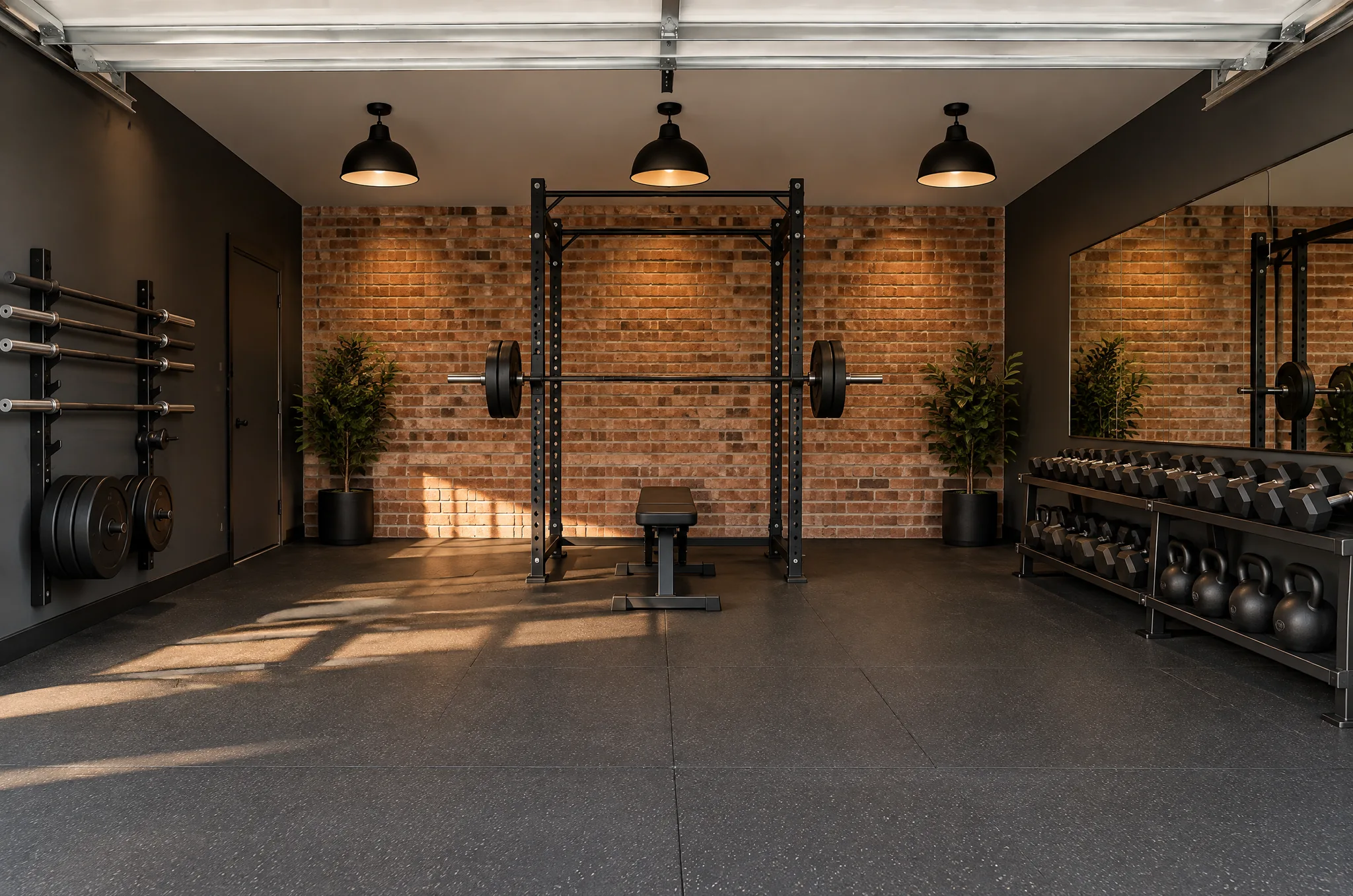
Industrial interior design began as an accident. When factories and warehouses in cities like New York, London and Manchester emptied out in the mid-twentieth century, artists and young families moved into the huge, cheap spaces and simply lived with what they found: exposed brick, steel beams, concrete floors, tall factory windows and visible ductwork. What looked like a compromise became an aesthetic.
The philosophy is honesty. Instead of covering structure with plaster and paint, industrial design celebrates it. Pipes are left visible, beams are polished rather than boxed in, and furniture often looks as if it could have come from a workshop. That raw framework is then softened with wood, leather and textiles so the room feels lived in rather than like a warehouse.
The look has evolved well beyond converted lofts. Today it appears in new apartments with concrete ceilings, in kitchens with steel shelving, and in suburban homes that borrow a few industrial pieces to add edge. The best versions mix hard and soft: a steel-framed window beside a worn leather sofa, a concrete floor under a vintage wool rug.
Key Design Elements
- Exposed structure — Brick walls, concrete, steel beams and ductwork stay visible whenever the building allows it.
- Large factory-style windows — Black steel or aluminium grids bring in light and give the room its signature look.
- A raw, muted palette — Charcoal, rust, grey, black and weathered brown, with warm accents to balance the cold.
- Reclaimed and aged materials — Salvaged timber, riveted metal and patinated leather add history.
- Open floor plans — Tall ceilings and big rooms are divided by furniture and rugs rather than walls.
- Utility lighting — Cage pendants, Edison bulbs, swing-arm wall lamps and track lighting.
- Mixed textures — Rough against smooth, metal against wood, hard against textile.
Recommended Furniture & Decor
Furniture & Decor
- A leather sofa in cognac or dark brown that gets better with age.
- A reclaimed-wood dining table on steel or cast-iron legs.
- Metal shelving units and ladder shelves for storage and display.
- Bar stools in steel or wood at a kitchen island or counter.
- Vintage industrial pieces such as drafting tables, locker-style cabinets or factory carts.
- Oversized wall clocks or graphic posters to fill tall walls.
- A large wool or kilim rug to soften concrete or hard floors and absorb sound.
Materials & Colors
- Walls in exposed brick, raw concrete or matte plaster in grey and warm white.
- Floors in polished concrete, wide-plank dark timber or reclaimed boards.
- Metals in blackened steel, aged iron and brushed copper or brass accents.
- Wood with visible grain and knots in walnut, oak or reclaimed pine.
- Accent colors such as rust, deep green or mustard to prevent the palette from feeling cold.
Room-by-Room
- Kitchen — Open steel shelving, butcher-block worktops and pendant lights are a natural fit. Explore industrial kitchen ideas.
- Home office — A steel-and-wood desk, a leather chair and a track light make a focused workspace. Browse industrial home office ideas.
- Living room — Let a brick wall or large window be the backdrop, then add a leather sofa, a rug and warm lamps.
- Bedroom — Use an iron or timber bed frame, linen bedding and warm bulbs to prevent a cold feel.
- Bathroom — Concrete-look tiles, black fixtures and a steel-framed shower screen.
Common Mistakes
- Too much black and grey — Without warm wood, leather or textiles, the room feels like a storage unit.
- Fake distressing — Over-processed "vintage" finishes look cheap. Genuine patina or clean modern metal both work better.
- Poor lighting — Bare bulbs everywhere are harsh. Mix task, ambient and accent lighting, and use dimmers.
- Forgetting acoustics — Hard surfaces echo. Rugs, curtains and upholstered furniture soak up sound.
Best For
- Lofts, warehouse conversions and apartments with high ceilings and exposed features.
- Creative professionals who like a studio atmosphere.
- Anyone who prefers character over polish and enjoys visible texture.
- Entertainers, because open layouts and sturdy materials handle crowds well.
- Homes with plain architecture that need a strong style to give them identity.
The style can feel cold in small, dark rooms with little daylight. If that's your situation, balance it with warm wood and soft lighting, or consider modern minimalist or contemporary.
Budget Guide
Typical ranges for a single kitchen or living area of around 200 square feet. Real costs depend heavily on how much structural work is needed.
| Level | Scope | Estimated Cost (USD) |
|---|---|---|
| DIY Refresh | Dark paint, cage lighting, metal shelving, thrifted furniture, large rug | $500 – $2,000 |
| Mid-Range | Leather sofa, reclaimed table, lighting plan, steel-look windows or partitions | $4,000 – $12,000 |
| Premium | Exposed brick or concrete restoration, steel windows, custom metalwork | $15,000 – $40,000+ |
Cost-saving tips: Salvage yards and architectural reclamation shops are the best sources for authentic pieces. Faux brick panels and concrete-effect paint can approximate the look in a rented or newly built space for a fraction of the cost.
Maintenance Level
Medium — Raw materials age well, but they need consistent care to look intentional rather than neglected.
- Weekly — Dust metal and wood, vacuum floors and rugs, and wipe leather.
- Monthly — Condition leather, clean light fixtures and wipe down steel surfaces.
- Yearly — Seal brick and concrete, wax or oil wooden surfaces and treat exposed metal against rust.
Try It Now
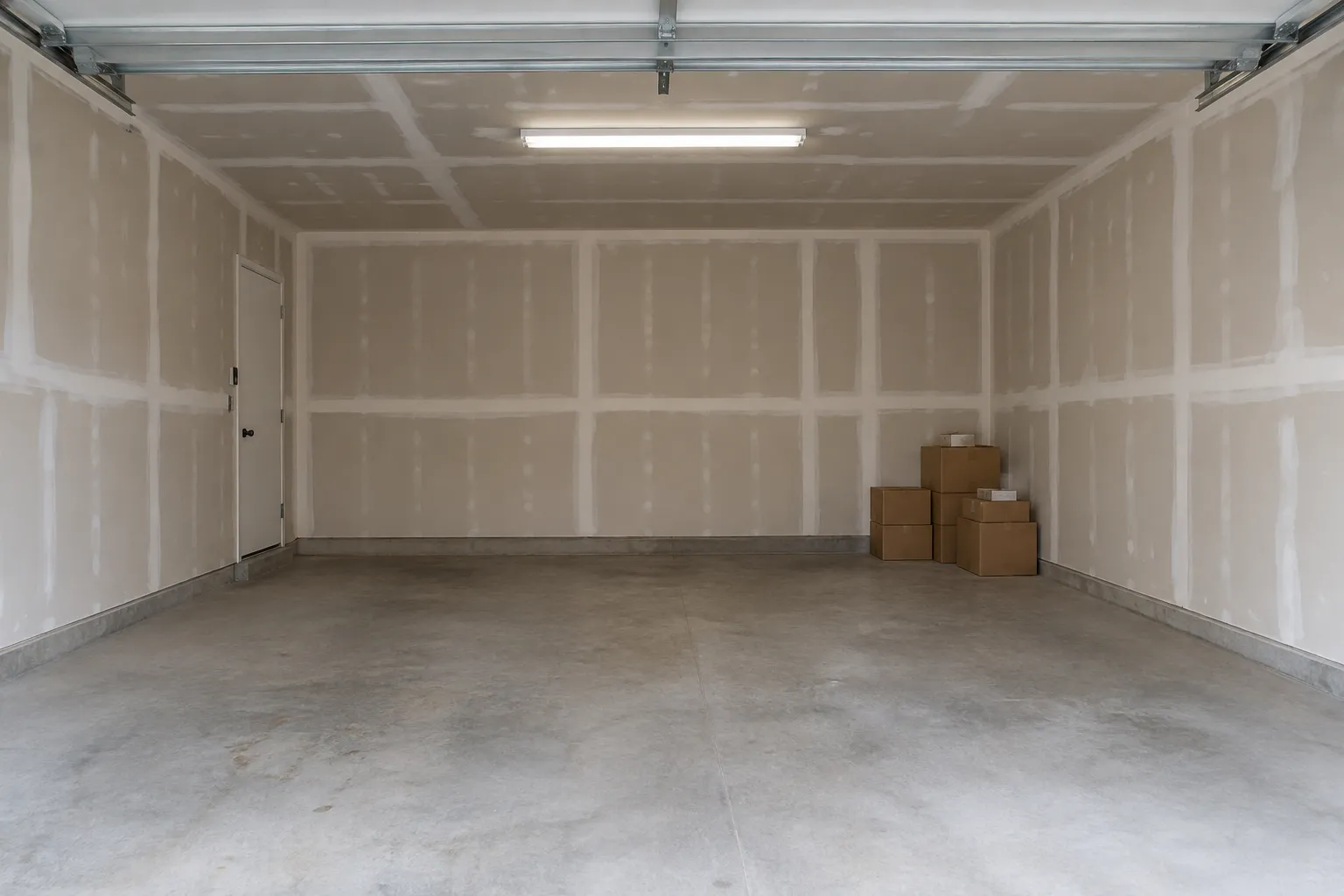
Upload a photo of your room and preview an industrial redesign in seconds, free. For a full guide to the style, read our industrial interior design guide, or try the AI room design tool with other styles.