
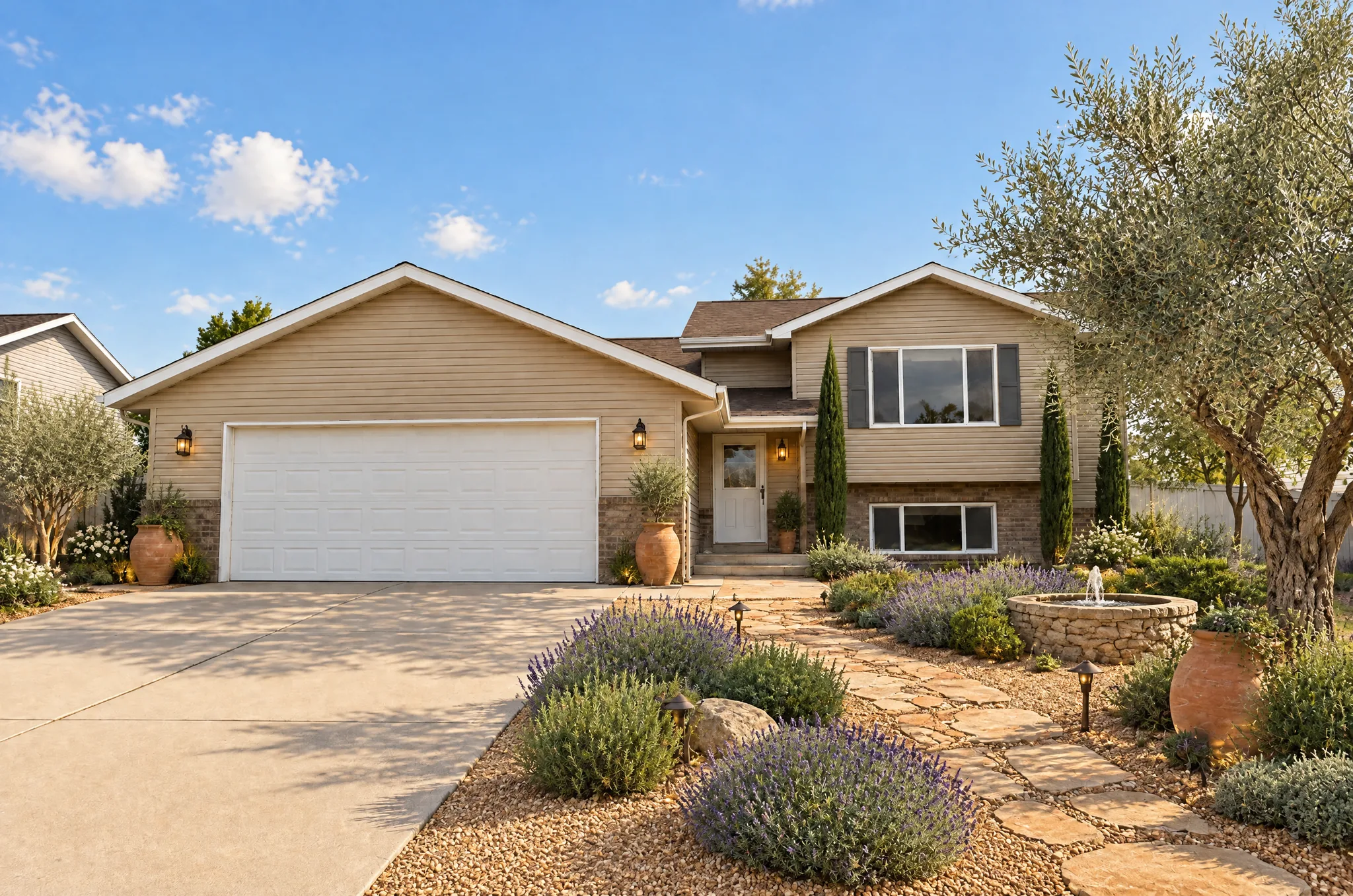
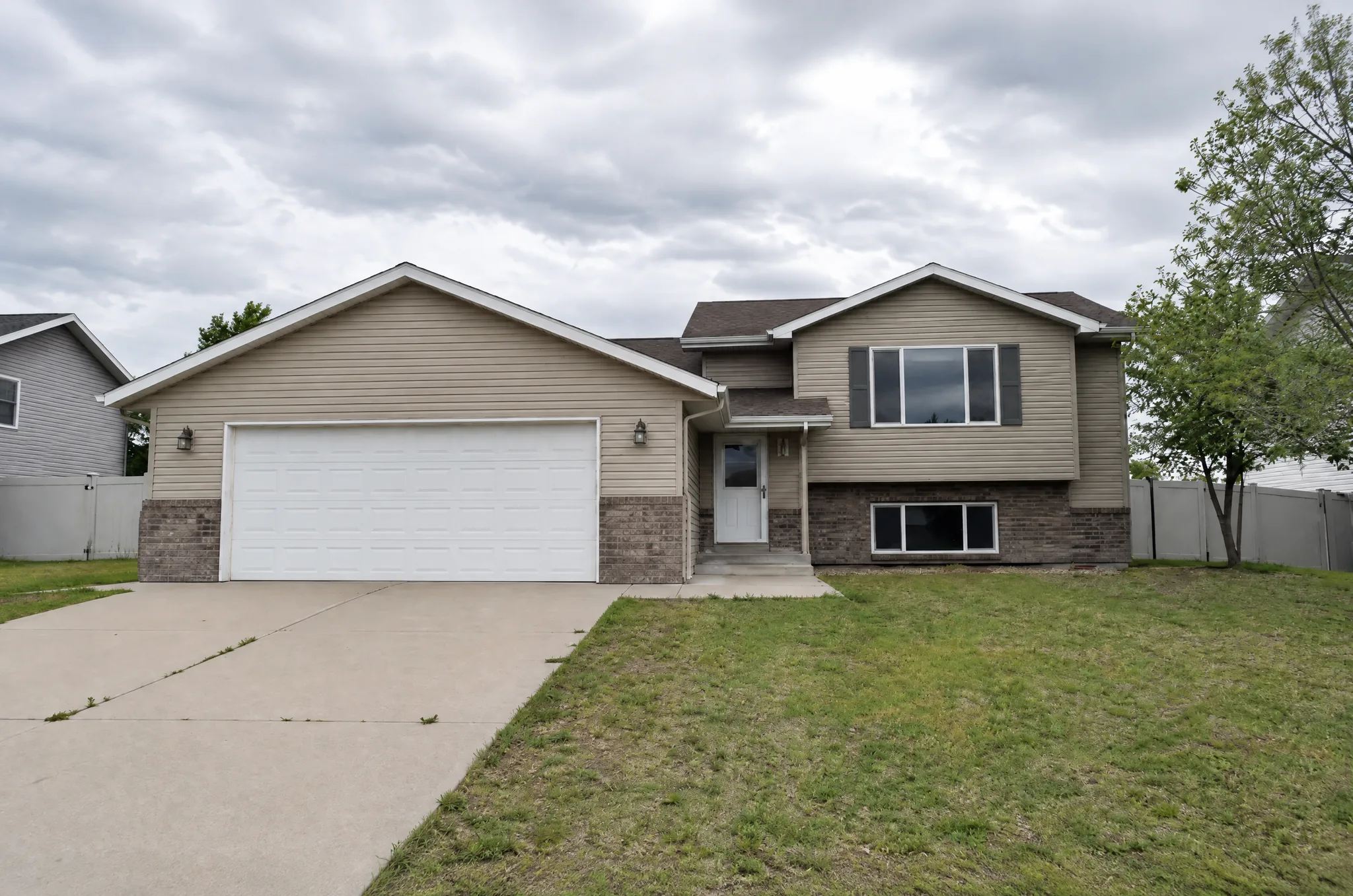
Design Philosophy
Mediterranean garden design draws from centuries of outdoor living tradition across Italy, Spain, Greece, and Provence — regions where the garden has always been an extension of the kitchen, the dining table, and the social life of the household. In Roman villas, peristyle courtyards centered on fountains and shaded colonnades. In Andalusian patios, tiled walls and terracotta pots created intimate rooms open to the sky. In Provençal farmhouses, lavender fields and olive groves blurred the line between cultivation and ornament. These traditions share a common conviction: the garden exists to be lived in, not merely viewed.
The style is water-wise by necessity. The Mediterranean climate cycle — wet, mild winters followed by hot, dry summers — shaped every design decision long before drought tolerance became a global concern. Plants were selected for their ability to thrive on rainfall alone after establishment. Hardscape dominated planting area because stone and tile do not need irrigation. Shade structures — pergolas draped in grape vines, canvas awnings, clipped cypress alleys — were functional responses to summer heat rather than decorative afterthoughts.
The twenty-first century revival of Mediterranean garden design has been driven in part by climate change. Homeowners in California, Australia, and the American Southwest are rediscovering that a garden built for dry summers is not a compromise — it is a smarter baseline. The style has evolved beyond rustic farmhouse clichés into something sharper and more architectural: lime-washed walls paired with cobalt blue accents, olive groves underplanted with structured lavender masses, and outdoor kitchens that rival their indoor counterparts. The result is a garden tradition that feels both ancient and urgently contemporary.
Key Design Elements
- Outdoor Living Rooms — Terraces, courtyards, and pergola-shaded dining areas are designed as primary living spaces, not secondary additions to the house.
- Water-Wise Planting — Drought-tolerant species with silver foliage, deep root systems, and low water demands form the backbone of the planting palette.
- Terracotta and Stone Hardscape — Warm, earthy paving materials — terracotta tiles, natural flagstone, gravel — create ground planes that stay cool underfoot in summer heat.
- Vertical Greenery — Grape vines, bougainvillea, and climbing roses on pergolas and walls provide shade, color, and fragrance without consuming ground area.
- Fountain and Water Basins — Still or gently flowing water features serve as cooling focal points in courtyards, evoking the historic role of water in Mediterranean settlements.
- Wrought Iron and Ceramic Accents — Hand-forged gates, lantern-style lighting, and glazed terracotta pots add craft and warmth to otherwise simple material palettes.
- Aromatic Herb Integration — Rosemary, oregano, and lavender are planted along paths and terraces where brushing past them releases fragrance — function and sensory pleasure combined.
Recommended Plants & Materials
Plants
- Structural Trees: Olive (Olea europaea), Italian cypress (Cupressus sempervirens), fig (Ficus carica)
- Shrubs & Perennials: English lavender (Lavandula angustifolia), rosemary (Salvia rosmarinus), agapanthus (Agapanthus africanus)
- Climbing & Vining: Bougainvillea (Bougainvillea spp.), grape vine (Vitis vinifera), star jasmine (Trachelospermum jasminoides)
- Accent & Edible: Oregano (Origanum vulgare), sage (Salvia officinalis), artichoke (Cynara cardunculus)
- Groundcover: Dymondia (Dymondia margaretae), creeping thyme (Thymus serpyllum), sedum (Sedum spp.)
Materials & Colors
- Paving: Terracotta tiles, natural flagstone, and decomposed granite in warm buff tones
- Wall Finishes: Lime-washed stucco, rough-rendered plaster, and dry-stacked natural stone
- Metalwork: Wrought iron gates, lantern fixtures, and hand-forged pot supports
- Containers: Glazed terracotta pots in earth tones, aged copper planters, and ceramic bowls for water features
- Color Palette: Terracotta, sun-bleached white, olive green, cobalt blue, and soft lavender — with warm gold accents from afternoon light
Best For
Mediterranean garden design suits homeowners who want their outdoor space to function as a genuine living area — for cooking, dining, entertaining, and quiet retreat. It works especially well for:
- Warm, dry-climate properties — USDA zones 8–10 for olive trees (bougainvillea needs zone 9b or warmer) and equivalent Mediterranean, semi-arid, and subtropical regions where drought-tolerant planting thrives
- Entertainment-focused households — outdoor kitchens, long dining tables, and pergola-shaded lounging areas are central to the design, not afterthoughts
- Renovators of older homes — stucco walls, terracotta roofs, and courtyard layouts common in Spanish, Italian, and Southwestern architecture find a natural landscape partner
- Water-conscious gardeners — homeowners seeking to reduce irrigation without sacrificing beauty or sensory richness
The style adapts to cooler climates with thoughtful substitutions: swap olive for hardy fig or dwarf cypress, replace bougainvillea with climbing hydrangea, and use container plantings that can be overwintered indoors. The spatial principles — courtyards, pergolas, aromatic herbs, and stone ground planes — hold across regions even when the specific plant palette shifts.
Budget Guide
| Level | Scope | Estimated Cost (USD) |
|---|---|---|
| DIY Weekend | Gravel courtyard + terracotta pots + lavender/rosemary planting + simple pergola kit | $2,000 – $5,000 |
| Mid-Range | Flagstone terrace + professional planting + drip irrigation + pergola with vine + fountain basin | $8,000 – $18,000 |
| Premium | Designer courtyard with custom stonework, built-in outdoor kitchen, mature olive specimens, and landscape lighting | $20,000 – $45,000 |
Material costs typically account for 40–55% of the budget, with labor at 45–60%. Terracotta tile and natural flagstone are moderately priced; the largest cost variables are pergola construction and any built-in outdoor kitchen or masonry water feature. Mature olive trees carry a premium but provide instant architectural presence that younger specimens cannot match for years.
Maintenance Level
Medium — Most Mediterranean plants are drought-tolerant and need minimal watering once established, but several key species require regular attention. Bougainvillea and grape vines need seasonal pruning to maintain shape and prevent overgrowth on pergolas. Lavender benefits from an annual trim after flowering, removing the spent spikes and up to one-third to one-half of the plant, but never cutting back into bare woody stems, which rarely regrow. Olive trees need occasional structural pruning to maintain their characteristic form.
Seasonal tasks follow a clear rhythm: late-winter pruning of vines and bougainvillea, spring feeding and planting of herbs and annual color, summer deadheading of lavender and monitoring of irrigation on newly established plants, fall cleanup of grape leaves and herb harvest, and winter protection of frost-sensitive specimens in borderline climates.
FAQ
Can I grow an olive tree outside my Mediterranean zone?
Common olive (Olea europaea) is rated for USDA zones 8–10 and needs full sun and well-drained soil. Mature, acclimated trees can survive brief dips to roughly 10–15°F, but Texas A&M's olive program notes that warm spells can strip cold hardiness and a severe freeze can kill the above-ground tree even in zone 8b. In zone 8, choose a sheltered, sunny spot away from frost pockets. In zone 7 or colder, grow it in a container and overwinter it somewhere cool, around 40–50°F.
Why does my lavender turn woody and die out?
English lavender (Lavandula angustifolia) needs at least 6–8 hours of sun, dry fast-draining gravelly or sandy soil, and a neutral to slightly alkaline pH of about 6.5–7.5; heavy clay or soil that stays wet in winter kills it faster than cold does. It is generally hardy in zones 5–8, and Florida extension notes it can decline from summer heat in zone 8. Trim it lightly every year after flowering and never cut into old wood. If your soil drains poorly, plant it in a raised bed or container.
Does bougainvillea work in a cold-winter garden?
Bougainvillea is frost-tender and reliably perennial only in zones 9b–11. In colder zones, grow it in a pot and bring it indoors before nights approach 40–50°F. Prune major structure in late winter or early spring before new growth, since the colorful bracts form on new growth, and skip late-fall pruning because the new shoots would be frosted. Keep it on the dry side: too much water causes root rot and leaf drop and cuts flowering.
What does a flagstone terrace cost?
HomeGuide lists flagstone patios at about $15–$32 per square foot installed dry-laid, $20–$42 mortar-set, and $23–$45 concrete-set (2026 prices, national averages). Dry-laid on a compacted gravel and sand base is cheaper and tolerates frost movement better. In freeze-thaw climates choose dense, low-absorption stone such as bluestone, slate, or granite, because porous sandstone and some limestone can spall.
Sources
Plant and cost facts were checked against these references (October 2026). Costs are national averages and vary by region and site conditions.
- Missouri Botanical Garden — Olea europaea (zones 8–10, full sun, drainage)
- Texas A&M AgriLife — Olives: Texas fruit and nut production (freeze risk)
- LSU AgCenter — Olive trees (hardiness 10–15°F, zones 8–10)
- Utah State University Extension — English lavender in the garden
- Illinois Extension — Lavender: a must-have plant (zones 5–8, pruning)
- University of Florida IFAS — Lavandula angustifolia fact sheet
- NC State Extension — Bougainvillea (zones 9b–10)
- University of Florida EDIS — Warm climate production guidelines for bougainvillea
- HomeGuide — Flagstone patio cost (2026 prices)
- Bovee's — Flagstone pros and cons (freeze-thaw stone selection)
Try It Now
Upload your photo and see your space transformed into Mediterranean Garden style in seconds — free to try.