
Design Philosophy
Japandi is the meeting point of two design cultures that were already close in spirit. Japan has long valued restraint, craftsmanship and the beauty of imperfection, a way of seeing known as wabi-sabi. Scandinavia, especially Denmark, developed a tradition of warm, functional design built around the idea of hygge. When Japan opened to Western trade in the nineteenth century, Nordic designers took notice, and the two traditions have been influencing each other ever since.
The modern Japandi label took off in the 2010s as people looked for interiors that were calm but not cold. Where strict minimalism can feel austere and Scandinavian design can lean pale and light, Japandi sits in between: a little darker, a little earthier, and more focused on handmade objects. It asks for fewer things, but expects each to be well made and thoughtfully placed.
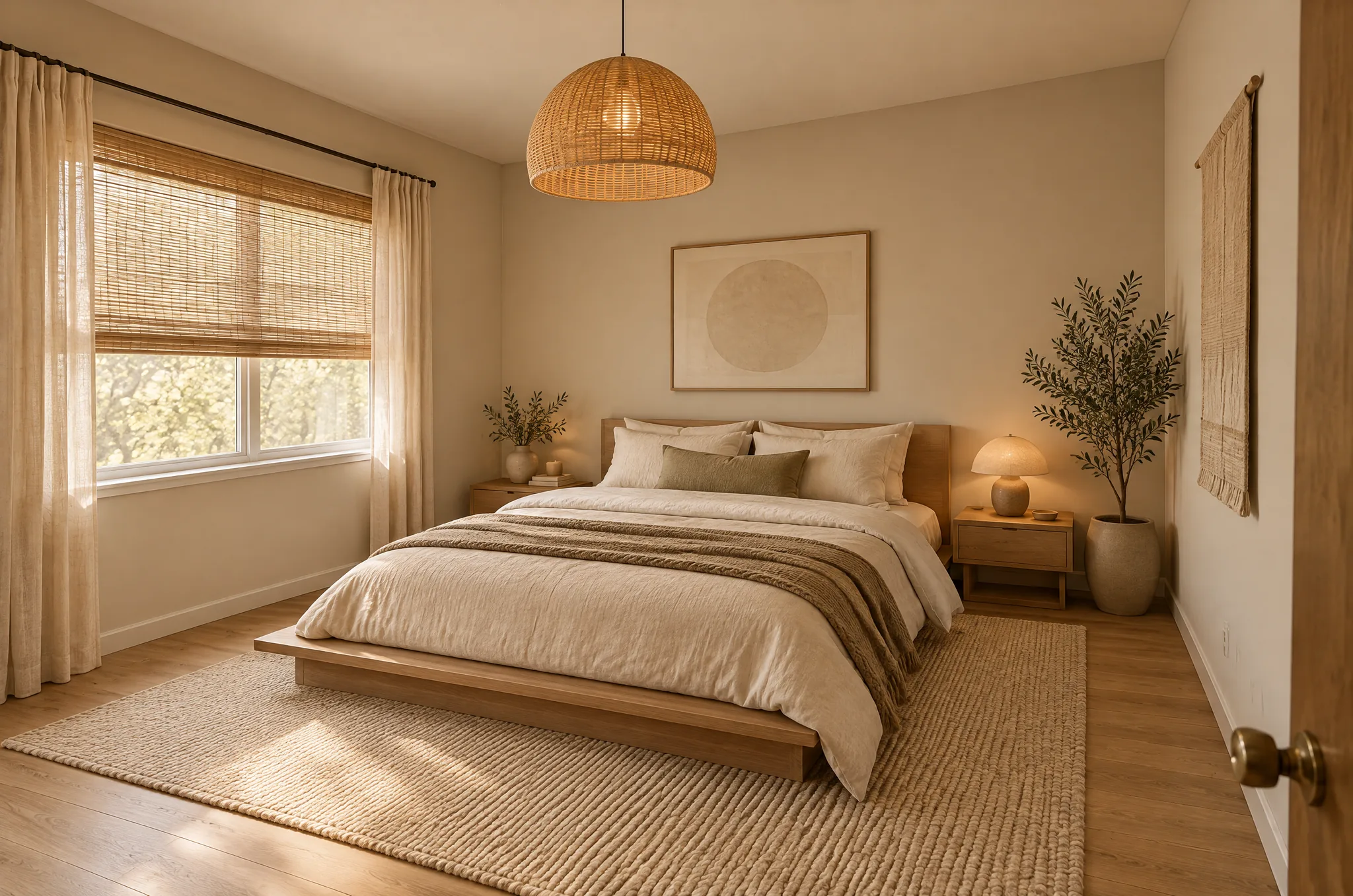
The mood is quiet and grounded. A Japandi room has low furniture, soft natural light, textured walls and a limited palette of earth tones. It rewards slow living: a ceramic bowl on a wooden shelf, a single branch in a vase, a linen throw folded on a bench. If a room makes you want to slow down and breathe, Japandi is doing its job.
Key Design Elements
- Low-slung furniture — Platform beds, low sofas and floor-level seating borrow from Japanese living.
- Natural, earthy palette — Warm greige, clay, sand, charcoal and muted green, rather than bright white.
- Handmade, imperfect objects — Hand-thrown ceramics, woven baskets and lightly irregular finishes.
- Craftsmanship — Visible joinery, solid wood and well-made details rather than mass-produced pieces.
- Organic textures — Limewash or plaster walls, rattan, linen, wool and paper.
- Functional simplicity — Every item has a purpose, with ample storage to keep surfaces clear.
- Soft, layered lighting — Paper lanterns, warm lamps and diffused daylight instead of harsh overhead light.
Recommended Furniture & Decor
Furniture & Decor
- A low-profile linen or wool sofa with simple, slender wooden legs.
- A solid wood coffee table in oak or ash, ideally with a visible grain and soft edges.
- A platform bed in light timber or dark walnut with minimal detail.
- Paper or rice-paper lanterns and ceramic table lamps with warm bulbs.
- Hand-thrown ceramics and woven baskets displayed in small, intentional groups.
- A simple branch arrangement or a single bonsai instead of crowded greenery.
- A bench in the entry for sitting and removing shoes, borrowing the Japanese genkan habit.
Materials & Colors
- Walls in warm white, limewash, soft clay or plaster.
- Woods in oak, ash, walnut and bamboo, with matte or oiled finishes.
- Textiles in linen, cotton, wool and hemp, in neutral and earth tones.
- Accents in charcoal, black iron and muted green, used sparingly.
- Stone and ceramic with matte glazes, in stone grey, taupe and off-white.
Room-by-Room
- Living room — Low seating, a solid wood table, a woven rug and indirect lighting. Our Japandi living room ideas show how to balance minimalism with warmth.
- Bedroom — A low bed, linen bedding in earth tones and a single piece of art. Explore Japandi bedroom ideas.
- Bathroom — Wood vanity, matte tile, stone sink and soft lighting create a spa-like space. See Japandi bathroom ideas.
- Kitchen and dining — Light wood cabinetry, a simple table and handmade tableware.
- Entry — A bench, a wall hook and a basket, with a simple branch in a vase.
Common Mistakes
- Treating it as plain beige — Without contrast, the room feels flat. Add dark accents in charcoal or walnut and varied textures.
- Cold minimalism — Skipping warm lighting and soft textiles loses the Scandinavian half of the style.
- Too many "Asian" clichés — Buddha statues and bamboo prints are not Japandi. Choose quiet craft and natural forms.
- Mass-produced imitations — Poor-quality "wood-look" furniture undermines the philosophy. Buy fewer, better pieces.
Best For
- Small and medium homes that benefit from a calm, uncluttered look.
- People who want warmth with minimal visual noise.
- Anyone drawn to handmade objects and natural materials.
- Stressful, busy lifestyles that need a restful home.
- Homes with plenty of daylight, though warm lighting supports it in darker rooms.
If you prefer a brighter, lighter palette, try Scandinavian. If you want something cleaner and more architectural, modern minimalist may suit you better.
Budget Guide
Typical ranges for a single bedroom or living room of around 200 square feet. Handmade and solid wood pieces drive prices up.
| Level | Scope | Estimated Cost (USD) |
|---|---|---|
| DIY Refresh | Paint, linen textiles, lamps, a few ceramics and plants | $400 – $1,500 |
| Mid-Range | Low sofa or bed, solid wood table, lighting, rug and decor | $4,000 – $10,000 |
| Premium | Limewash walls, custom joinery, artisan ceramics, designer furniture | $12,000 – $30,000+ |
Cost-saving tips: Prioritize one well-made wooden piece, such as a table or bed, then build around it. Local ceramic studios and craft fairs offer handmade objects at fair prices.
Maintenance Level
Low — Fewer objects mean less to clean, and natural materials are forgiving when they age.
- Weekly — Dust surfaces, vacuum rugs and wipe wooden furniture.
- Monthly — Launder linen, oil wooden surfaces as needed and refresh any simple arrangements.
- Seasonal — Rotate decor, air out textiles and review items to keep the space edited.
Try It Now
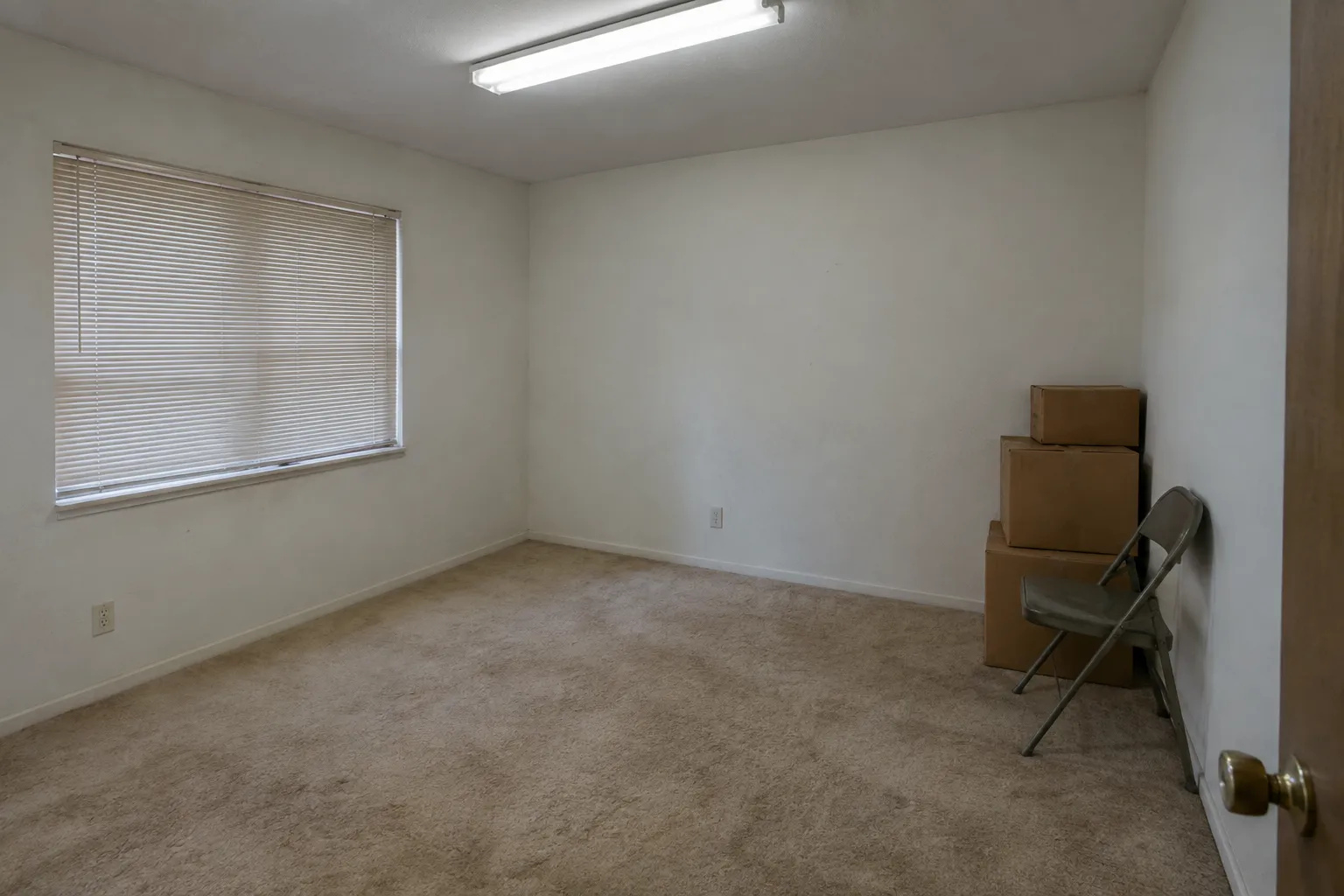
Upload a photo of your room and preview a Japandi redesign in seconds, free. For a full guide to the philosophy, palette and furniture, read our Japandi interior design guide, or try the AI room design tool with other styles.