
Design Philosophy
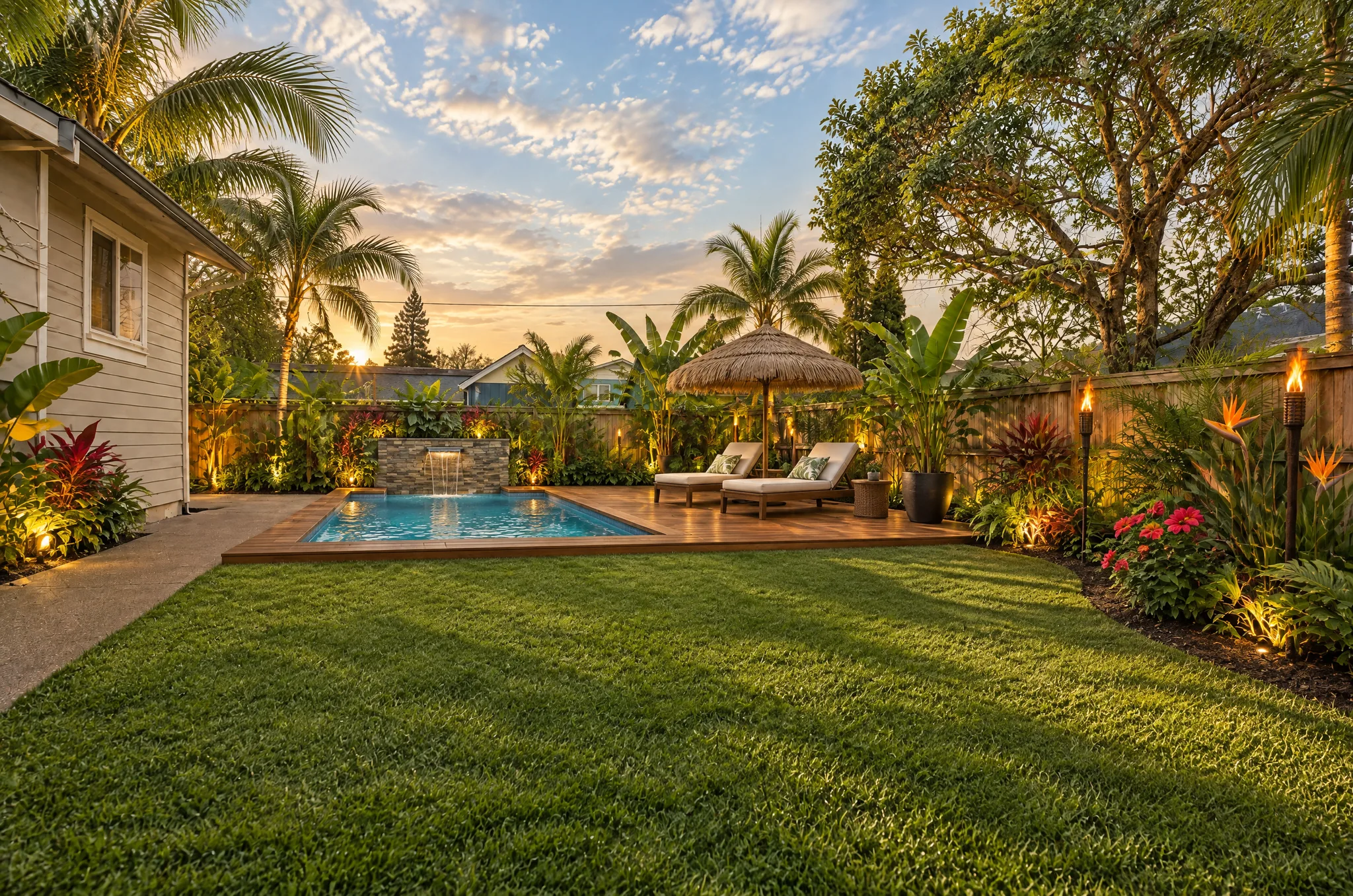
Tropical resort landscape design draws from the immersive outdoor environments of Bali, Hawaii, the Caribbean, and Southeast Asia — places where landscape architecture is not a backdrop to vacation but the vacation itself. In these regions, resort designers have spent decades refining a formula that overwhelms the senses in the best possible way: layered canopy heights that create dappled shade, bold leaf textures at every scale from ground-hugging bromeliads to soaring palms, fragrance drifting from frangipani and gardenia, and the constant sound of water moving through fountains, cascades, and infinity pools. The goal is not merely to look tropical but to feel transported — to step outside your back door and enter a different climate, a different pace, a different state of mind.
The style's philosophical roots lie in the concept of terroir applied to landscape — creating a sense of place so complete that the garden erases its geographic context. A well-executed tropical resort garden in Scottsdale or Miami does not apologize for its location; it creates its own microclimate through plant selection, shade structure, and water features. Balinese design contributes the principle of sacred spatial organization — outdoor rooms defined by hedges, walls, and water channels that guide movement and create moments of discovery. Hawaiian resort design contributes the emphasis on indoor-outdoor flow, where lanais, plunge pools, and dining pavilions dissolve the boundary between architecture and landscape.
The twenty-first century has democratized access to tropical landscape aesthetics. Improved cold-hardy palm cultivars, container culture for frost-sensitive specimens, and the global availability of tropical plants through specialty nurseries mean that elements of the style can be adapted far beyond USDA zone 10. However, the full immersive experience — towering palms, year-round lushness, outdoor showers beneath flowering trees — remains most authentic and least effortful in frost-free climates (USDA zones 10–11). Zone 9 can carry much of the palette but needs frost cloth or containers for tender plants, and coconut palms specifically are only recommended in zones 10b–11. In cooler regions, the style becomes a curated collection rather than a self-sustaining ecosystem, requiring winter protection, greenhouse overwintering, and realistic expectations about seasonal dormancy.
Key Design Elements
- Layered Vertical Canopy — Tall palms and trees, mid-story shrubs, and ground-level planting create three distinct height layers that mimic tropical forest structure.
- Bold Leaf Texture Contrast — Oversized leaves (elephant ear, monstera, traveler's palm) paired with fine-textured ferns and grasses for dramatic visual tension.
- Water as Sensory Anchor — Pools, fountains, reflecting ponds, or even simple stone basins provide sound, movement, and cooling evaporation.
- Outdoor Living Pavilions — Thatched or timber-roofed structures for dining, lounging, and bathing that extend habitable space into the garden.
- Hardwood Decking & Stone Terraces — Warm-toned decking and natural stone create ground planes that feel resort-grade underfoot.
- Tropical Flower Accents — Strategic placement of hibiscus, bird of paradise, and heliconia for periodic bursts of saturated color against the green backdrop.
- Ambient Lighting Design — Uplighting on palms, path lighting through planting, and lantern-style fixtures that transform the garden after dark.
- Fragrance Integration — Plumeria, gardenia, and jasmine positioned near seating areas and pathways where evening air carries their scent.
Recommended Plants & Materials
Plants
- Canopy & Palms: Traveler's palm (Ravenala madagascariensis), coconut palm (Cocos nucifera — UF/IFAS recommends it only for zones 10b–11), giant timber bamboo (Bambusa oldhamii) — vertical architecture that defines the tropical ceiling
- Cold-Hardy Palm Stand-In: Chinese windmill palm (Trachycarpus fortunei, zones 7b–11) gives a tropical silhouette in cooler yards; Duke Gardens cites tolerance to temperatures as low as −10°F
- Statement Foliage: Bird of paradise (Strelitzia reginae, hardy in zones 10–11 and damaged by hard frost), elephant ear (Colocasia esculenta 'Black Magic', zones 8–10 — but wild taro is a Category I invasive in Florida, so keep it in pots away from water there or substitute a non-invasive bold-leaf plant), monstera (Monstera deliciosa) — bold leaves that create instant tropical drama
- Flowering Accents: Plumeria (Plumeria spp.), hibiscus (Hibiscus rosa-sinensis), heliconia (Heliconia spp.) — saturated tropical blooms on structural plants
- Epiphytic & Understory: Bromeliads (Aechmea, Neoregelia), gingers (Alpinia zerumbet) — color and texture at ground and mid-level without deep root competition
- Screening & Texture: Areca palm (Dypsis lutescens), fishtail palm (Caryota mitis) — clumping palms for privacy hedges and soft boundaries
- Groundcover & Edge: Mondo grass (Ophiopogon japonicus), creeping fig (Ficus pumila) — low green carpets that define paths and terrace edges
- Fragrance: Frangipani (Plumeria rubra), gardenia (Gardenia jasminoides) — positioned near outdoor living areas for evening scent
- Container Specimens: Croton (Codiaeum variegatum), cordyline (Cordyline fruticosa) — portable color for frost-prone climates where in-ground tropicals cannot survive winter
Materials & Colors
- Decking: Cumaru or Ipe hardwood decking with natural oil finish — dense, rot-resistant tropical hardwoods that age to silver-gray
- Paving: Natural bluestone, travertine, or coral stone for terraces, pool surrounds, and stepping paths
- Structures: Thatched palapa roofing, teak or mahogany timber for pergolas and pavilions, woven rattan for furniture and screens
- Water Features: Basalt column fountains, infinity-edge pool details, and natural rock cascades with recirculating pumps
- Color Palette: Emerald green, warm coral, ocean blue, natural wood tones, and tropical flower pops in orange, magenta, and golden yellow
Best For
Tropical resort landscape design suits homeowners who want their outdoor space to function as a daily escape — a private destination that replaces the need to book flights. It works especially well for:
- Warm-climate properties — USDA zones 10–11, where tender palms and bird of paradise stay outdoors year-round; in zone 9, plan on frost cloth and containers for frost-sensitive plants
- Pool owners and outdoor entertainers — the style's emphasis on outdoor living pavilions, ambient lighting, and sensory richness pairs naturally with pool-centric lifestyles
- Vacation rental and hospitality properties — tropical resort landscaping delivers immediate guest impact and supports premium nightly rates
- Homeowners willing to invest in irrigation — lush tropical planting requires consistent moisture; drip irrigation and smart controllers are essential infrastructure
In cooler climates, the style works as a focused tropical courtyard or sun-room-adjacent garden where frost-sensitive plants can be containerized and overwintered. The spatial principles — layered planting, water features, outdoor rooms, and bold texture — transfer even when the full plant palette cannot. Realistic expectations about winter dormancy and protection costs are essential for success outside the tropics.
Budget Guide
| Level | Scope | Estimated Cost (USD) |
|---|---|---|
| DIY | Container tropical collection + gravel terrace + bamboo screening + simple fountain basin + outdoor furniture | $4,000 – $8,000 |
| Mid-Range | Ipe or cumaru decking + professional tropical planting + drip irrigation + stone terrace + landscape lighting | $15,000 – $30,000 |
| Premium | Designer resort landscape with pool integration, mature palm specimens, custom pavilion, water cascade, and full lighting design | $40,000 – $80,000 |
Tropical hardwood decking delivers authentic resort texture, but check the numbers: HomeGuide puts Ipe at about $50–$70 per square foot installed, in the same range as composite ($40–$80), while cumaru is cheaper — Ipe Woods USA estimates $20–$45 per square foot installed. Mature palm specimens are the largest plant investment: an 8–10 foot coconut palm is listed at about $950 delivered in Broward County, Florida (installation extra), and about $2,125 delivered and planted by a Cape Coral nursery (retailer prices, 2026). In non-tropical climates, also budget for frost cloth, container moves, and replacing cold-damaged specimens.
Maintenance Level
High — Tropical resort gardens are living environments that demand consistent attention to maintain their lush, immersive quality. Regular watering is non-negotiable — most tropical plants require deep, frequent irrigation, especially during establishment and summer heat. Monthly feeding with balanced fertilizer keeps the rapid growth rate that defines the style's visual density. Weekly leaf clean-up prevents debris accumulation that can harbor pests and diminish the polished resort appearance.
Seasonal tasks include: spring assessment and replacement of frost-damaged plants, summer pest monitoring (scale insects and mealybugs are common on palms), fall reduction of irrigation as growth slows, and winter frost protection with frost cloth, mulch, and container relocation for borderline-hardy specimens. Pool-adjacent plantings require additional attention to prevent leaf drop into filtration systems. The reward for this investment is a garden that feels like a permanent vacation — lush, fragrant, and alive with sound and movement year-round in suitable climates.
FAQ
Can I grow a coconut palm outside Florida's warmest zones?
UF/IFAS recommends coconut palms (Cocos nucifera) only for USDA zones 10b–11 because they are not suited to freezing temperatures; chilling injury can show up even in the 40s°F, and a freeze at 32°F can kill or badly injure the palm. In zone 10a the best chance is a warm, coastal microclimate against a house. Below that, use a cold-hardy palm such as Chinese windmill palm (Trachycarpus fortunei, zones 7b–11), which Duke Gardens cites as tolerating temperatures as low as −10°F.
Will bird of paradise survive a frost?
Strelitzia reginae is rated for zones 10–11 by UF/IFAS and 10–12 by Missouri Botanical Garden. It tolerates a brief dip to about 24–28°F, but frost damages leaves, flower buds, and flowers. In zone 9, cover the clump with frost cloth (not plastic) and mulch the base; in colder zones, grow it in a pot and bring it indoors before freezing weather.
Is elephant ear invasive?
In Florida, yes: UF/IFAS lists wild taro (Colocasia esculenta) as a Category I invasive and "invasive — no uses" in every part of the state, and it is not recommended by UF/IFAS. Missouri Botanical Garden lists it for zones 8–10 and notes the tubers must be lifted and stored dry above 45°F in colder climates. If you garden near waterways in the Southeast, pick another bold-leaf plant.
How much does Ipe or cumaru decking cost?
HomeGuide lists Ipe at about $50–$70 per square foot installed (2026), roughly the same bracket as composite. Ipe Woods USA estimates cumaru at $20–$45 per square foot installed, with materials alone at $7–$14. Prices are national figures from decking retailers and cost guides; local labor rates move them considerably.
Sources
Plant and cost facts were checked against these references (October 2026). Costs are retailer or national-average figures and vary by region and site conditions.
- UF/IFAS Gardening Solutions — Coconut palm (zones 10B–11)
- UF/IFAS Charlotte County — Can you grow a coconut palm? (cold injury, microclimates)
- UF/IFAS — Strelitzia reginae bird of paradise (zones 10–11)
- Missouri Botanical Garden — Strelitzia reginae (zones 10–12, frost damage)
- UF/IFAS Center for Aquatic and Invasive Plants — Colocasia esculenta (Category I invasive)
- Missouri Botanical Garden — Colocasia esculenta (zones 8–10, tuber storage)
- NC State Extension — Trachycarpus fortunei (windmill palm)
- Duke Gardens — Chinese windmill palm (cold tolerance)
- HomeGuide — Ipe decking cost (2026)
- Ipe Woods USA — Cumaru deck cost per square foot installed (2026)
- Palm & Plant Co — Palm tree prices, delivered and planted (retailer price list)
- Angler Lawn & Landscape — Coconut palm 8–10 ft, delivered (retailer listing)
Try It Now
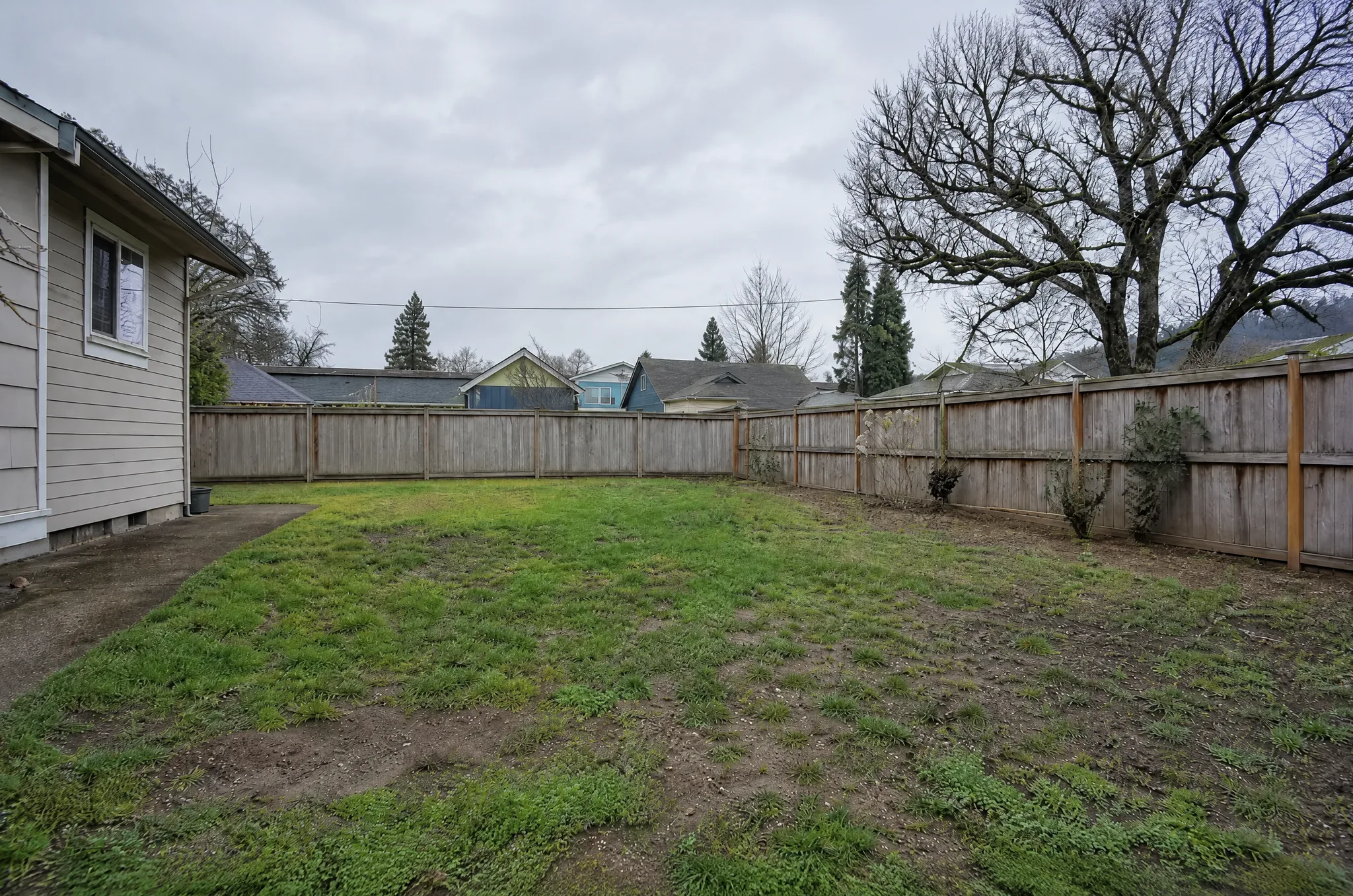
Upload your photo and see your space transformed into Tropical Resort style in seconds — free to try.