
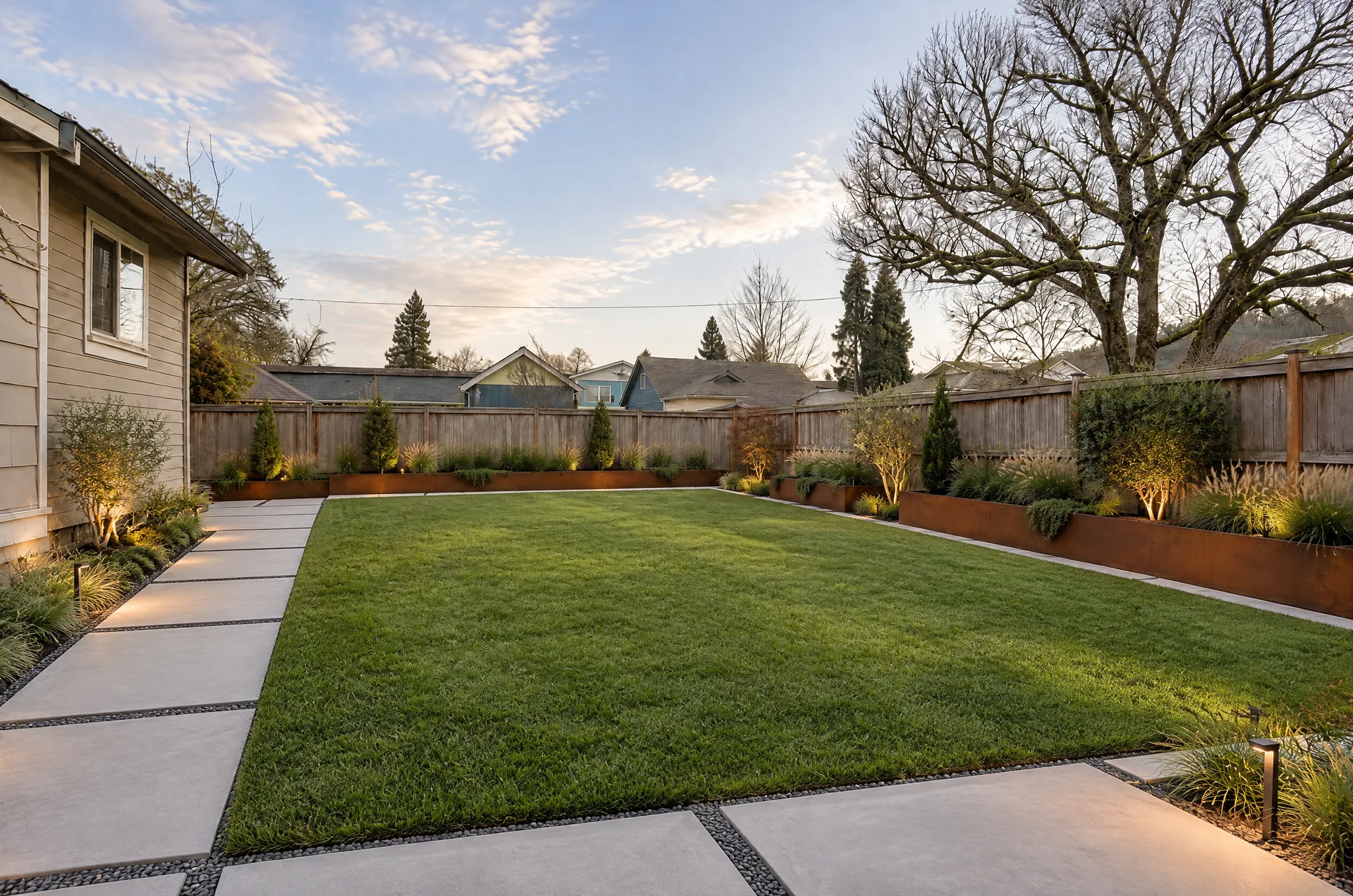
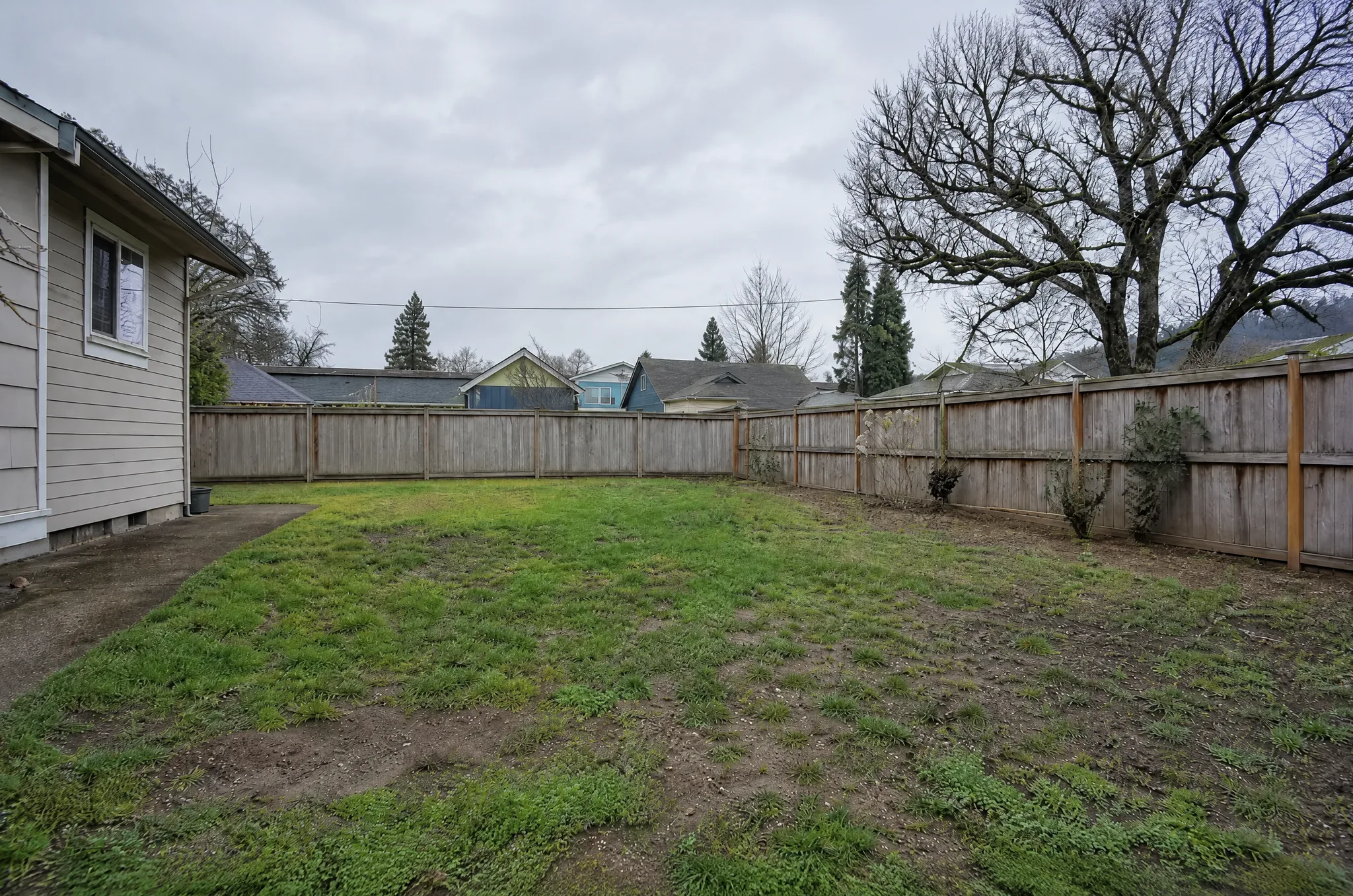
Design Philosophy
Modern minimalist landscape design grew out of early twentieth-century architecture, when designers began treating outdoor rooms with the same rigor they applied to buildings. Mies van der Rohe's famous dictum — "less is more" — did not stay confined to glass and steel; it reshaped how we think about gardens, patios, and courtyards. Instead of filling every corner with ornament, the minimalist yard asks a simpler question: what is essential?
Luis Barragán brought a different but equally influential voice. His Mexican gardens paired stark geometry with saturated color walls and long sight lines, proving that minimalism could feel warm rather than cold. Across the Pacific, Japanese kare-sansui (dry landscape) gardens had already mastered the art of suggestion — raked gravel standing in for water, a single stone suggesting a mountain. These traditions converged into a shared belief: restraint creates atmosphere.
By 2026, the style has softened into what many designers call "warm minimalism." Harsh concrete has given way to honey-toned limestone and sun-bleached timber. Cool grays are balanced with buff gravel and rusted corten steel. The goal is still clarity — but clarity with texture, warmth, and a sense of place rather than a showroom floor.
Key Design Elements
- Intentional Negative Space — Roughly 60–70% of the plan is hardscape or open ground. Empty areas are not wasted; they frame individual plants and make small yards feel generous.
- Geometric Precision — Straight lines, rectangular beds, and right-angle corners signal order. Crisp steel edging keeps gravel, paving, and planting zones from bleeding together.
- Restrained Material Palette — Limit yourself to two or three materials across the entire project: large-format pavers, decomposed granite, and corten steel is a classic combination that reads as cohesive from every angle.
- Mass Planting — Instead of a dozen species in small clusters, repeat three to five plants in monoculture drifts. Ornamental grasses like Stipa tenuissima, clipped boxwood hedges, and low Sedum mats create rhythm without visual noise.
- Clean Transitions — Where materials meet — paver to gravel, gravel to planting bed — use flush steel edging or recessed drainage channels so the junction disappears rather than interrupts the eye.
- Architectural Specimens — One multi-stem tree serves as the vertical anchor: a Japanese maple with layered branches, a gnarled olive, or a serviceberry with spring blossom and fall color.
- Still Water — When water appears, it is calm: a reflecting rectangle mirroring the sky, or a narrow rill running along a wall. Ornate fountains and splashing features belong to other styles.
Recommended Plants & Materials
Plants
- Structural Trees: Multi-stem amelanchier (serviceberry), Japanese maple (Acer palmatum), olive (Olea europaea)
- Evergreen Mass: Boxwood (Buxus), Japanese holly (Ilex crenata), Portuguese laurel (Prunus lusitanica)
- Ornamental Grasses: Stipa tenuissima, Miscanthus sinensis, Hakonechloa macra
- Groundcover: Pachysandra, Epimedium, low Sedum varieties
- Accent: White Agapanthus, Echinacea, Salvia nemorosa
Materials & Colors
- Paving: Large-format concrete pavers (24 inches or wider), sawn limestone, porcelain pavers with minimal grout lines
- Ground Cover: Decomposed granite in warm buff tones, angular gravel (10–14 mm, single color)
- Edging: Corten steel that develops a warm rust patina over time, or flush-set aluminum for a cooler look
- Accent: Board-formed concrete retaining walls, hardwood or composite timber decking
- Color Palette: Warm neutrals — buff, honey, sand, charcoal — avoiding stark whites that glare in direct sun
Best For
Modern minimalist landscape design suits homeowners who value calm, uncluttered outdoor spaces. It works especially well for:
- Small to medium urban courtyards — the fewer elements you include, the larger the space feels
- Contemporary architecture — clean building lines find a natural partner in geometric planting and restrained materials
- Busy professionals — a low-maintenance, high-impact yard that looks intentional even when you cannot spend weekends gardening
- Properties with strong existing hardscape — a unified material palette can tie together patios, walkways, and retaining walls that were added over the years
The style adapts to any climate. Swap Mediterranean olives and lavender for cold-hardy natives in northern regions, and the underlying principles — negative space, mass planting, material restraint — hold firm.
Budget Guide
| Level | Scope | Estimated Cost (USD) |
|---|---|---|
| DIY Weekend | Gravel + single mass-planted grass + one specimen tree + corten planter | $2,000 – $4,000 |
| Mid-Range | Professional paving + steel edging + irrigation + 5-plant palette | $8,000 – $25,000 |
| Premium | Architect-designed with poured concrete, water feature, lighting | $25,000 – $60,000+ |
Material costs typically account for 35–55% of the budget, with labor at 45–65%. You can save meaningfully by handling site prep yourself — grading, weed barrier, and base compaction — while investing in one lasting focal material such as natural stone or corten steel that defines the entire composition.
Maintenance Level
Low — This is one of the lowest-maintenance landscape styles available. Gravel and hardscape eliminate weekly mowing. Mass-planted ornamental grasses need a single cutback in early spring. Clipped evergreens require shaping two or three times per year to hold their geometry. Steel edging prevents gravel from migrating into beds. Drip irrigation installed beneath gravel keeps watering invisible and efficient.
Seasonal tasks break down simply: spring grass cutback and evergreen shaping, summer weed seedling removal from gravel surfaces, fall perennial cleanup, and winter structural enjoyment when deciduous plants reveal the bones of the design.
Try It Now
Upload your photo and see your space transformed into Modern Minimalist style in seconds — free to try.