Curb appeal is not just about aesthetics. It directly affects your property value, neighborhood relationships, and daily experience of coming home. Studies consistently show that strategic landscaping can boost a home's perceived value by 5 to 12 percent, making front yard improvements one of the highest-ROI home upgrades available.
Here are 10 proven techniques that landscape professionals use to transform ordinary front yards into showstoppers.
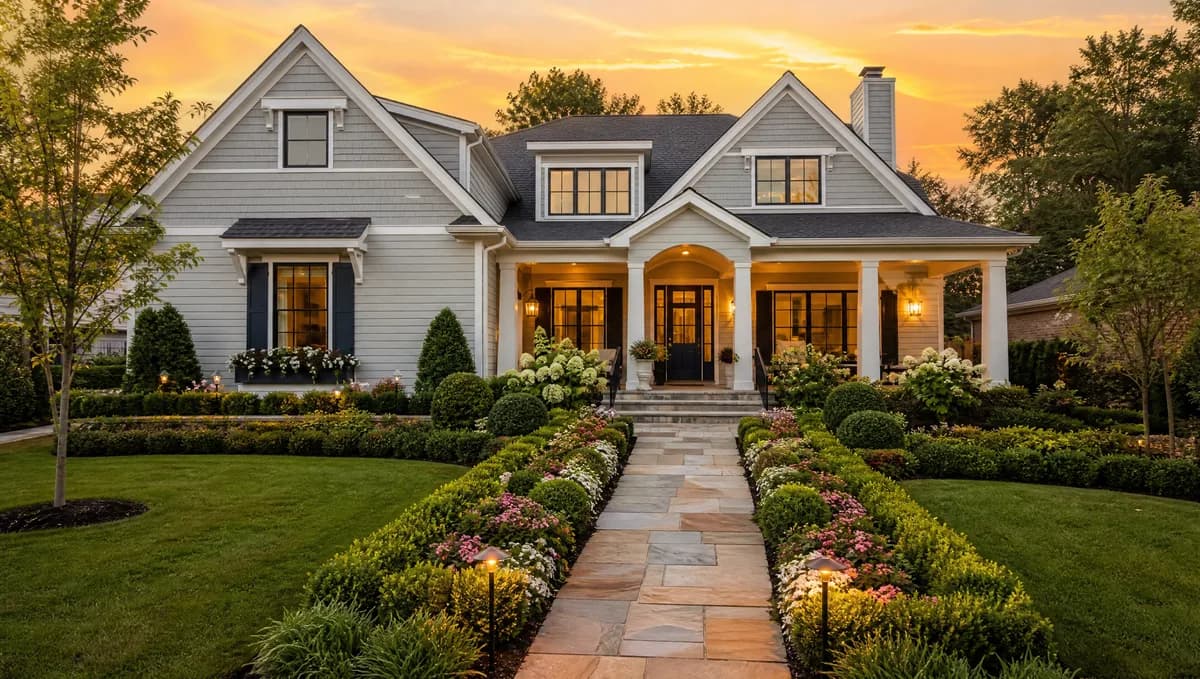
1. Frame the Entry with a Clear Pathway
The path from street to front door is the first interaction visitors have with your home. A well-designed walkway communicates care and intention:
- Width matters: Aim for at least 4 feet wide for a welcoming feel. Narrow paths feel pinched and unwelcoming.
- Material selection: Natural stone, brick pavers, and stamped concrete all outperform basic concrete in perceived value.
- Lighting integration: Low-voltage path lights every 6 to 8 feet guide visitors and add evening drama.
- Border treatment: Edging with low plantings or ground cover softens the transition between path and garden.
A gentle curve in the walkway, even in a small front yard, creates visual interest and slows the pace, making the approach feel more intentional.
2. Plant a Specimen Tree
A single well-chosen tree can define an entire front yard. The right specimen provides:
- Structural presence that anchors the composition year-round
- Seasonal interest through flowers, fruit, fall color, or winter bark
- Scale reference that makes the house feel proportional and settled
- Shade that reduces cooling costs and creates comfortable outdoor zones
Top specimen tree choices for front yards include Japanese maples (compact lots), crepe myrtles (warm climates), ornamental pears (fall color), and river birch (year-round bark interest).
3. Create Layered Foundation Planting
Foundation planting -- the beds directly against the house -- is the single most impactful element of front yard design. The professional approach uses three layers:
Back layer (against the house): Tall evergreen shrubs that screen the foundation and provide year-round structure. Choose plants that mature at windowsill height, not above windows.
Middle layer: Mid-height flowering shrubs and ornamental grasses that provide seasonal color and textural contrast.
Front layer: Low perennials, ground cover, or compact shrubs that spill gently onto the pathway or lawn edge.
This layered approach creates depth and visual complexity that flat, single-layer planting cannot achieve.
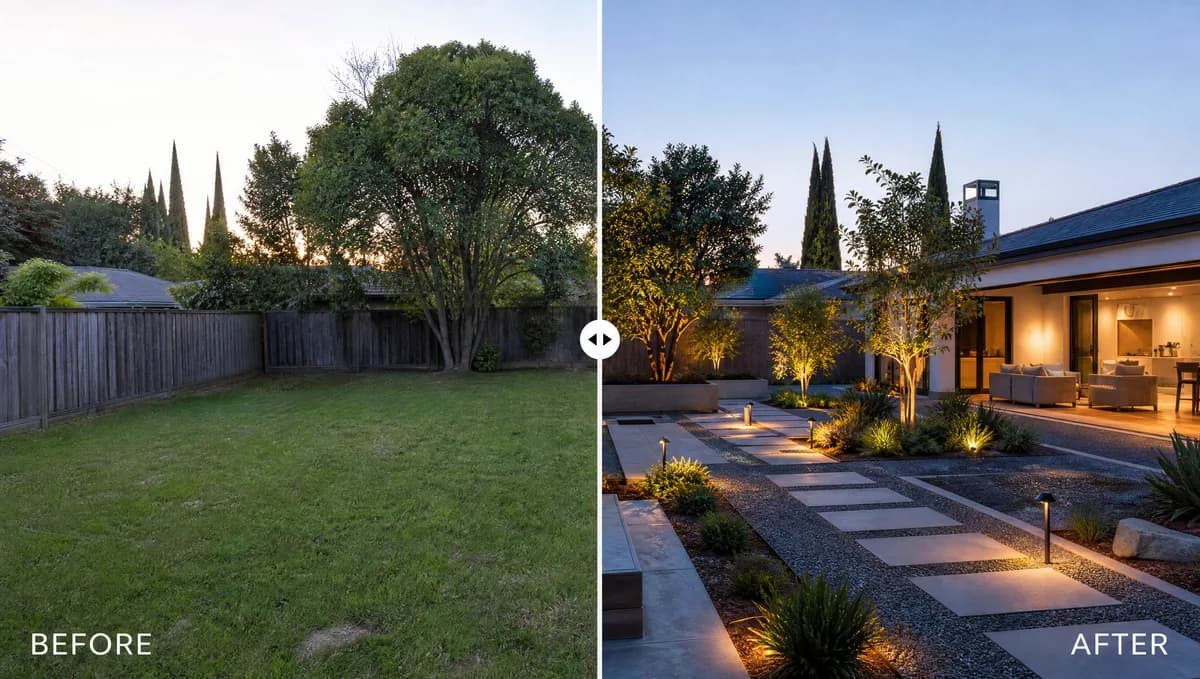
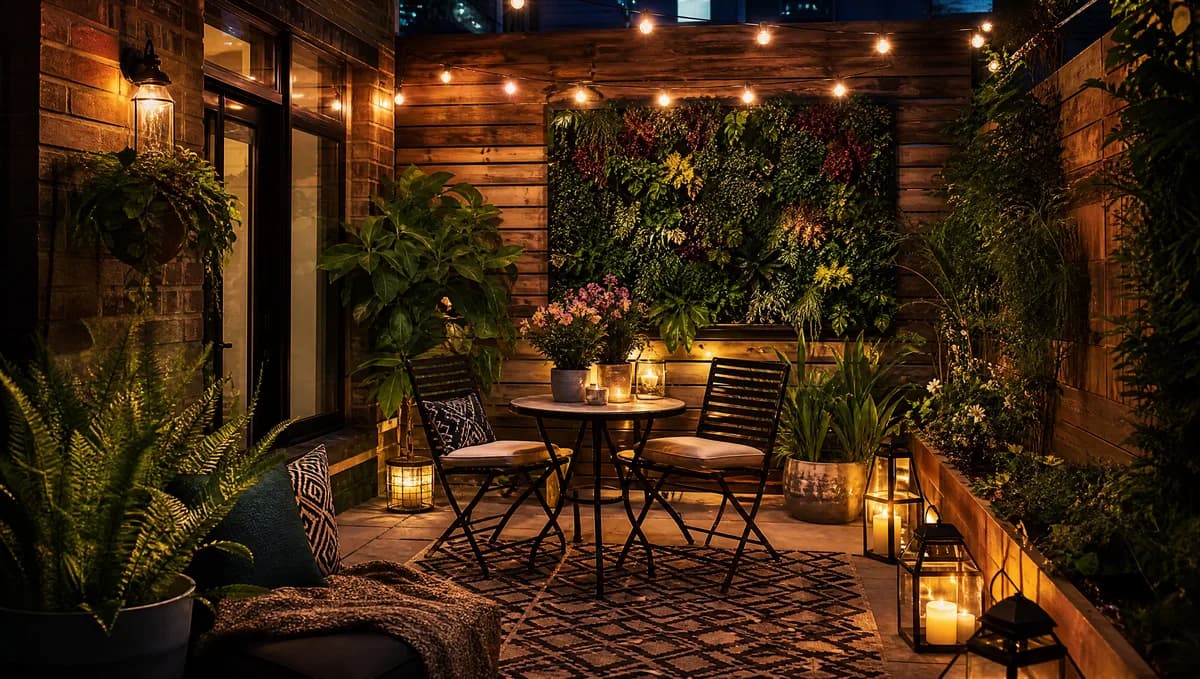
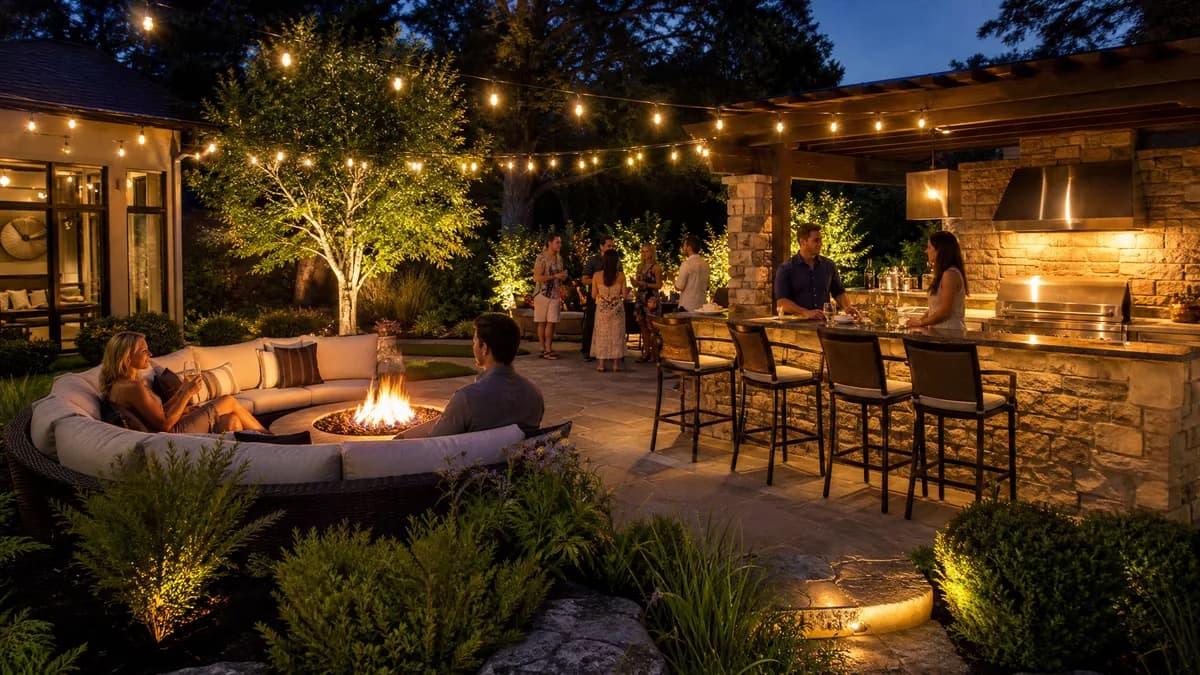
4. Add Landscape Lighting
Professional lighting design separates good curb appeal from great curb appeal. Focus on three lighting types:
- Uplighting: Position lights at the base of trees and architectural features to create dramatic uplighting effects after dark.
- Path lighting: Space fixtures every 6 to 8 feet along walkways for safe navigation and welcoming glow.
- Accent lighting: Highlight a water feature, specimen plant, or house number for nighttime focal points.
LED fixtures with warm-white (2700K) output create the most inviting atmosphere. Solar-powered options eliminate wiring costs for simple installations.
5. Define Edges and Borders
Crisp edges between lawn, beds, and hardscape communicate maintenance and pride of ownership. Options include:
- Steel edging for clean, modern lines that last indefinitely
- Natural stone edging for cottage and traditional aesthetics
- Brick soldiers (bricks set on end) for classic formality
- Spade-cut edges for a no-cost, natural look (requires seasonal maintenance)
Consistent edging throughout the front yard ties different areas together and creates a cohesive, finished appearance.
6. Upgrade the Mailbox Area
The mailbox is often the first element visitors notice. A simple upgrade makes an outsized impact:
- Plant a small perennial garden around the base
- Add a planter box or climbing vine to the post
- Replace a basic metal mailbox with an architecturally appropriate model
- Install a small post light for visibility and charm
7. Use Color Strategically
Color draws the eye and creates focal points. In front yard design, use color intentionally:
- Seasonal flower beds near the entry for welcoming pops of color
- Colored foliage (purple, gold, silver, or burgundy) for year-round interest
- Coordinated containers with flowering annuals flanking the front door
- A painted front door in a bold, contrasting color
Limit your palette to two or three complementary flower colors to avoid a chaotic appearance.
8. Address Drainage and Grade
Practical issues affect curb appeal as much as aesthetics. Standing water, eroded mulch, and uneven grades signal neglect:
- Re-grade beds to slope away from the foundation
- Install a French drain or dry creek bed if water pools in visible areas
- Add a rain garden in naturally low spots to turn a problem into a feature
- Use river rock in drainage channels for an attractive functional solution
9. Maintain a Healthy Lawn (or Replace It Thoughtfully)
If your front yard includes a lawn, its condition dominates the overall impression. Essential lawn care includes:
- Regular mowing at the correct height for your grass type
- Fall aeration and overseeding for thick, dense coverage
- Appropriate fertilization based on soil test results
- Sharp edging along all borders
If lawn maintenance is not appealing, consider a low-maintenance front yard design that replaces turf with ground cover, gravel, or structured planting beds.
10. Visualize Your Design Before Installing
The most cost-effective step in any front yard upgrade is visualization. Upload a photo of your current front yard to our AI design tool and instantly see it transformed into styles like:
- Craftsman Bungalow for period-appropriate homes
- English Cottage for romantic, flower-filled charm
- Modern Minimalist for contemporary clean lines
- New England Coastal for seaside character
Comparing multiple renderings side by side helps you identify which approach best complements your home's architecture and your personal style.
The ROI of Curb Appeal
A 2025 National Association of Realtors survey found that these landscaping improvements offer the highest return on investment:
| Improvement | Typical Cost | Estimated Value Added |
|---|---|---|
| Overall landscape upgrade | $4,900 | $8,500 (174% ROI) |
| New walkway | $2,400 | $3,200 (133% ROI) |
| Tree planting | $400 | $900 (225% ROI) |
| Landscape lighting | $1,800 | $2,700 (150% ROI) |
| New mulch and edging | $300 | $800 (267% ROI) |
These numbers reinforce what most real estate agents already know: landscaping is one of the highest-return investments a homeowner can make.
Frequently Asked Questions
What is the fastest way to improve curb appeal? Fresh mulch, clean edging, and seasonal color at the entry make the biggest visual impact for the least effort and cost. You can transform the front-of-house impression in a single weekend.
How much should I spend on front yard landscaping? The general recommendation is 5 to 10 percent of your home's value for a comprehensive landscape. For curb appeal-focused improvements, $2,000 to $5,000 covers most impactful changes.
Should I match my landscaping to my neighbors? Your landscaping should complement the neighborhood without copying it. Consistent elements like similar tree sizes and maintained edges help, while your specific style can be unique.