
Design Philosophy
New England coastal landscape design draws its identity from the rugged, windswept shoreline stretching from Connecticut to Maine — a landscape defined by granite ledges, salt marshes, beach plum thickets, and the particular quality of light that comes off the North Atlantic. Unlike tropical or Mediterranean coastal styles that chase lush abundance, the New England approach works with scarcity. Sandy, acidic soils, relentless salt spray, nor'easters that arrive without apology, and a climate that swings from humid summers to freezing winters — these constraints are not problems to solve but conditions to honor. The most authentic New England coastal gardens look like the land itself decided to garden, with human hands guiding rather than overriding the native ecology.
The philosophical root is regional authenticity. Historic New England properties — from Cape Cod saltboxes to Nantucket shingled cottages to Maine's rocky headland homes — earned their beauty by responding to place. Fieldstone walls were built from rocks cleared during plowing. Split-rail cedar fences weathered to silver-grey because that is what cedar does in salt air. Hydrangeas bloomed in sheltered dooryard gardens while bayberry and beach plum held the dunes. The landscape looked inevitable rather than designed. The 2026 evolution of this tradition embraces the same principle of inevitability while incorporating native planting science, coastal resilience strategies, and sustainable stormwater management that earlier generations achieved by instinct.
Today, New England coastal landscaping matters more than ever. Rising sea levels, intensifying storms, and stricter coastal regulations across Massachusetts, Connecticut, Rhode Island, and Maine mean that ornamental lawns and exotic plantings on coastal properties are increasingly impractical — and sometimes illegal. A well-designed native coastal landscape stabilizes shoreline banks, filters stormwater runoff, provides critical habitat for pollinators and shorebirds, and does all of this while looking effortlessly beautiful. It is the rare design style where ecological responsibility and aesthetic appeal point in exactly the same direction.
Key Design Elements
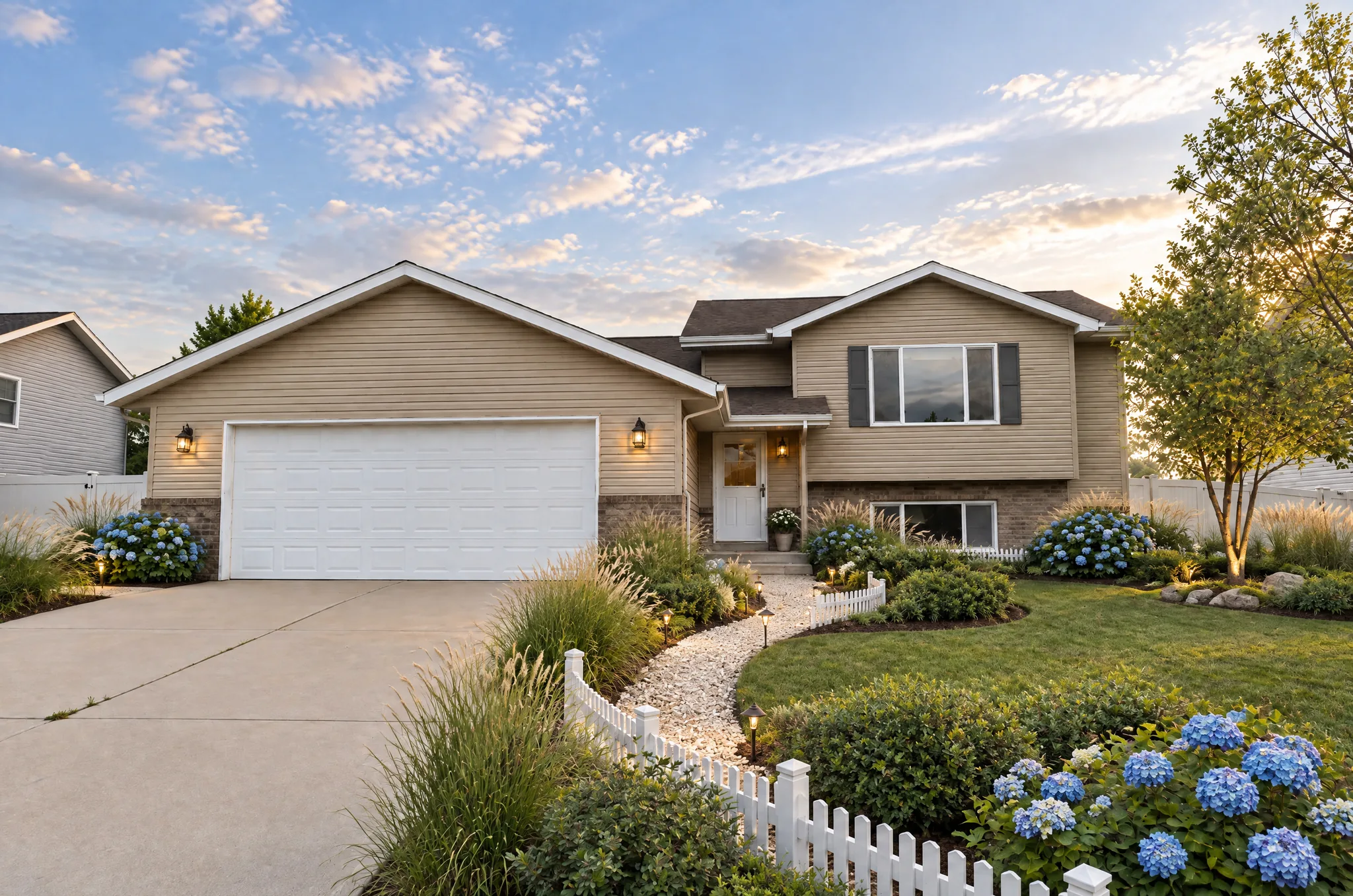
- Naturalistic Native Planting — Layered masses of salt-tolerant native grasses, shrubs, and perennials that echo the wild plant communities of the New England coast, planted in sweeping drifts rather than formal beds.
- Weathered Natural Materials — Locally sourced granite, fieldstone, bluestone, and cedar that develop a silver-grey patina over time, blending with the coastal environment rather than fighting it.
- Preserved Ocean Views — Strategic "view corridors" created through selective plant placement, keeping taller species to the sides and low groundcovers in sightlines to maintain the connection between house and water.
- Minimal Lawn — Turf limited to small functional areas and replaced elsewhere with native meadow grasses, groundcovers, and planted beds that require no irrigation, fertilizer, or weekly mowing.
- Permeable Surfaces — Gravel paths, crushed shell driveways, permeable pavers, and stepping stones set in groundcover that allow rainwater to infiltrate rather than run off toward the shore.
- Coastal Erosion Control — Living shoreline strategies using deep-rooting grasses, fibrous shrub masses, and biodegradable coir fabric to stabilize banks without hardened seawalls.
- Seasonal Four-Part Interest — Plant selection that provides structure and color across all four New England seasons: spring blooms, summer fullness, fall foliage and berries, and winter branch architecture.
- Informal Path and Boundary Lines — Curved gravel paths, irregular stepping-stone sequences, and split-rail or post-and-rail fencing that follow the land's contour rather than imposing geometry.
Recommended Plants & Materials
Plants
- Dune Stabilizers: American beachgrass (Ammophila breviligulata) — the frontline grass for exposed dunes, with thick fibrous roots that bind sand and build up windblown sediment
- Native Grasses: Switchgrass (Panicum virgatum), little bluestem (Schizachyrium scoparium), and seaside goldenrod (Solidago sempervirens) — upright, salt-tolerant grasses and perennials that provide year-round structure and fall color in bronze, gold, and warm yellow
- Signature Shrubs: Beach plum (Prunus maritima) for white spring flowers and edible purple fruit; bayberry (Morella caroliniensis) for aromatic foliage and winter berries that feed migratory songbirds; summersweet (Clethra alnifolia) for fragrant white spikes in midsummer
- Groundcovers: Bearberry (Arctostaphylos uva-ursi) — an evergreen, mat-forming native that thrives in sandy soil, tolerates salt spray, and produces red berries that persist through winter for wildlife
- Evergreen Structure: Eastern red cedar (Juniperus virginiana) and pitch pine (Pinus rigida) — tough native conifers that provide year-round green architecture and windbreak protection in exposed coastal sites
- Flowering Perennials: Coneflower (Echinacea purpurea), black-eyed Susan (Rudbeckia hirta), New England aster (Symphyotrichum novae-angliae), and bee balm (Monarda) — for sheltered garden areas, adding summer-to-fall color and supporting pollinator populations
- The Classic Hydrangea: Bigleaf hydrangea (Hydrangea macrophylla) — New England's most iconic ornamental, producing blue-to-pink globes in sheltered dooryard gardens and along foundation plantings where wind protection is adequate. Blooms turn blue in acidic soil (pH below about 5.5), purple between pH 5.5 and 6.5, and pink above 6.5; white cultivars do not change
- Beach Roses: Rugosa rose (Rosa rugosa) — a salt-spray-tolerant shrub with pink single flowers from early summer and large red-orange hips in fall, planted along path edges and fences where hybrid roses fail. It suckers into thickets and is considered invasive along parts of the New England coast, so choose a well-behaved cultivar, check your state's invasive-plant list, and consider native alternatives such as beach plum or bayberry. Trellised climbing roses over a garden gate complete the dooryard look
- Coastal Bank Specialists: Virginia creeper (Parthenocissus quinquefolia), lowbush blueberry (Vaccinium angustifolium), and Pennsylvania sedge (Carex pensylvanica) — for stabilizing slopes and replacing lawn on banks
Materials & Colors
- Granite and Fieldstone: Locally sourced New England granite for retaining walls, step treads, and fire pit surrounds; fieldstone for dry-stacked walls that echo the region's historic agricultural character
- Bluestone: Irregular or thermal-finished bluestone for patios, walkways, and landing areas — the classic New England hardscape stone
- Crushed Shell and Gravel: Crushed oyster shell for driveways and paths in coastal properties; pea gravel and decomposed granite for secondary paths and planted bed mulch
- Cedar: Eastern white cedar for fencing, pergola structures, and raised planter borders — left untreated to weather naturally to the signature silver-grey that defines New England coastal architecture
- Cedar Shingle Fencing: Natural cedar shingles applied over a framed fence or wall, with a post-and-rail or white picket gate under a simple wooden arbor — the shingles weather to silver-grey to match shingled houses
- Permeable Pavers: Concrete or stone pavers with gravel-filled joints for patios and driveways, allowing stormwater infiltration and meeting coastal development regulations
- Color Palette: Weathered silver-grey, slate blue, sea glass green, warm sand, bleached white, and the muted golds and bronzes of native grasses in autumn — a palette drawn directly from the coastal landscape itself
Best For
New England coastal landscape design is ideal for homeowners who value regional authenticity, ecological sustainability, and landscapes that improve with age rather than demanding constant intervention. It suits:
- Owners of coastal New England properties — from Cape Cod and the Islands to the Connecticut shore, Rhode Island's coastline, and Maine's rocky headlands, where salt exposure, sandy soil, and coastal regulations make conventional landscaping impractical
- Historic New England homes — shingled cottages, Cape Cod saltboxes, colonial farmhouses, and summer houses where the landscape should feel as rooted in place as the architecture
- Environmentally conscious homeowners — those who want to eliminate irrigation, reduce chemical inputs, support native pollinator and bird habitat, and contribute to shoreline stabilization
- Low-maintenance seekers — once established (typically 2–3 seasons), a native New England coastal landscape requires dramatically less labor and cost than a conventional lawn-and-ornamental approach
- Properties facing erosion or stormwater challenges — the deep-rooting native plant palette actively stabilizes banks, absorbs stormwater, and reduces runoff that contributes to coastal erosion
Budget Guide
- DIY / Budget ($2,500–$7,000): Focus on one area — a front entry planting or a shoreline bank stabilization. Source native plants from regional nurseries (New England Wild Flower Society and state-certified native nurseries offer the best selection). Install a simple gravel or crushed-shell path, a small fieldstone border, and massed native grasses and shrubs. Replace lawn areas with Pennsylvania sedge or bearberry groundcover.
- Mid-Range ($10,000–$30,000): Professional design for the full property including native planting beds, a bluestone or permeable paver patio, gravel pathways, a fieldstone retaining wall or two, low-voltage landscape lighting, and a phased planting plan that fills in over 2–3 seasons. Covers a typical half-acre coastal lot.
- Professional ($40,000–$100,000+): Comprehensive landscape architecture with coastal engineering — living shoreline restoration, tiered granite retaining walls, custom bluestone terracing, mature specimen tree installation, integrated drainage and stormwater systems, and a professionally designed lighting scheme. Properties larger than one acre or those requiring significant bank stabilization will be at the higher end.
Maintenance Level
Low. Native New England coastal plants evolved in the conditions you are planting them in — sandy or rocky soil, salt spray, wind, and seasonal extremes. Once established after 2–3 growing seasons, the primary maintenance tasks are: one annual cutback of ornamental grasses in late winter before new growth; selective pruning of shrubs to maintain view corridors; occasional weeding (decreasing each year as native plantings fill in and outcompete invasives); and clearing gravel or shell paths after storms. No irrigation system needed. No fertilizer required — and in many coastal zones, fertilizer runoff is regulated or prohibited. The biggest ongoing effort is monitoring for invasive species like Japanese knotweed, bittersweet, and phragmites, which can colonize disturbed coastal areas quickly if left unchecked.
FAQ
How do I keep hydrangeas blue near the coast?
Blue flowers depend on aluminum being available to the plant, which happens in acidic soil (pH below about 5.5) on blue-capable cultivars. Test the soil first, then lower pH gradually with elemental sulfur; University of Maryland Extension warns that too much aluminum sulfate can burn roots, so reserve it for turning pink flowers blue and follow label rates. Low-phosphorus fertilizer helps, and lime or concrete-adjacent beds push pH up. Salt tolerance varies by cultivar, so plant in a spot sheltered from direct salt-laden wind.
What is the best plant for a windy, salt-sprayed path edge?
Rugosa rose (Rosa rugosa) tolerates salt spray, sand, and wind far better than hybrid roses and produces edible, vitamin C–rich hips in fall. The catch is that it forms suckering thickets and is invasive in parts of coastal New England, so pick a better-behaved cultivar and contain it, or use native bayberry or beach plum for a layered, wind-tolerant border instead.
How much does a crushed shell or gravel path cost?
Crushed shell is typically about $1–$3 per square foot for the material and spreading, and pea gravel installed commonly runs $2–$8 per square foot depending on region. Budget more for a compacted crushed-stone base, woven landscape fabric, and steel or granite edging: a professionally installed 3-foot-wide gravel path is often quoted at $14–$28 per linear foot, and DIY at $5–$10. These keep the surface in place after storms.
Sources
Plant and cost facts were checked against these references (October 2026). Costs are national averages and vary by region and site conditions.
- UMass Amherst Extension — Hydrangeas, color and fertilizing
- University of Maryland Extension — Hydrangea problems (soil pH and aluminum sulfate)
- USDA ARS — Salt tolerance of hydrangea varies by cultivar
- USDA NRCS — Rugosa rose plant fact sheet
- NC State Extension — Rosa rugosa (invasive in New England coastal areas)
- HomeGuide — Gravel and crushed shell prices
- PeaGravelCalculator — Walkway installation cost guide
Try It Now
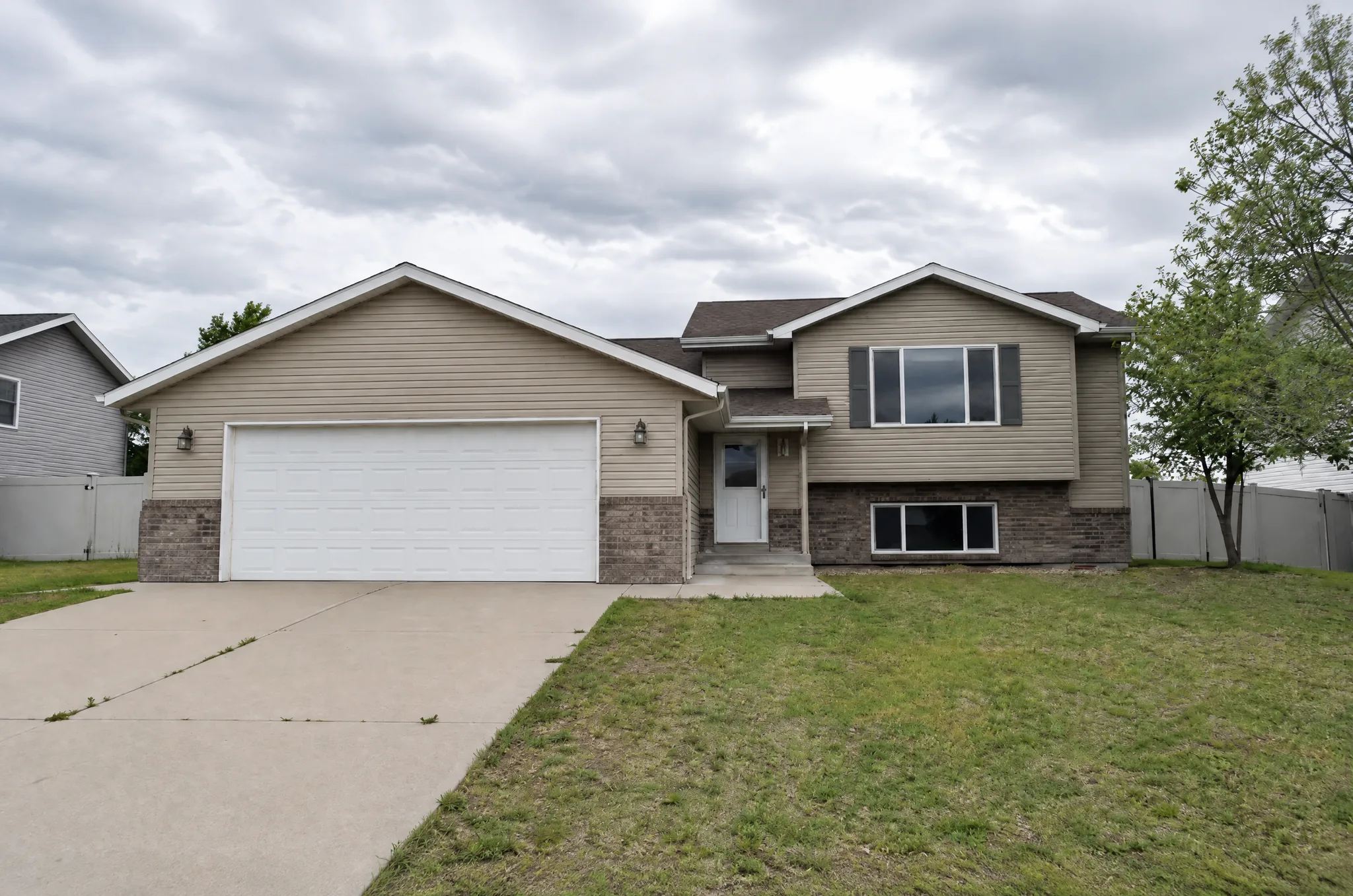
Upload your photo and see your space transformed into New England Coastal style in seconds — free to try. Our AI tool renders the native grasses, weathered stone, and naturalistic planting directly onto your existing yard.