An outdoor entertaining space extends your home's living area and creates a setting for gatherings that indoor rooms simply cannot match. The combination of fresh air, open sky, and well-designed amenities makes outdoor hosting an experience guests remember.
Designing an effective entertaining space requires balancing cooking function, seating comfort, traffic flow, and atmosphere. This guide covers the essential elements.
The Five Zones of Outdoor Entertaining
Professional landscape designers organize outdoor entertaining spaces into five functional zones:
1. The Cooking Zone
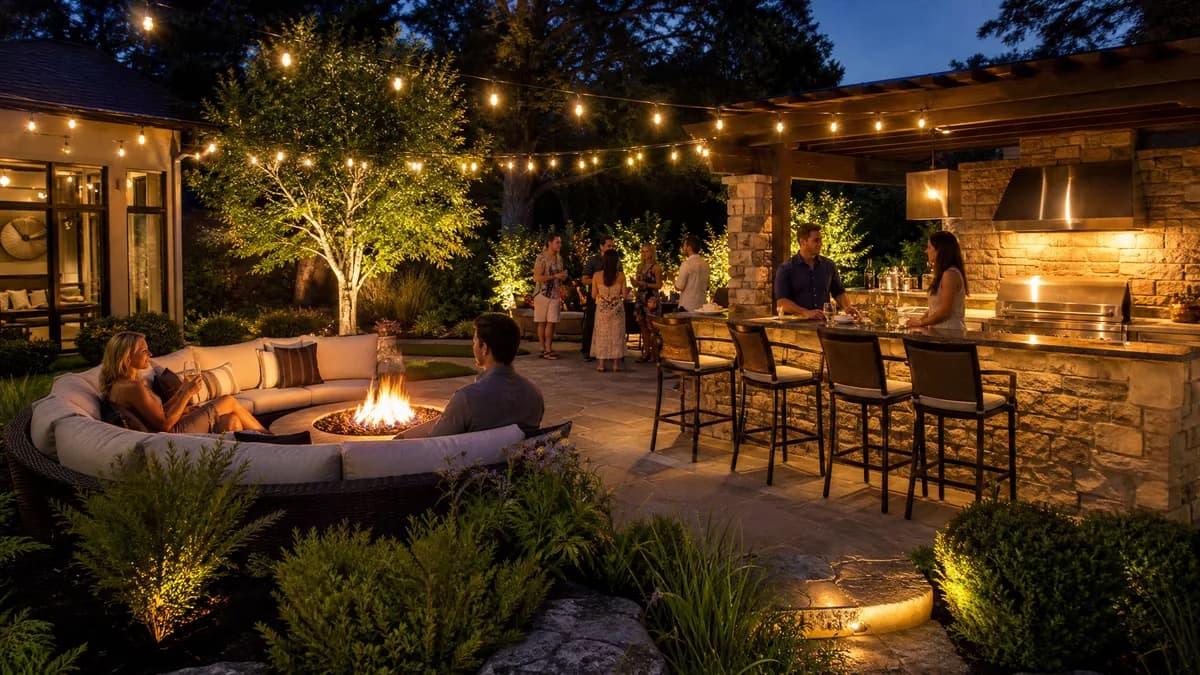
The outdoor kitchen is the anchor of most entertaining spaces. Essential components include:
- Grill or smoker: Built-in gas grills offer convenience; smokers and charcoal provide flavor
- Prep counter: At least 36 inches of counter space on each side of the grill
- Storage: Weather-resistant cabinets for utensils, spices, and supplies
- Sink: Running water near the prep area eliminates trips indoors
- Refrigeration: An under-counter beverage fridge or ice maker
Position the cooking zone where smoke drifts away from the main seating area, accounting for prevailing wind direction.
2. The Dining Zone
Outdoor dining works best with:
- A table sized for your typical gathering (6 to 8 seats is the sweet spot)
- Overhead shade from a pergola, umbrella, or mature tree
- Proximity to the cooking zone for easy food service
- Level, stable flooring (pavers or composite decking)
3. The Lounge Zone
Create a separate relaxation area with:
- Comfortable seating (deep-seat outdoor sofas and chairs)
- A focal-point feature like a fire pit or water feature
- Side tables for drinks and snacks
- Weather-resistant cushions and throw pillows
4. The Activity Zone
If space allows, dedicate an area for games and activities:
- Bocce court, cornhole boards, or a putting green
- A play area visible from seating zones
- Open lawn for flexible use
5. The Transition Zone
The connection between indoor and outdoor spaces should feel seamless:
- Wide doors (sliding, folding, or pocket) that open the indoor room to the patio
- Consistent flooring materials or colors across the threshold
- Protected transition area with overhead cover for weather protection
Lighting for Evening Entertaining
Lighting transforms an outdoor space after sunset. Layer three types:
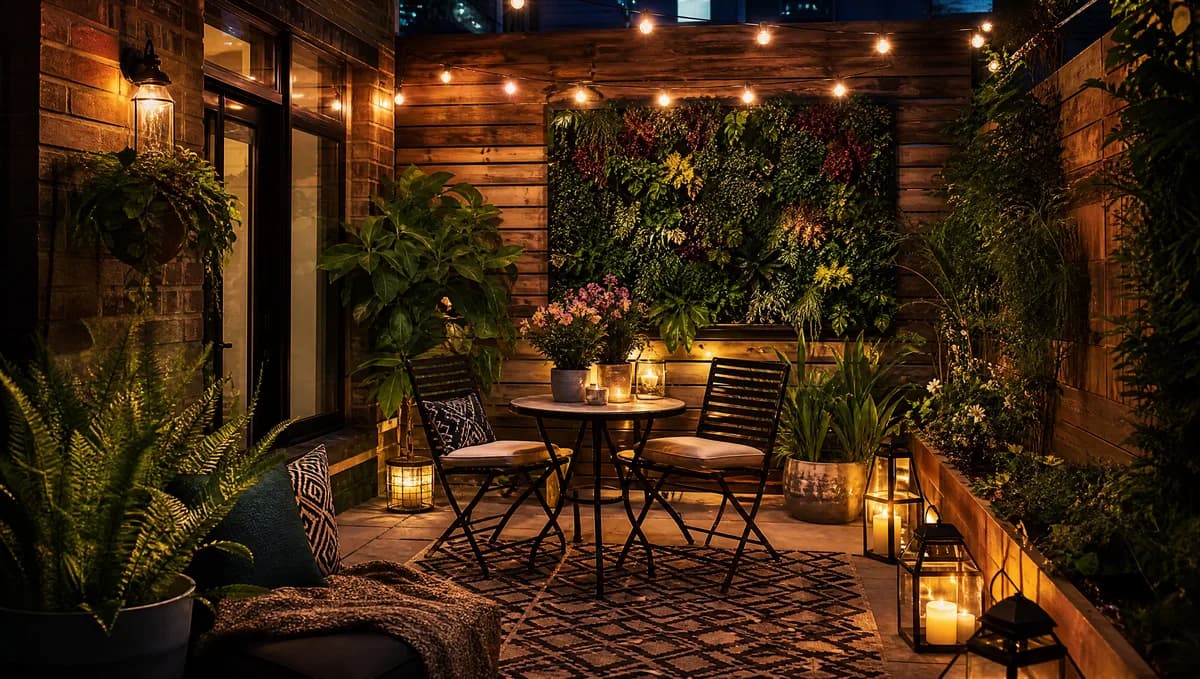
Ambient lighting: Overhead string lights or lanterns provide general illumination without harsh brightness. Warm-white LEDs (2700K) create the most inviting atmosphere.
Task lighting: Focused light over the grill, prep counter, and dining table ensures practical function. Under-counter LED strips work well in outdoor kitchens.
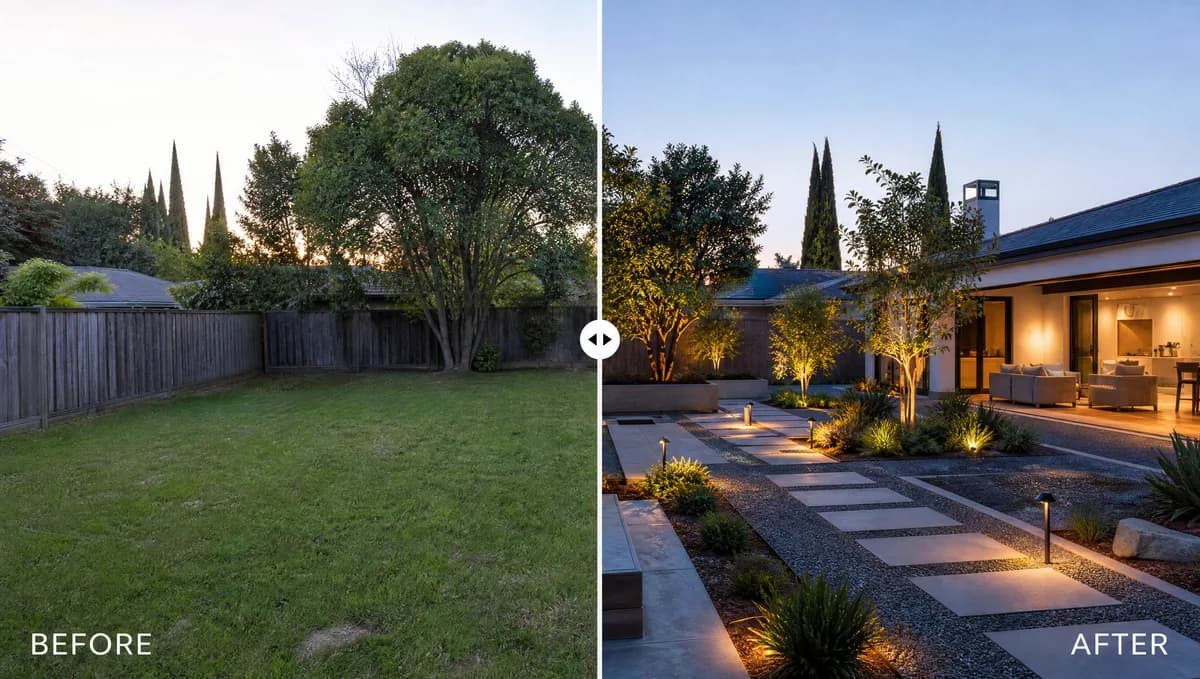
Accent lighting: Uplighting on trees, pathway lights, and fire features add drama and define the space's boundaries.
Choosing the Right Style
Your entertaining space should complement your home's architecture and your personal hosting style. Popular approaches include:
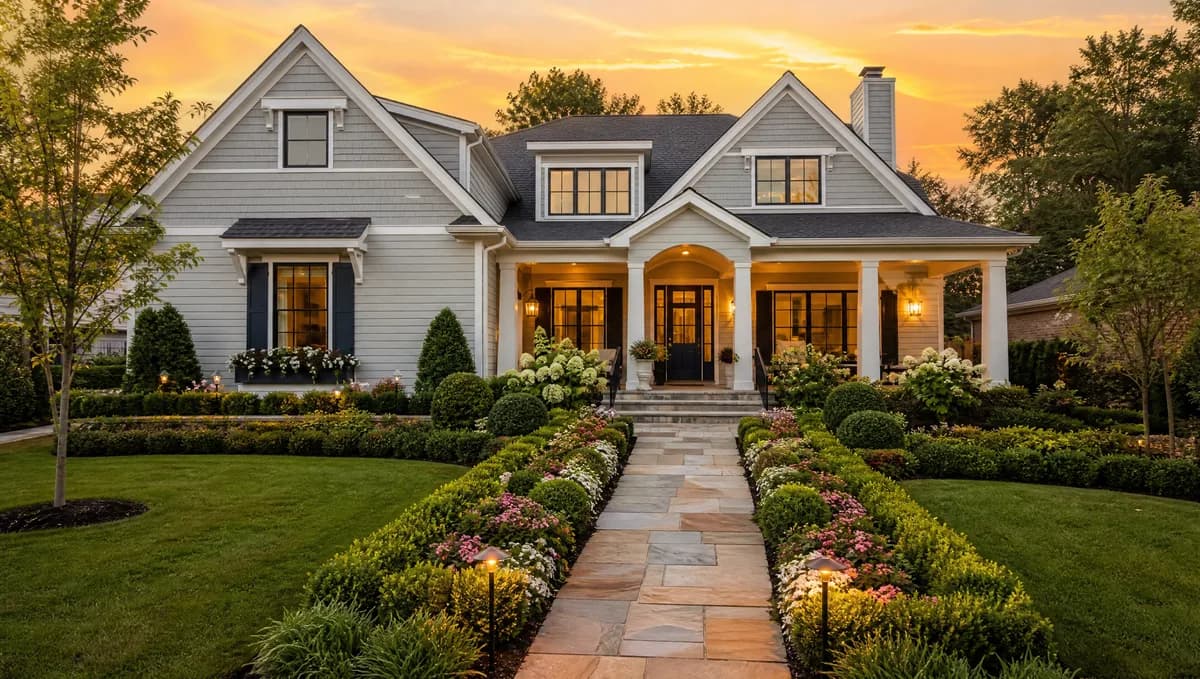
- Modern family backyard for versatile, all-ages entertaining
- Contemporary outdoor living with sleek, built-in amenities
- Mediterranean for warm, rustic gathering spaces
- Tropical resort for vacation-inspired party settings
Use our AI design tool to visualize different entertaining styles for your specific yard.
Budget Planning
| Component | Budget Range |
|---|---|
| Built-in grill + counters | $3,000 -- $15,000 |
| Patio or deck surface | $2,000 -- $12,000 |
| Fire pit (gas) | $1,500 -- $5,000 |
| Outdoor furniture set | $1,500 -- $8,000 |
| Lighting system | $500 -- $3,000 |
| Pergola or shade structure | $2,000 -- $10,000 |
Frequently Asked Questions
What is the best surface for an outdoor entertaining area? Porcelain pavers offer durability, low maintenance, and a premium look. Composite decking is excellent near the house. Natural stone adds character but costs more.
Do I need a permit for an outdoor kitchen? In most jurisdictions, built-in gas lines, electrical connections, and structures above a certain size require permits. Check local building codes before starting.
How do I protect outdoor furniture? Invest in quality covers, choose weather-resistant materials (teak, aluminum, all-weather wicker), and bring cushions indoors during extended rain or winter.