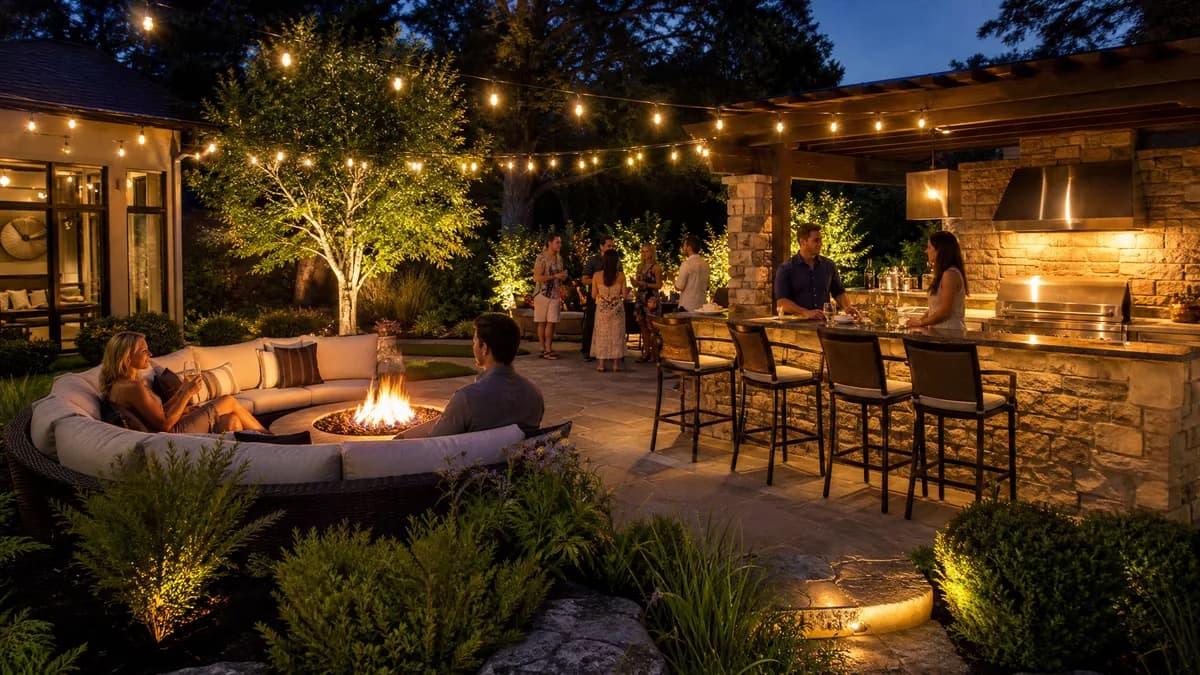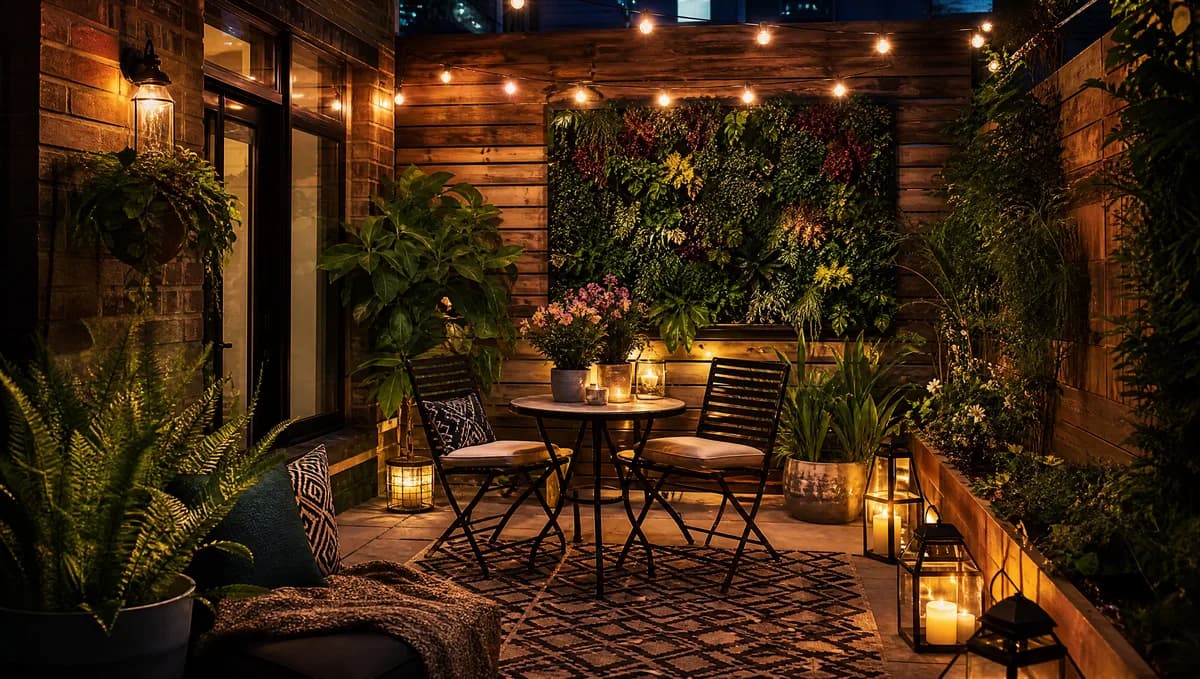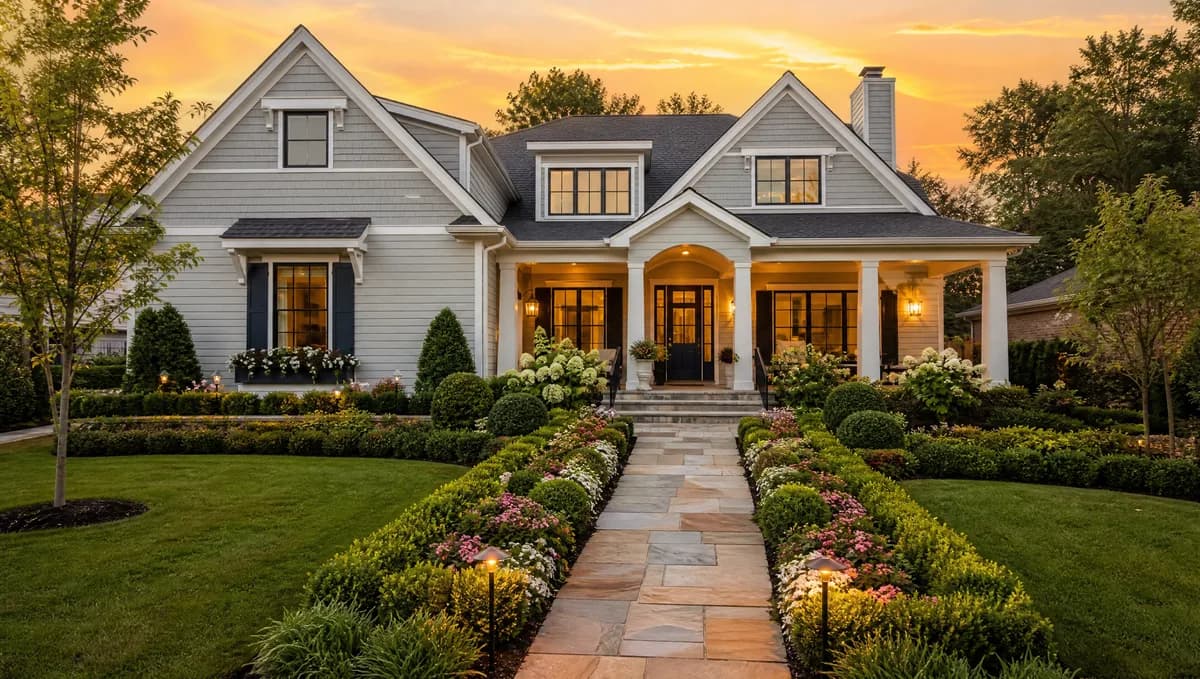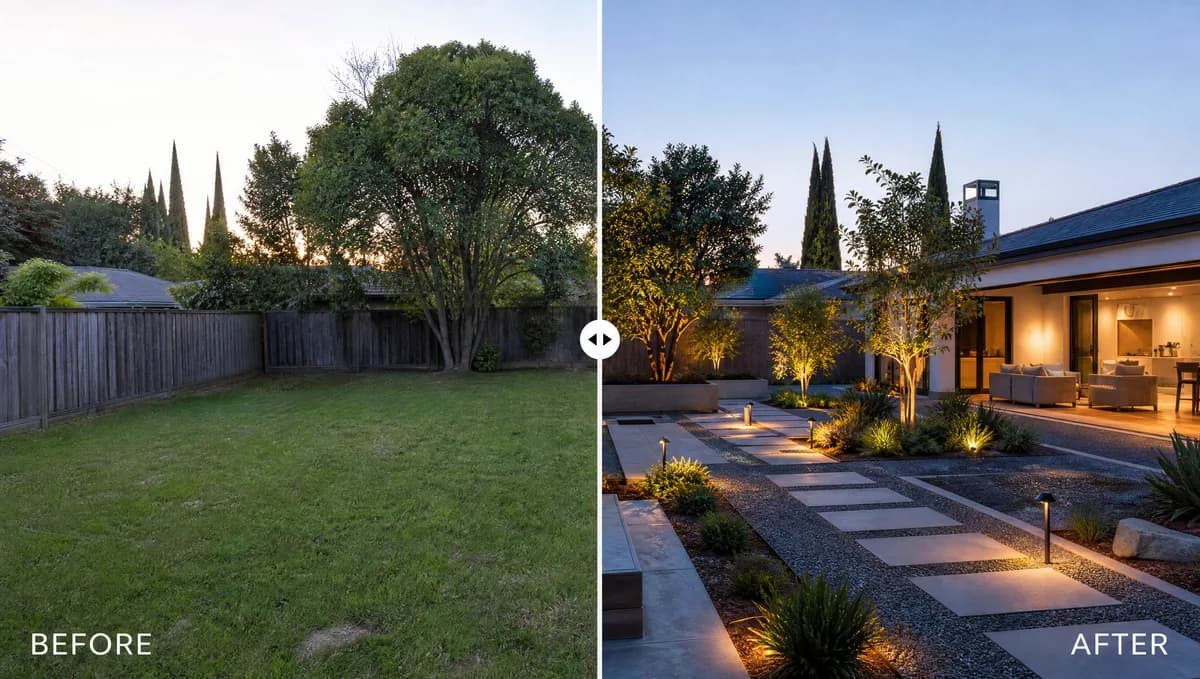
A backyard transformation is one of the most rewarding home improvement projects you can tackle. Whether you are working with a blank canvas or revitalizing a tired outdoor space, the right approach can turn your yard into a personal retreat that adds thousands of dollars in property value.
This guide walks you through every stage of the process, from initial planning through final installation, with a focus on practical decisions that affect cost, timeline, and long-term satisfaction.
Why Transform Your Backyard?
Before diving into the how, it is worth understanding the why. A National Association of Realtors study consistently shows that well-designed landscaping can increase a home's value by 10 to 15 percent. Beyond financial returns, a thoughtfully designed outdoor space extends your living area, reduces stress, and creates a setting for memorable gatherings.
The most common reasons homeowners invest in backyard redesigns include:
- Increasing usable outdoor space for dining, entertaining, and relaxation
- Boosting property value before a sale or refinance
- Reducing maintenance by replacing high-upkeep lawns with strategic hardscape and low-care plantings
- Addressing drainage or grading issues that cause water damage
- Creating a personal style statement that reflects your aesthetic preferences
Step 1: Assess Your Current Space
Start by documenting what you already have. Walk your yard at different times of day and note sun exposure patterns, existing trees worth keeping, slopes, views you want to frame, and eyesores you want to screen.
Key questions to answer:
- How much sun does each area receive throughout the day?
- Where does water collect after rain?
- Which existing plants, trees, or hardscape elements should stay?
- What is the soil type and condition?
- Are there utility lines, easements, or HOA restrictions?
Taking photos from multiple angles gives you reference material for the design phase. You can upload these same photos to our AI design tool to instantly visualize different style options.
Step 2: Define Your Style
Your backyard style should complement your home's architecture and reflect how you plan to use the space. A modern minimalist landscape pairs naturally with contemporary homes, while an English cottage garden feels at home next to traditional architecture.
Popular style categories for 2026 include:
- Modern Minimalist -- Clean lines, geometric hardscape, and restrained planting. Ideal for low-maintenance lifestyles.
- Mediterranean -- Warm stone, olive trees, and lavender create a sun-drenched retreat. Works well in mild climates.
- Japanese Zen -- Raked gravel, moss, and carefully placed boulders bring meditative calm. Perfect for smaller spaces.
- Tropical Resort -- Lush palms, a plunge pool, and timber decking deliver vacation vibes at home.
- Farmhouse Modern -- Gravel paths, raised planters, and rustic fencing blend rural charm with contemporary function.
Browse all 33 available design styles to find the right match, or let our AI tool analyze your yard and recommend a style automatically.
Step 3: Set a Realistic Budget
Backyard renovation costs vary widely based on scope, materials, and labor market conditions in your region. Here is a general framework for budgeting in 2026:
| Component | Budget Range (USD) |
|---|---|
| Hardscape (patios, paths, walls) | $3,000 -- $25,000 |
| Softscape (plants, trees, soil) | $1,500 -- $8,000 |
| Irrigation system | $1,000 -- $4,000 |
| Outdoor lighting | $500 -- $5,000 |
| Water features | $1,000 -- $15,000 |
| Outdoor kitchen / fire pit | $2,000 -- $20,000 |
| Professional design fees | $500 -- $3,000 |
A smart way to reduce design costs is to use an AI landscape design tool to generate professional-quality visualizations before hiring a contractor. This helps you communicate your vision clearly and avoid costly mid-project changes.
Step 4: Visualize Before You Build
This is where technology has changed the game. Instead of relying solely on imagination or expensive design consultants, you can now:
- Upload a photo of your current backyard
- Select a design style from 22 landscape options
- Generate a realistic rendering in under 30 seconds
- Compare multiple styles side by side
- Share the visualization with your contractor or partner
Our AI design tool handles this entire workflow for free. You can test desert xeriscape for water savings, then switch to contemporary coastal for a more relaxed feel, all without spending a dollar on design fees.
Step 5: Plan the Installation
Once you have settled on a design direction, create an implementation plan that accounts for:
- Phasing: Break large projects into manageable stages. Hardscape first, then irrigation, then planting.
- Seasonal timing: Spring and fall are ideal for planting in most climates. Avoid starting hardscape work during rainy seasons.
- Permits: Check local requirements for structures, retaining walls, and significant grading changes.
- Contractor selection: Get at least three bids, check references, and verify insurance and licensing.
Step 6: Choose the Right Plants
Plant selection depends on your climate zone, soil type, sun exposure, and maintenance tolerance. Consider these principles:
- Right plant, right place: Match water and sun needs to actual conditions in each area of your yard.
- Layered planting: Combine ground cover, mid-height perennials, shrubs, and trees for visual depth.
- Four-season interest: Select plants that offer something in every season, whether foliage, flowers, bark texture, or structure.
- Native and adapted species: These require less water, fewer chemicals, and provide habitat for local wildlife.
For water-conscious designs, explore our California drought-tolerant and desert xeriscape styles.
Step 7: Maintain Your Investment
A beautiful backyard requires ongoing care, but smart design choices minimize the workload:
- Install drip irrigation on timers to eliminate hand watering
- Apply 3 inches of mulch annually to suppress weeds and retain moisture
- Schedule seasonal pruning to maintain plant health and shape
- Clean hardscape surfaces annually to prevent staining and algae growth
- Test and amend soil every 2 to 3 years
Frequently Asked Questions
How long does a full backyard transformation take? Most projects take 4 to 12 weeks from design finalization to completion, depending on complexity and contractor availability.
Can I do a backyard makeover on a tight budget? Start with the highest-impact elements: clean up existing beds, add fresh mulch, install a simple patio area, and introduce a few specimen plants. You can phase in additional features over time.
How does AI landscape design help? AI tools let you visualize dozens of design options instantly, saving weeks of back-and-forth with designers. You get photorealistic renderings that show exactly what your yard could look like in any style.