
Design Philosophy
The Modern Family Backyard is built on a single premise: outdoor space should work as hard as indoor space. Not just for weekend barbecues or summer pool parties, but for Tuesday homework sessions on the patio, Saturday morning pancakes under the pergola, and after-school soccer practice on the lawn — simultaneously. The style emerged in the late 2010s as the outdoor living movement collided with the reality that most families need their backyards to serve five or six different functions at once, often at the same time.
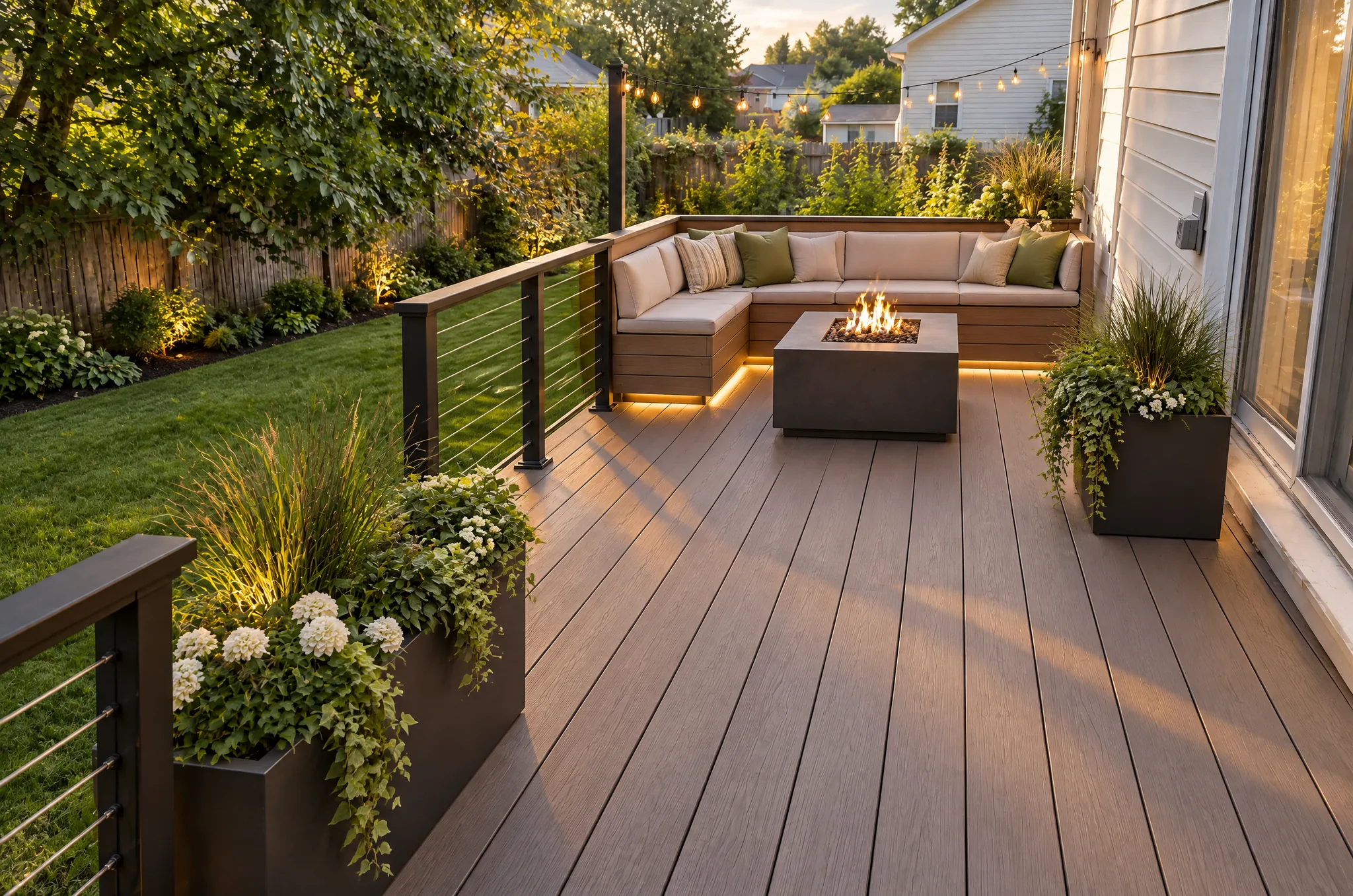
What separates the Modern Family Backyard from a generic "kid-friendly yard" is intention. Instead of scattering a playset on a patch of lawn and calling it done, this style treats the backyard as a series of connected outdoor rooms — each with a defined purpose, durable surfaces, and clear sightlines between zones so parents can watch children from the dining table without turning their heads 180 degrees. The aesthetic is clean and contemporary — composite decking, steel planters, architectural concrete — but it never sacrifices function for appearance. A fire pit that looks beautiful but sits too close to the play area is not modern family design. It is a liability.
In 2026, the approach has matured beyond "durable surfaces and a swing set." Designers now integrate flexible features that evolve with families: a sandbox that converts to a raised herb garden, a sport court that doubles as a dance floor for teen gatherings, and modular furniture that reconfigures from toddler-safe low seating to adult entertaining in minutes. The best Modern Family Backyards look intentional regardless of the children's age — because the bones are strong enough to outlast any single phase of family life.
Key Design Elements
- Zoned Layout With Clear Sightlines — The yard is divided into distinct activity zones (dining, lounging, active play, quiet nature, open lawn) using changes in surface material, low planting borders, or subtle grade shifts rather than fences that block views. Parents can see every zone from the primary seating area.
- Durable, Low-Maintenance Surfaces — Composite decking, porcelain pavers, engineered turf with cushioned underlayment, and poured-in-place rubber beneath play equipment replace high-maintenance natural materials that cannot survive heavy family use.
- Covered Outdoor Living — A pergola, retractable awning, or roof extension creates a weather-protected zone for dining and lounging that extends usable hours through rain, harsh sun, and shoulder seasons.
- Integrated Storage — Built-in benches with lift-up lids, weatherproof deck boxes, and concealed toy storage keep the yard tidy without requiring a separate shed. Storage lives where the mess happens.
- Flexible Features — Sandboxes with convertible lids, modular furniture, movable fire pits, and sport courts with multi-use line markings allow the space to adapt as children age without rebuilding.
- Outdoor Kitchen or Prep Zone — A built-in grill, countertop, and sink positioned adjacent to the dining area so the cook stays part of the conversation and can supervise play zones simultaneously.
- Smart Lighting on Zones — Separate lighting circuits for dining (pendant or string lights on dimmers), play (bright, even coverage), and ambient (path lights, uplights on specimen trees) so each zone has the right light level for its function.
- Safety-First Hardscape — Rounded edges on built-in seating, non-slip surfaces around water features, impact-absorbing material beneath all play structures, and secure pool fencing where applicable.
Recommended Plants & Materials
Plants
- Shade Trees: Red maple (Acer rubrum), honeylocust (Gleditsia triacanthos var. inermis), crape myrtle (Lagerstroemia indica) for filtered shade over play and dining areas
- Screening Hedges: Cherry laurel (Prunus laurocerasus), green giant arborvitae (Thuja standishii × plicata 'Green Giant'), clumping bamboo (Bambusa multiplex) for privacy without blocking internal sightlines
- Low Border Plants: Dwarf fountain grass (Pennisetum alopecuroides 'Hameln'), blue fescue (Festuca glauca), lavender (Lavandula spp.) — tough enough to survive stray soccer balls
- Sensory & Edible: Rosemary, basil, cherry tomatoes, strawberry planters, and a lemon tree in a container — positioned near the outdoor kitchen for cooking access and children's garden education
- Groundcover: Creeping thyme (Thymus serpyllum) between pavers, dwarf mondo grass (Ophiopogon japonicus 'Nanus') along pathways
Materials & Colors
- Decking: Composite boards in warm gray or natural teak tones — splinter-free, fade-resistant, and low-maintenance
- Pavers: Large-format porcelain pavers (24"×24") in light gray or sandstone tones for dining terraces and pathways
- Play Surfaces: Engineered wood fiber or poured-in-place rubber under play equipment; cushioned artificial turf for general play areas
- Metalwork: Powder-coated aluminum or blackened steel for planters, pergola framing, and railings — durable and child-safe with no sharp edges
- Color Palette: Warm grays, natural timber tones, white or light stone, with green foliage as the dominant color accent. One bold color (navy, rust, sage) on cushions or a feature wall for personality
Best For
The Modern Family Backyard works for households where the outdoor space needs to serve multiple generations and multiple functions simultaneously:
- Families with children under 12 — The zoned layout and safety-first surfaces are designed around supervision, play, and durability
- Households that entertain regularly — The outdoor kitchen, flexible dining zone, and adult lounge area make hosting seamless without disrupting children's play
- Properties from 1,500 to 10,000+ sq ft — The modular zone approach scales cleanly; small yards simply have fewer zones while maintaining the same design logic
- Parents planning ahead — Features like convertible sandboxes, multi-use sport courts, and modular furniture mean the yard evolves with the family rather than requiring demolition every five years
- Multi-generational homes — Level changes are minimal, pathways are wide, and seating options accommodate grandparents as comfortably as toddlers
Budget Guide
| Level | Scope | Estimated Cost (USD) |
|---|---|---|
| DIY Weekend | Define zones with surface changes, add a portable fire pit, install string lights, build a simple sandbox, add container plantings | $2,500 – $6,000 |
| Mid-Range | Composite deck or paver patio, pergola, basic outdoor kitchen (grill + counter), play structure with safety surfacing, landscape lighting, irrigation | $15,000 – $40,000 |
| Premium | Full outdoor room with roofed structure, custom outdoor kitchen, sport court, pool with fencing, built-in storage, smart lighting, and mature tree installation | $50,000 – $120,000+ |
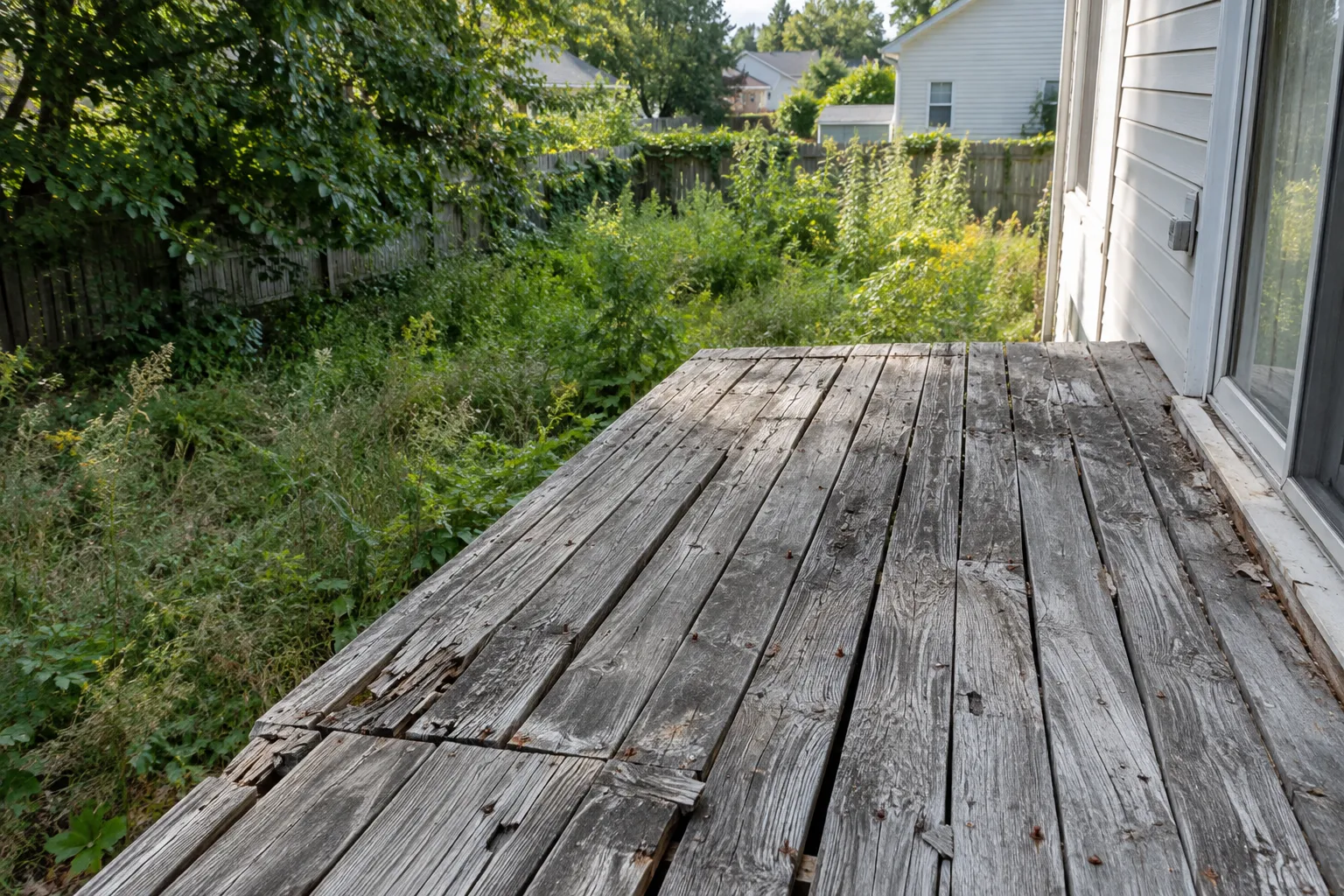
The biggest cost driver is hardscape — decking, pavers, and covered structures account for 50–65% of most budgets. Investing in quality composite materials upfront saves significantly on the 10-year maintenance cycle compared to natural wood, which requires annual sealing, staining, and eventual board replacement in high-traffic family use.
Maintenance Level
Medium — The Modern Family Backyard uses durable, low-maintenance materials by design, but the multi-zone layout means more surface types to manage than a simple lawn-and-patio setup.
Weekly tasks include clearing toys and resetting furniture, sweeping composite decking, and checking play equipment for loose hardware. Monthly tasks include composite deck washing, artificial turf brushing to keep fibers upright, and grill/outdoor kitchen cleaning. Seasonal tasks include spring planting refresh, fall leaf cleanup from multiple surface types, winterizing irrigation and the outdoor kitchen, and an annual play equipment safety inspection.
The trade-off is intentional: slightly more maintenance touchpoints than a minimal garden, but dramatically less effort per touchpoint because every material was chosen for durability. A composite deck takes 20 minutes to wash versus a full weekend to sand and restain a timber deck.
Try It Now
Upload your photo and see your space transformed into Modern Family Backyard style in seconds — free to try.