
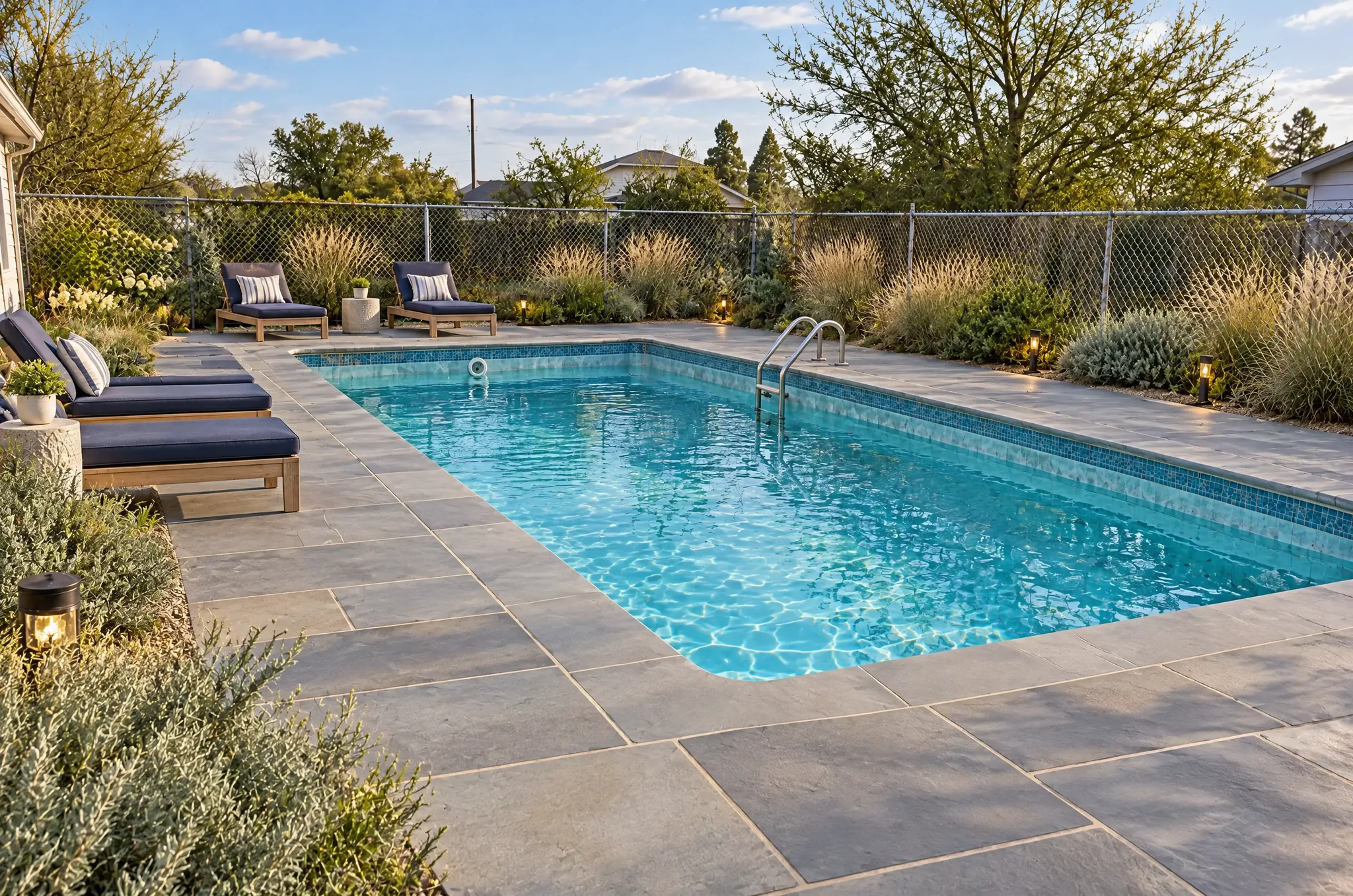
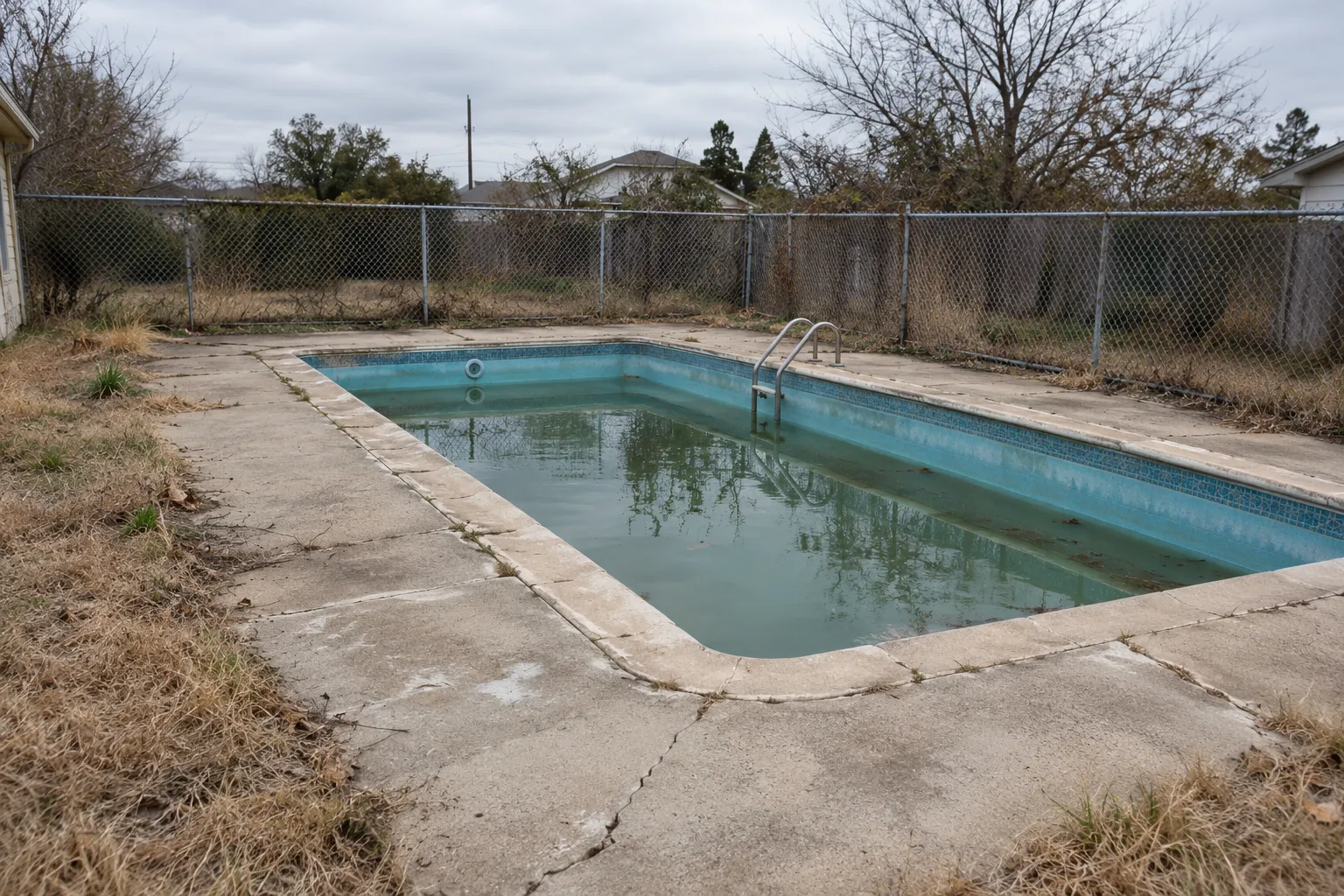
Design Philosophy
Contemporary coastal landscape design emerged from two parallel traditions: the sun-drenched beach houses of California and the rugged, wind-scoured architecture of Australia's coastal fringe. In both regions, architects and landscape designers faced the same challenge — how to create outdoor spaces that felt refined without fighting the ocean. Early beach-themed gardens leaned heavily on kitsch: anchor motifs, rope borders, and painted starfish scattered among brittle annuals. The contemporary evolution has shed that theatricality in favor of something quieter and more durable.
The style's core ideology is resilience through restraint. Salt spray, sandy soils, and relentless wind punish anything fragile or fussy. Contemporary coastal design responds by selecting materials that weather gracefully — composite decking that will not splinter, stainless steel that resists corrosion, and concrete that bleaches to a soft chalk white over time. Color palettes draw directly from the shoreline: driftwood gray, sand, seafoam, and deep navy accents that echo the horizon line where sky meets water.
By the 2020s, the style had matured into what designers call "seaside minimalism" — a sophisticated cousin of the broader contemporary movement that borrows its clean lines and open spatial logic while adding a distinctly maritime sensibility. Cable railings replace heavy balustrades. Low-profile planting masses replace clipped hedgerows. The result is a garden that feels connected to its environment rather than imported from somewhere else, and that connection is precisely why the style has surged in popularity among homeowners in coastal suburbs from San Diego to Sydney.
Key Design Elements
- Horizontal Emphasis — Low, spreading forms mirror the flat coastal horizon. Raised decks, floating steps, and ground-hugging plant masses keep sight lines open toward the water or sky.
- Salt-Tolerant Planting — Species are chosen for their ability to thrive in saline air and sandy, fast-draining soils rather than for showy seasonal color alone.
- Weathered Material Palette — Surfaces are selected to improve with exposure: composite decking that fades evenly, white concrete that develops a soft patina, and brushed stainless steel that resists pitting.
- Transparent Boundaries — Cable rail systems, glass balustrades, and open fencing preserve views while meeting safety requirements on elevated decks and terraces.
- Wind-Conscious Layout — Planting beds and seating areas are positioned in the lee of structures. Windbreak hedges use flexible, salt-hardy species rather than rigid formal hedging.
- Indoor-Outdoor Continuity — Flooring materials, color tones, and furniture lines extend from interior living spaces onto terraces and patios, blurring the boundary between house and garden.
- Restrained Water Features — When water appears, it is still and reflective — a shallow reflecting pool or a narrow rill — rather than a splashing fountain that fights the ambient sound of surf.
Recommended Plants & Materials
Plants
- Structural Succulents: Blue chalk sticks (Senecio mandraliscae), Agave (Agave attenuata), coastal pigface (Carpobrotus glaucescens)
- Native Grasses: Lomandra (Lomandra longifolia), beach grass (Ammophila breviligulata), blue fescue (Festuca glauca)
- Coastal Shrubs: Coastal banksia (Banksia integrifolia), coastal rosemary (Westringia fruticosa), sea lavender (Limonium perezii)
- Accent Foliage: New Zealand flax (Phormium tenax), dianella (Dianella caerulea), kangaroo paw (Anigozanthos spp.)
- Groundcover: Dymondia (Dymondia margaretae), sedum (Sedum spp.), native violet (Viola hederacea)
Materials & Colors
- Decking: Composite boards in driftwood gray or sand tones — no staining, no splintering, minimal maintenance
- Railings: Cable rail systems in brushed stainless steel or powder-coated aluminum for transparent boundaries
- Hardscape: White or light-gray concrete, natural limestone pavers, and decomposed granite in pale sand tones
- Metalwork: Brushed stainless steel planters, galvanized steel edging, and matte black outdoor lighting fixtures
- Color Palette: Driftwood gray, warm sand, soft seafoam green, deep navy, and crisp white — avoiding saturated tropical colors that clash with the muted coastal environment
Best For
Contemporary coastal landscape design suits homeowners who live within sight or scent of the ocean — or who want their inland garden to evoke that same sense of calm, open air. It works especially well for:
- Beachfront and near-coastal properties — where salt tolerance and wind resilience are not optional but essential
- Modern and mid-century homes — clean architectural lines find a natural partner in horizontal decking and restrained planting
- Entertainment-focused outdoor living — expansive decks, fire pits, and open seating areas designed for gathering at sunset
- Low-maintenance seekers — composite materials and drought-tolerant natives reduce the seasonal workload significantly
The style thrives in USDA zones 8–11 and equivalent mild coastal climates, though many of its plant selections adapt well to inland Mediterranean and subtropical regions. In colder climates, the material palette and spatial principles transfer easily — swap coastal banksia for cold-hardy ornamental grasses and agave for sedum groundcovers, and the underlying aesthetic holds.
Budget Guide
| Level | Scope | Estimated Cost (USD) |
|---|---|---|
| DIY Weekend | Composite deck section + gravel paths + coastal native mass planting + cable rail upgrade | $3,000 – $6,000 |
| Mid-Range | Full composite decking + professional planting + irrigation + lighting + cable rail system | $12,000 – $22,000 |
| Premium | Architect-designed outdoor room with custom concrete, built-in seating, premium composite, and landscape lighting | $25,000 – $55,000 |
Material costs typically account for 40–55% of the budget, with labor at 45–60%. Composite decking and cable rail systems carry higher upfront costs than pressure-treated timber but eliminate recurring staining and replacement cycles. Invest in professional grading and drainage first — coastal sites with sandy soils drain quickly but can also erode quickly without proper base preparation.
Maintenance Level
Low — Contemporary coastal gardens are designed for hands-off longevity. Salt-tolerant plants require minimal supplemental watering once established, and composite decking needs only occasional rinsing to remove salt residue and sand. Cable rail systems need a yearly inspection of tension and fittings but no painting or staining.
Seasonal tasks are straightforward: a light spring rinse of hardscape surfaces to remove winter salt buildup, summer monitoring of new plantings during their first establishment year, fall cleanup of any deciduous debris from neighboring trees, and winter structural enjoyment when evergreen masses and architectural succulents provide year-round form.
Try It Now
Upload your photo and see your space transformed into Contemporary Coastal style in seconds — free to try.