Water is becoming increasingly precious in many regions around the world. Whether you live in an arid climate, face seasonal watering restrictions, or simply want to reduce your environmental footprint, drought-tolerant landscaping offers a path to a garden that is both beautiful and responsible.
This guide covers everything you need to know about designing, installing, and maintaining a water-smart landscape that thrives with minimal irrigation.
What Is Drought-Tolerant Landscaping?
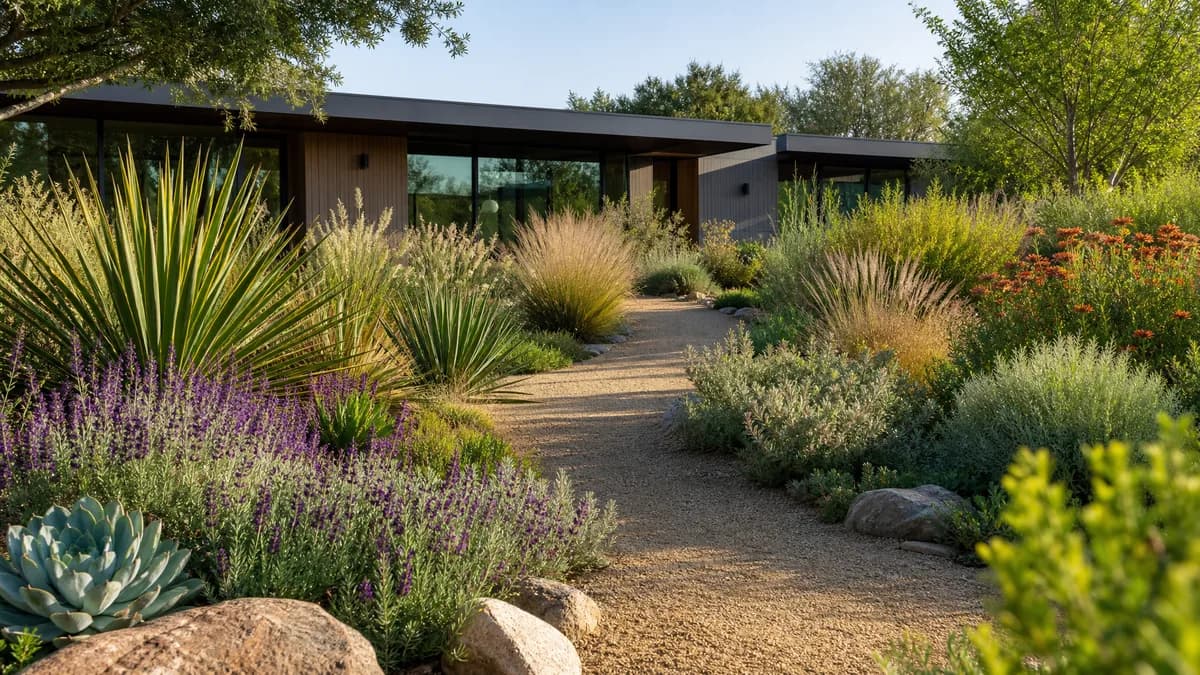
Drought-tolerant landscaping, sometimes called xeriscaping, is a design approach that minimizes or eliminates the need for supplemental watering once plants are established. It does not mean barren gravel lots or cacti-only gardens. Modern drought-tolerant design creates lush, layered, and colorful landscapes using plants adapted to thrive on natural rainfall.
The core principles include:
- Selecting plants that survive on available rainfall after establishment
- Grouping plants by water needs (hydrozoning)
- Using efficient irrigation for establishment and occasional deep watering
- Applying mulch to reduce evaporation
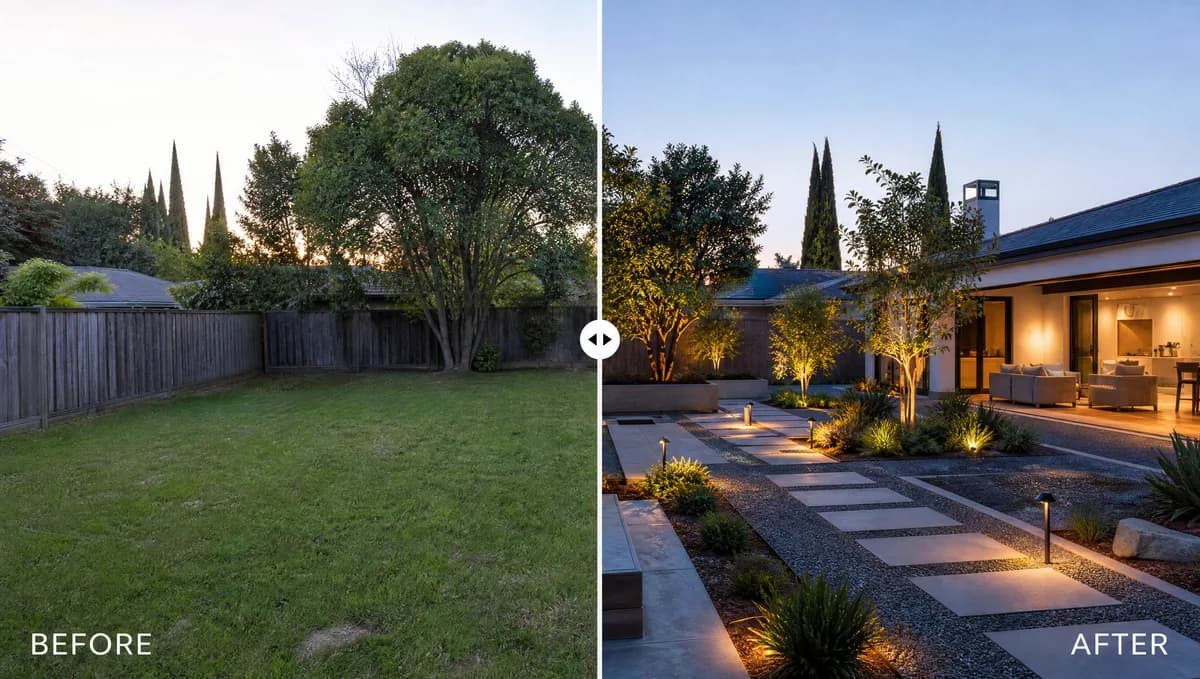
- Reducing or eliminating conventional turf grass
- Incorporating permeable hardscape to manage stormwater
Benefits Beyond Water Savings
A well-designed drought-tolerant garden delivers advantages that extend far beyond lower water bills:
Lower maintenance: Once established, these gardens require less mowing, less fertilizing, and less overall attention than traditional landscapes.
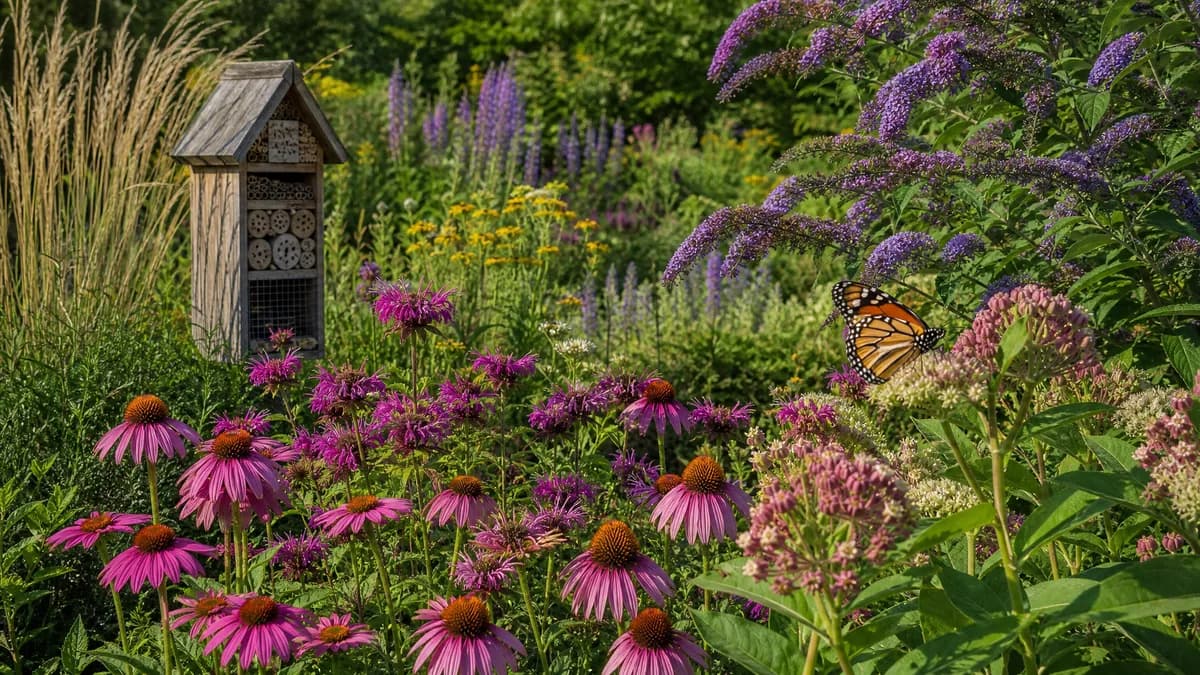
Wildlife habitat: Native and drought-adapted plants support pollinators, birds, and beneficial insects that traditional lawns cannot.
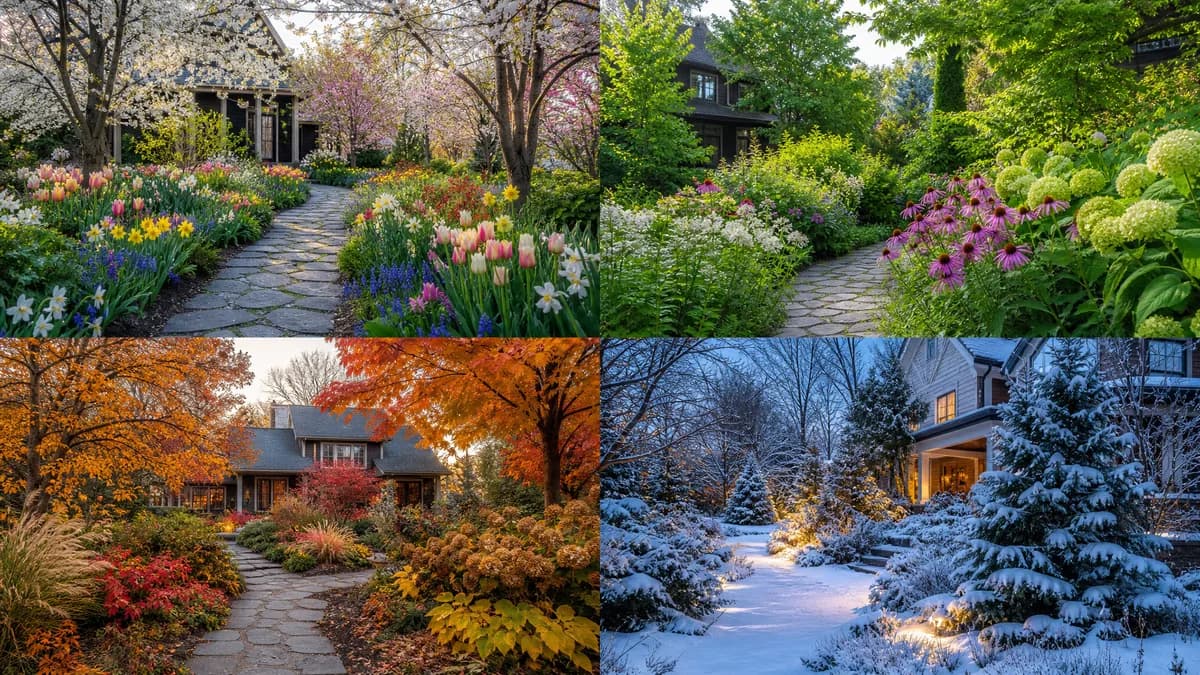
Year-round beauty: Many drought-tolerant plants offer interesting foliage, bark, or structural interest across all four seasons.
Increased property value: In water-conscious markets, drought-tolerant landscaping is increasingly seen as a premium feature.
Design Strategies That Work
Strategy 1: Create Hydrozones
Divide your yard into zones based on water availability and exposure:
- Oasis zone (near the house): A small area where you allow moderate watering for high-impact plants visible from indoor living spaces.
- Transition zone (middle): Plants that need occasional deep watering, typically native shrubs and perennials.
- Arid zone (perimeter): Plants that survive entirely on rainfall after establishment.
This approach lets you enjoy some water-loving favorites near windows and doorways while keeping overall consumption low.
Strategy 2: Replace Lawn with Purposeful Alternatives
Traditional turf grass is the single largest water consumer in most residential landscapes. Effective replacements include:
- Decomposed granite with stepping stones for pathways
- Native groundcovers like creeping thyme, dymondia, or native sedges
- Gravel gardens with specimen plants and boulders
- Artificial turf for play areas (if local regulations permit)
- Permeable pavers for patios and entertaining areas
Strategy 3: Use Structural Elements
Hardscape and structural elements reduce the planted area while adding visual interest:
- Dry creek beds manage stormwater runoff while adding natural beauty
- Boulder groupings create focal points with zero water requirements
- Retaining walls address grade changes and create planting pockets
- Corten steel planters add modern contrast to natural plantings
Explore our desert xeriscape and California drought-tolerant styles to see these strategies in action.
Top Drought-Tolerant Plants by Region
Western US & Mediterranean Climates
- Lavender (Lavandula) -- fragrant, pollinator-friendly, silver foliage
- Manzanita (Arctostaphylos) -- evergreen, beautiful bark, drought champion
- California poppy (Eschscholzia californica) -- brilliant orange, self-sowing annual
- Agave -- architectural, dramatic, nearly indestructible
- Olive tree -- evergreen, silver foliage, Mediterranean character
Southwest US
- Desert marigold (Baileya multiradiata) -- yellow flowers nearly year-round
- Palo verde (Parkinsonia) -- green-barked shade tree, yellow spring flowers
- Red yucca (Hesperaloe parviflora) -- coral flowers on arching stalks
- Ocotillo (Fouquieria splendens) -- dramatic, architectural, red-tipped
Southeast US & Humid Climates
- Lantana -- heat-loving, butterfly magnet, continuous bloom
- Muhly grass (Muhlenbergia capillaris) -- pink cloud-like fall plumes
- Coneflower (Echinacea) -- native, pollinator-friendly, long blooming
- Yaupon holly (Ilex vomitoria) -- native evergreen, adaptable
Irrigation for Drought-Tolerant Gardens
Even drought-tolerant plants need supplemental water during establishment (typically the first 1 to 2 growing seasons). After that, efficient irrigation strategies include:
- Drip irrigation delivers water directly to root zones with minimal waste
- Smart controllers adjust watering schedules based on weather data
- Deep, infrequent watering encourages roots to grow deep and access moisture reserves
- Rainwater harvesting captures roof runoff in cisterns for supplemental use
Visualize Your Water-Smart Garden
Not sure which drought-tolerant style fits your property? Upload a photo of your current yard to our AI landscape design tool and try styles like:
- Desert Xeriscape for arid, southwestern aesthetics
- California Drought-Tolerant for Mediterranean native gardens
- Modern Minimalist for clean, low-water contemporary design
- Prairie Native for Midwest-appropriate wildflower meadows
Each rendering is photorealistic and shows how your specific yard would look in the selected style.
Frequently Asked Questions
Is drought-tolerant landscaping more expensive to install? Initial costs are comparable to traditional landscaping. You may spend more on hardscape and less on irrigation. Long-term costs are significantly lower due to reduced water, fertilizer, and maintenance expenses.
How long until drought-tolerant plants are established? Most plants need regular watering for 1 to 2 growing seasons. Trees may take 2 to 3 years. After establishment, they survive on natural rainfall with occasional deep watering during extreme heat.
Can I have a beautiful garden without a lawn? Absolutely. Some of the most stunning residential landscapes in the world are lawn-free. The key is layered planting, interesting hardscape, and focal-point features.