
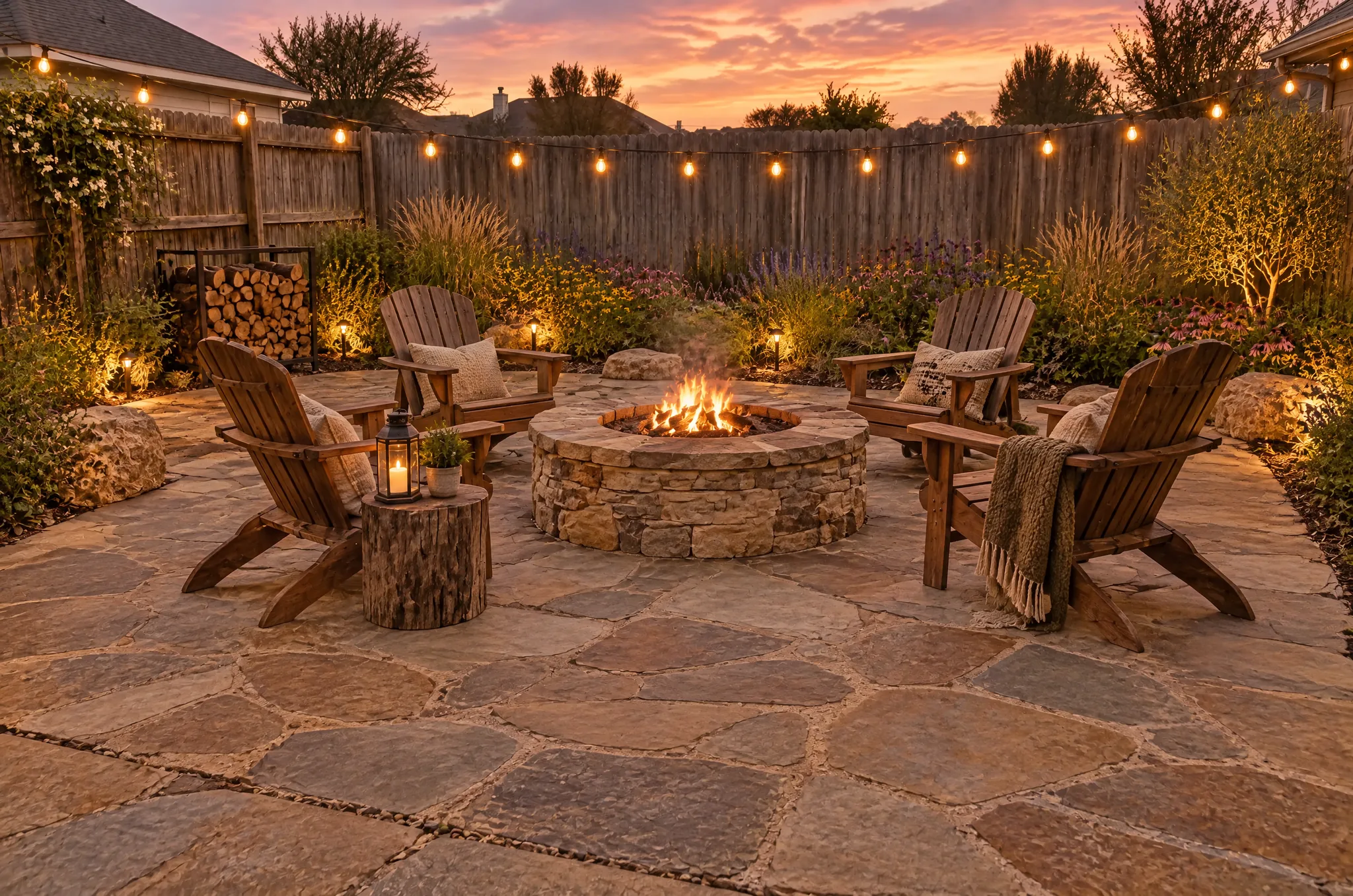
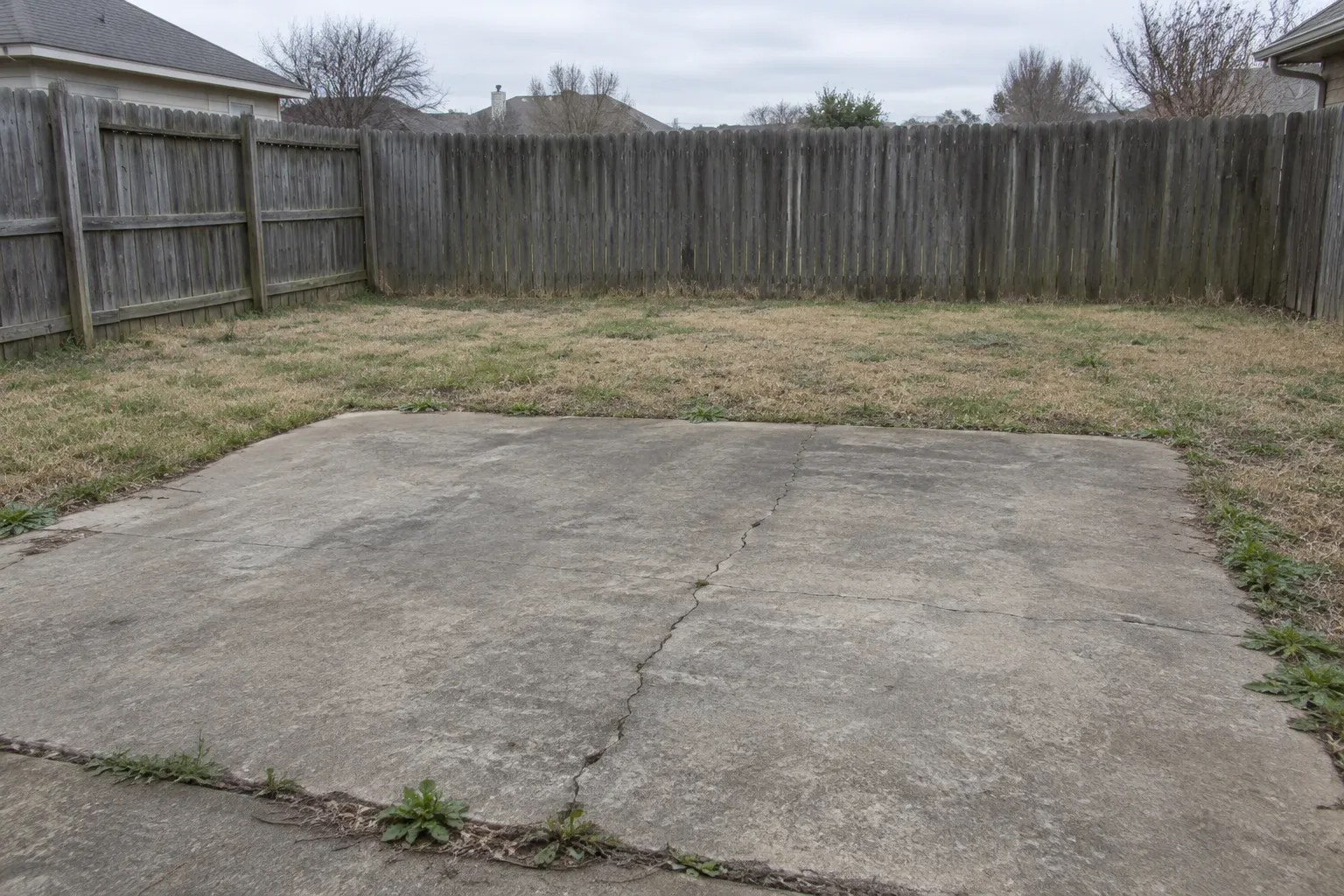
Design Philosophy
Rustic natural landscape design is the art of making a garden look like it was always there — as if the meadow, the stone wall, and the wildflowers arrived on their own and the homeowner simply had the good sense to leave them alone. Of course, this appearance of effortlessness requires considerable design intelligence. The style draws from the rural landscapes of the American countryside, the English wild garden movement championed by William Robinson in the 1870s, and the modern naturalistic planting philosophy of Piet Oudolf, whose public parks and private gardens prove that wild-looking plant communities can be deliberately designed for year-round beauty.
The philosophical foundation is ecological authenticity. Where formal gardens impose geometry on nature and contemporary styles impose industrial materials, the rustic natural approach collaborates with the existing site — its soil, its native plants, its topography, its light patterns. Reclaimed timber, fieldstone, and local aggregate replace manufactured materials. Wildflower meadows replace mowed lawns. Self-seeding perennials replace regimented bedding schemes. The result is a landscape that feels rooted in its geography rather than imported from a showroom.
The style has surged in popularity through the 2020s as homeowners, municipalities, and conservation organizations recognize that naturalistic landscapes support biodiversity, reduce water consumption, and require far less maintenance than conventional gardens. A well-designed rustic natural garden is not a neglected garden — it is a garden where the designer has chosen to work with ecological processes rather than against them, creating beauty through abundance, texture, and seasonal change rather than through control.
Key Design Elements
- Wildflower Meadow Planting — Native and adapted wildflowers sown or plugged in naturalistic drifts that change character through the seasons, replacing conventional lawn.
- Reclaimed and Weathered Materials — Barn wood, fieldstone, split-rail fencing, and salvaged timber give hardscape elements the patina of age and the character of handcraft.
- Natural Stone Seating and Walls — Dry-stacked fieldstone walls, boulder seats, and stone slabs provide gathering points that feel geological rather than manufactured.
- Layered Native Planting — Canopy trees, understory shrubs, perennials, and groundcovers arranged in the vertical layers that mimic natural woodland and meadow ecosystems.
- Meandering Pathways — Mown grass paths, bark-chip trails, or stepping stones set in gravel that curve through planting rather than cutting straight lines across the landscape.
- Wildlife Habitat Integration — Log piles, stone cairns, bird baths, bee hotels, and pollinator-friendly planting that support local ecosystems as a design feature, not an afterthought.
- Seasonal Seed Head Retention — Spent flower heads and grass plumes are left standing through winter for architectural interest, frost beauty, and bird food — not cut down in autumn.
- Rustic Structures — Pergolas, arbors, and garden sheds built from reclaimed or rough-sawn timber with visible joinery and weathered finishes.
Recommended Plants & Materials
Plants
- Meadow Perennials: Black-eyed Susan (Rudbeckia fulgida), purple coneflower (Echinacea purpurea), wild bergamot (Monarda fistulosa) — bold native wildflowers that self-seed and attract pollinators in massive numbers
- Ornamental Grasses: Little bluestem (Schizachyrium scoparium), switchgrass (Panicum virgatum), prairie dropseed (Sporobolus heterolepis) — native grasses that provide four-season structure from spring green through copper autumn to frost-silvered winter
- Woodland Understory: Ferns (Dryopteris, Athyrium), wild columbine (Aquilegia canadensis), foam flower (Tiarella cordifolia) — shade-tolerant natives for the woodland floor beneath canopy trees
- Specimen Trees: Red oak (Quercus rubra), sugar maple (Acer saccharum), paper birch (Betula papyrifera) — native canopy trees that anchor the landscape and provide structure across all seasons
- Shrub Layer: Winterberry holly (Ilex verticillata), viburnum (Viburnum dentatum), spicebush (Lindera benzoin) — wildlife-supporting deciduous shrubs with multi-season interest
- Groundcover: Creeping phlox (Phlox subulata), wild strawberry (Fragaria virginiana), Pennsylvania sedge (Carex pensylvanica) — low-growing natives that suppress weeds and soften stone edges
- Climbers: Virginia creeper (Parthenocissus quinquefolia), trumpet vine (Campsis radicans) — vigorous native vines for pergolas and rustic fences. Give trumpet vine a sturdy freestanding arbor or metal support and dig out suckers promptly: it spreads by underground runners, and its aerial rootlets can damage wood siding and mortar, so keep it off the house and off wooden fences
Materials & Colors
- Timber: Reclaimed barn wood for pergolas, benches, and raised beds; rough-sawn cedar for fences and garden structures — all left unfinished to weather naturally
- Stone: Local fieldstone for dry-stacked walls and boulders; natural flagstone for stepping paths; river rock for dry creek beds and drainage features
- Ground Plane: Bark chip mulch, mown grass paths through meadow, and decomposed granite for secondary paths
- Metalwork: Wrought iron gate hardware, aged copper garden lanterns, and galvanized steel watering troughs repurposed as planters
- Color Palette: Weathered gray wood, warm fieldstone tones, meadow greens, wildflower golds and purples, autumn copper and russet — a palette drawn entirely from the natural landscape
Best For
Rustic natural landscape design suits homeowners who see their garden as a living ecosystem rather than an outdoor showroom. It works especially well for:
- Rural and suburban properties with generous space — the style's meadow planting and layered structure need room to breathe; cramped urban lots struggle to achieve the natural density that defines the look
- Conservation-minded homeowners — gardeners who want to support native pollinators, birds, and beneficial insects while reducing chemical inputs and water consumption
- Properties with existing mature trees — an established tree canopy provides the starting point for the woodland understory layer that gives rustic natural gardens their sense of permanence
- USDA zones 3–8 — the native plant palette thrives in temperate climates with distinct seasons; the style's emphasis on winter seed heads and autumn color requires cold-season dormancy
In warmer climates (zones 9–11), the approach adapts by substituting regional native species — desert wildflowers, coastal meadow grasses, or subtropical woodland plants — while retaining the core principles of layered native planting, reclaimed materials, and ecological design. The philosophy is universal even when the specific plant list changes.
Budget Guide
| Level | Scope | Estimated Cost (USD) |
|---|---|---|
| DIY | Wildflower meadow seed mix + mown paths + fieldstone seating boulders + reclaimed wood bench + log pile habitat | $800 – $2,500 |
| Mid-Range | Professional meadow installation + fieldstone wall + bark-chip paths + native tree and shrub planting + rustic pergola | $5,000 – $12,000 |
| Premium | Designer naturalistic landscape with mature native specimens, custom reclaimed-timber structures, boulder water feature, and professional meadow establishment | $15,000 – $35,000 |
The rustic natural style is one of the most budget-friendly approaches in landscape design. Wildflower seed is inexpensive; reclaimed materials are often free or low-cost from demolition sites and agricultural surplus; and native plants, once established, eliminate irrigation, fertilizer, and most pest-management expenses. Native meadow seed mixes of grasses and wildflowers are often priced under $750 per acre, far below plugs, while a dry-stacked fieldstone wall is the big-ticket item at roughly $20–$80 per square foot installed (HomeGuide's 2026 range, including the gravel base). Treat those as national guides; stone and labor vary by region. The biggest investment is patience — a seeded meadow takes about three years to establish, and some species may not flower until year five to seven. Native trees need five to ten years to develop the canopy presence that defines the style's character.
Maintenance Level
Low — The rustic natural garden is designed to be managed rather than manicured. Once established, native plantings are self-sustaining — they do not need irrigation, fertilization, or pest control in most conditions. The key maintenance tasks follow natural seasonal rhythms rather than fighting them.
Spring is the primary work window: cut back last year's grass and perennial stems before new growth emerges (leave them standing through winter for wildlife habitat and visual interest). Mow meadow paths to maintain circulation routes. Remove any invasive species seedlings before they establish. Summer requires almost no intervention — let the meadow bloom, the grasses wave, and the pollinators work. Fall is for seed collection if you want to expand meadow areas. Once the meadow is in its third season, mow it once a year to 6–12 inches, either in late winter or early spring before new growth or in late fall, to keep woody seedlings from taking over; skip the fall mow if you want to leave stems standing for wildlife. In year one, mow more often instead: cut to about 8 inches whenever growth reaches 12–18 inches, so seedlings are not shaded out. Winter is for appreciation: frosted seed heads, bare branch architecture, and the quiet beauty of a garden resting.
FAQ
How long until a seeded wildflower meadow looks full?
Plan on about three years. The first year goes into site preparation (smothering existing turf under plastic or cardboard through the summer is a common method), and young seedlings stay small and low while they build roots. Expect some species to take until years five to seven to flower.
How do I keep a rustic garden from looking neglected?
Give the wildness a frame: a mown path through the meadow, a clean edge along the lawn, stone or timber seating that looks deliberate, and a fence, wall, or arbor to anchor the planting. Mow once a year after the third season to hold back woody seedlings.
Can I put trumpet vine on a rustic fence or porch?
Not on a house or a wooden fence. It is a vigorous native that suckers freely and climbs with aerial rootlets that can damage wood and mortar. Use a freestanding metal arbor or pergola, and remove suckers as they appear.
Sources
Facts were checked against these references in October 2026. Prices are 2026 national cost-guide figures and vary by region.
- UNH Extension — Establishing a wildflower meadow from seed
- Xerces Society — Mid-Atlantic native meadows guidelines
- University of Delaware Cooperative Extension — Establishing meadows from seed
- Missouri Botanical Garden — Campsis radicans
- UF/IFAS Extension — Campsis radicans (trumpet vine)
- HomeGuide — Stone retaining wall cost (2026)
- Design Your Wild — Seeding a meadow (seed mix cost)
Try It Now
Upload your photo and see your space transformed into Rustic Natural style in seconds — free to try.