
Design Philosophy
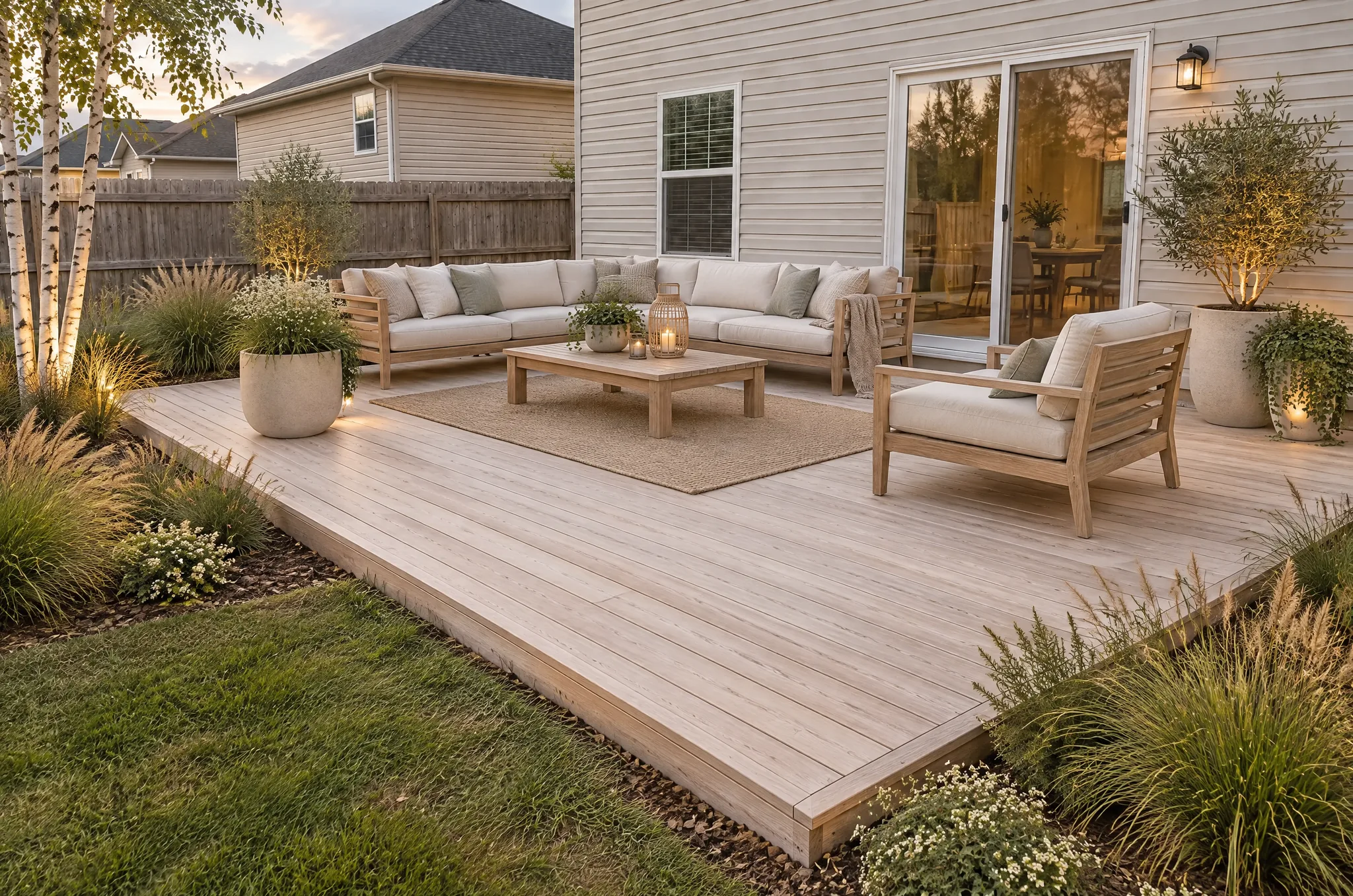
Scandinavian landscape design is rooted in friluftsliv — the Nordic concept of open-air living that treats time outdoors not as recreation but as essential to well-being. Long before "hygge" became a global design buzzword, Danish and Swedish gardeners were shaping outdoor spaces that invited lingering: fire bowls on gravel terraces, wool throws draped over simple benches, and planting schemes that looked beautiful under snow as well as summer sun. The philosophy is practical first — every element must earn its place through function, beauty, or both.
The style emerged from a climate that demands resilience. Winters are long, light is precious, and the outdoor season must be extended rather than surrendered. Scandinavian landscape designers responded by creating gardens that transition gracefully through seasons: silver birch trunks glow against gray skies, feather reed grass holds its structure through frost, and evergreen dwarf spruces provide anchor points when deciduous plants drop their leaves. Materials are deliberately left untreated — larch and pine weather to a silvery gray that harmonizes with the natural palette rather than fighting it.
In the 2010s and 2020s, Scandinavian landscape design gained international attention as homeowners everywhere sought alternatives to high-maintenance formal gardens. The appeal is democratic: you do not need a large estate to achieve the look. A compact courtyard with gravel underfoot, a single birch specimen, and a galvanized steel planter can carry the entire aesthetic. Function and beauty are not competing priorities — they are the same priority, and that clarity is what makes the style endure.
Key Design Elements
- Natural Material Honesty — Untreated timber, raw galvanized steel, and light gravel are left to weather naturally rather than sealed, painted, or disguised.
- Seasonal Structure — Planting schemes are designed to look intentional in all four seasons, with evergreen anchors, persistent grasses, and deciduous specimens chosen for bark and branch character.
- Outdoor Room Logic — Terraces, fire pits, and seating areas are treated as outdoor rooms with defined boundaries, often edged in timber or steel rather than left as open lawn.
- Restrained Color — The palette stays within whites, pale grays, sage greens, and natural wood tones. Color arrives through plants — lavender spikes, lingonberry red — rather than painted surfaces.
- Functional Furnishings — Benches, planters, and pergolas prioritize clean lines and durability over ornament. Sheepskin throws and wool textiles add warmth without clutter.
- Light Gravel Ground Plane — Pale gravel or crushed stone replaces lawn in many Scandinavian gardens, reducing maintenance while reflecting available light upward on short winter days.
- Low Hedges and Masses — Rather than tall formal hedging, the style favors low masses of lavender, dwarf spruce, and ornamental grasses that define space without blocking light or views.
Recommended Plants & Materials
Plants
- Specimen Trees: Silver birch (Betula pendula, zones 2–7 and best in cool, moist sites — it is highly susceptible to bronze birch borer, so in hot or dry summers consider river birch, Betula nigra, which has very low susceptibility), dwarf Norway spruce (Picea abies 'Nidiformis', zones 3–7, a slow 2–8 ft mound), Swedish whitebeam (Sorbus intermedia)
- Perennials & Herbs: English lavender (Lavandula angustifolia), wild strawberry (Fragaria vesca), hostas (Hosta spp.)
- Ornamental Grasses: Feather reed grass (Calamagrostis × acutiflora 'Karl Foerster', reliable in zones 5–9 and cut to the ground in late winter before new shoots appear), blue fescue (Festuca glauca), tufted hair grass (Deschampsia cespitosa)
- Groundcover & Succulents: Sedum (Sedum spp.), creeping thyme (Thymus serpyllum), moss (Bryophyta spp.) in shaded pockets
- Berries & Edibles: Lingonberry (Vaccinium vitis-idaea, needs acidic soil around pH 4.3–5.5 and well-drained, sunny beds), lowbush blueberry (Vaccinium angustifolium), rhubarb (Rheum rhabarbarum) as structural accent
Materials & Colors
- Timber: Untreated larch or pine for decking, benches, and raised beds — larch weathers to silvery gray in roughly 1–3 years; detail boards so water drains, because larch heartwood is only moderately durable
- Gravel & Stone: Light gray or white crushed gravel, granite setts, and smooth river stones for paths and ground planes
- Metalwork: Galvanized steel planters, corten steel fire bowls, and simple steel edging
- Garden Sauna & Soaking Tub: A timber-clad cabin sauna and a wooden tub on the deck turn the garden into a year-round retreat, though they add electrical work and a level base to the budget
- Textiles: Sheepskin throws, wool blankets, and outdoor cushions in natural cream and gray tones
- Color Palette: White, pale gray, sage green, natural wood, and soft lavender — with occasional charcoal accents for contrast
Best For
Scandinavian landscape design suits homeowners who want to use their outdoor space across as much of the year as possible — not just summer. It works especially well for:
- Cool-climate gardens — USDA zones 3–7 and equivalent northern European conditions where hardiness and winter interest matter
- Small urban courtyards and townhouse gardens — the restrained palette and compact plant selections scale down without losing impact
- Families who cook and gather outdoors — fire pits, gravel terraces, and durable furnishings support real daily use rather than occasional display
- Low-maintenance advocates — gravel ground planes, hardy natives, and untreated timber eliminate most recurring upkeep
The style adapts beyond its Nordic origins. In warmer climates, swap birch for crepe myrtle or olive, replace lingonberry with low-growing rosemary, and the spatial logic — outdoor rooms, natural materials, seasonal structure — transfers cleanly. The goal is not to replicate a Swedish forest but to apply the underlying principles of function, warmth, and seasonal honesty to your own site.
Budget Guide
| Level | Scope | Estimated Cost (USD) |
|---|---|---|
| DIY Weekend | Gravel terrace + fire bowl + birch specimen + lavender mass planting + simple timber bench | $2,000 – $5,000 |
| Mid-Range | Professional gravel installation + timber decking + steel planters + irrigation + lighting | $8,000 – $18,000 |
| Premium | Designer outdoor room with custom timber structures, built-in seating, premium gravel, and landscape lighting | $20,000 – $45,000 |
Untreated timber is generally less expensive than hardwood alternatives, and light gravel is a cost-effective ground plane. If you add a sauna, budget separately: HomeGuide lists prefab outdoor saunas at about $5,500–$14,500 installed and custom-built ones at $12,000–$34,000, which is why the Premium tier above does not include one. The biggest savings come from embracing weathering — skipping stain, sealant, and annual refinishing cycles that inflate long-term costs in other styles.
Maintenance Level
Low — Scandinavian gardens are built around hardy plants and self-sufficient materials. Gravel surfaces need occasional raking and weed seedling removal. Untreated timber weathers naturally without staining or sealing. Ornamental grasses require a single cutback in late winter or early spring.
Seasonal tasks are minimal and predictable: spring grass cutback and gravel refresh, summer lavender deadheading after the first bloom flush, fall leaf removal from gravel surfaces, and winter enjoyment of evergreen structure and frost-covered seed heads that the design deliberately leaves standing.
FAQ
Is silver birch a good choice for my yard?
Silver birch (Betula pendula) gives the classic Nordic white trunk, but NC State Extension rates it for USDA zones 2–7 and short-lived in zones 8–9. The Morton Arboretum says it is very susceptible to bronze birch borer and does not recommend it anywhere in the Midwest, and University of Minnesota material rates it highly susceptible while river birch (Betula nigra) is very low. Plant it only in cool, moist sites, mulch and water deeply in dry spells, or choose river birch where summers are hot.
What soil do lingonberries need?
Oregon State Extension recommends a light, well-drained soil with a pH of 4.3–5.5 and lowers high pH with elemental sulfur; lingonberries are also sensitive to salt and high calcium. Oregon State's landscape-plant profile lists the garden form as hardy to zone 5 and the low-growing wild variety (var. minus) to zone 2. In alkaline or clay soil, grow them in a raised bed or container filled with acidic, well-drained mix.
Will untreated larch decking last?
Untreated larch turns silvery gray within roughly 1–3 years, which is a surface change. Larch heartwood is moderately durable (EN 350 class 3), and a Scottish supplier quotes 10–15+ years for correctly installed decking; a European decay study found larch heartwood unaffected after 10 years when water could drain and sapwood was removed. Keep boards off the ground and leave gaps for drainage.
How much does a backyard sauna cost?
HomeGuide lists prefab outdoor saunas at about $5,500–$14,500 installed and custom-built saunas at $12,000–$34,000 (2026). Electrical work and a level foundation are the biggest variables; leveling a yard alone is listed at $300–$1,000. Check local permit rules before ordering.
Sources
Plant and cost facts were checked against these references (October 2026). Costs are national averages and vary by region and site conditions.
- NC State Extension — Betula pendula (zones 2–7, bronze birch borer)
- The Morton Arboretum — European white birch
- University of Minnesota — Bronze birch borer susceptibility table
- Missouri Botanical Garden — Picea abies 'Nidiformis' (zones 3–7)
- Missouri Botanical Garden — Calamagrostis × acutiflora 'Karl Foerster' (zones 5–9, late-winter cutback)
- Oregon State Extension — Lingonberry production guide (soil pH 4.3–5.5)
- Oregon State University — Vaccinium vitis-idaea landscape plant profile
- Forest Research (UK) — Wood properties and uses of larch
- Scottish Wood — Larch decking (supplier lifespan and weathering)
- Performance of European wood species above ground after 10 years of weathering
- HomeGuide — Home and outdoor sauna cost (2026)
Try It Now
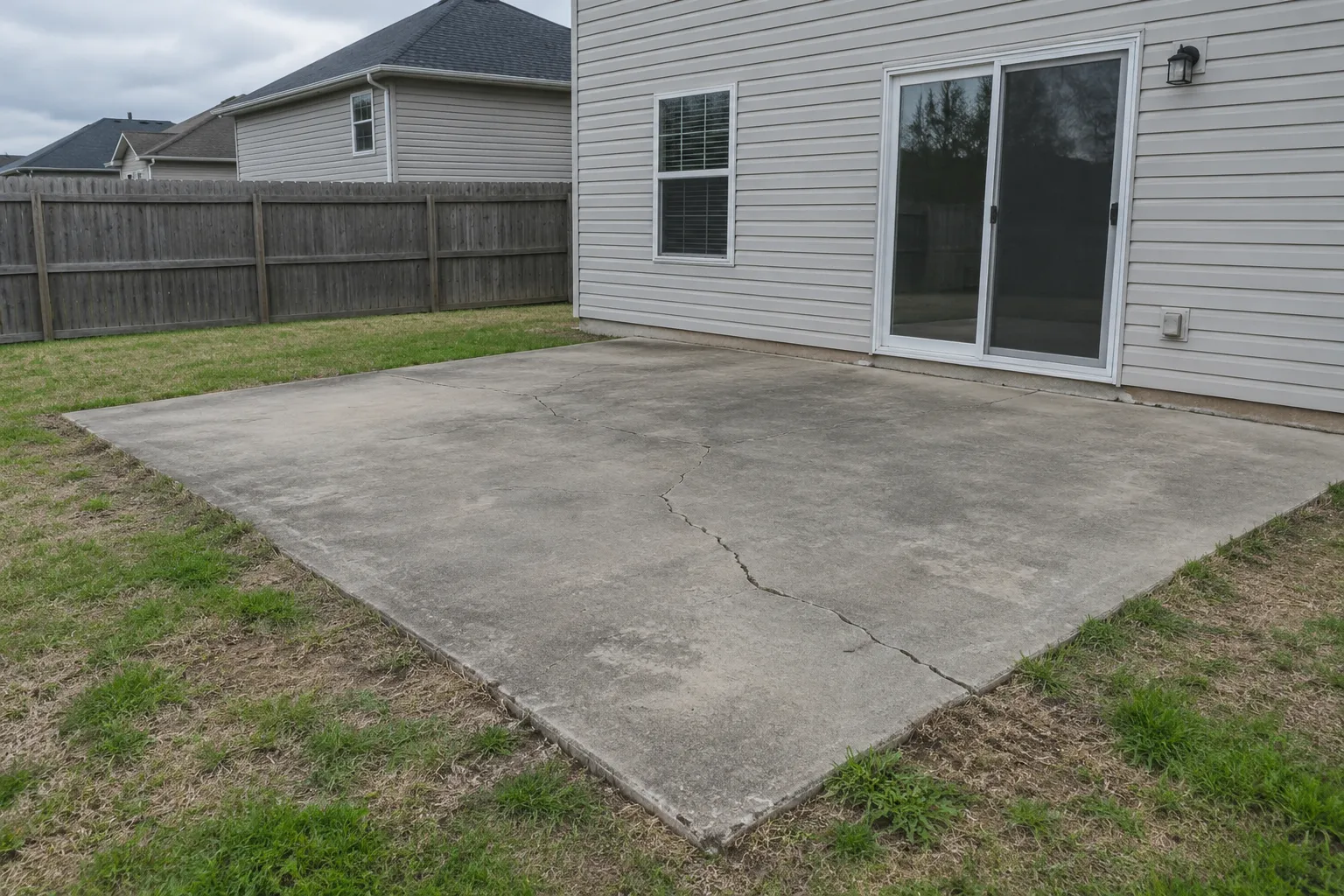
Upload your photo and see your space transformed into Scandinavian Landscape style in seconds — free to try.