
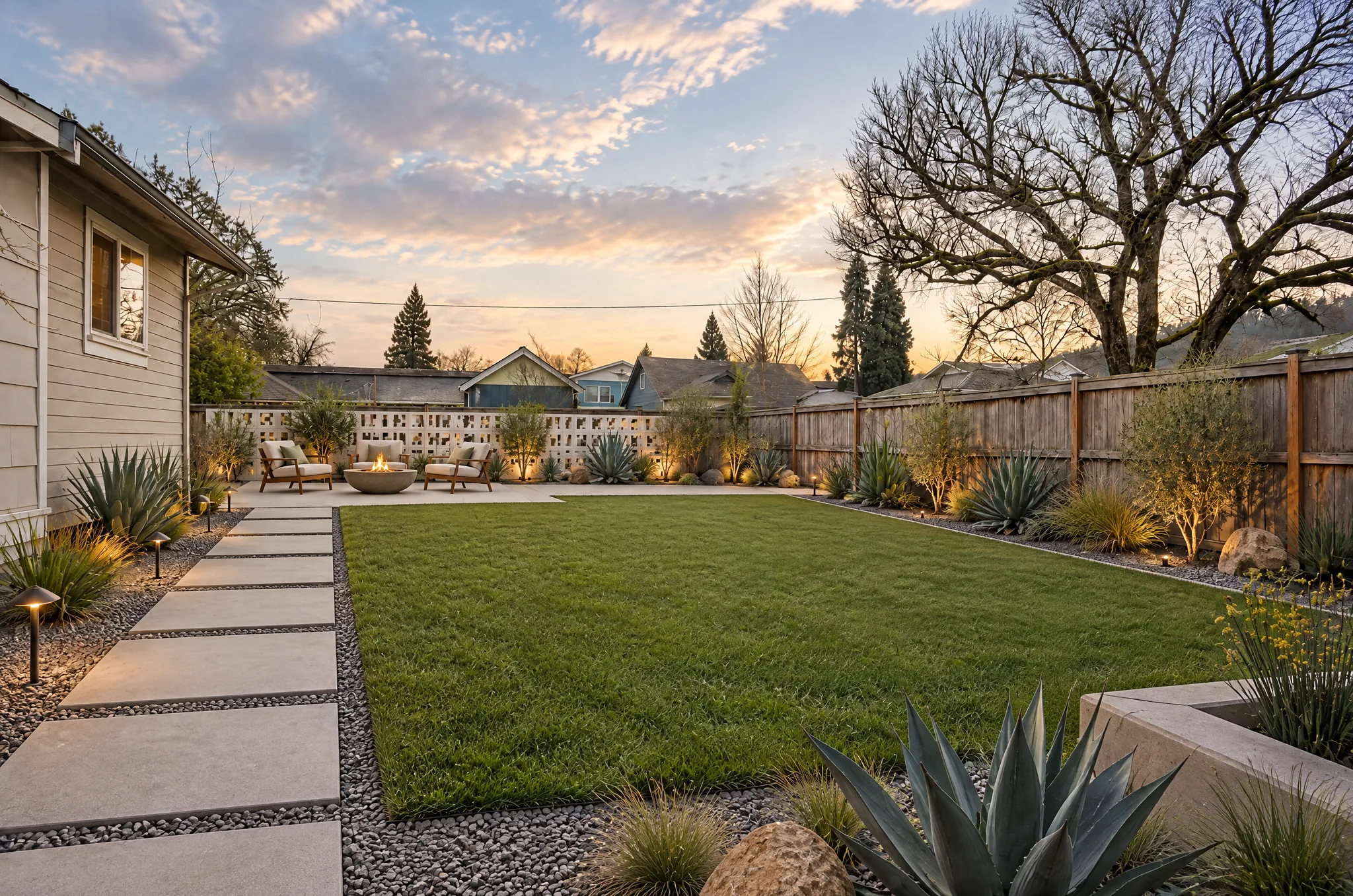
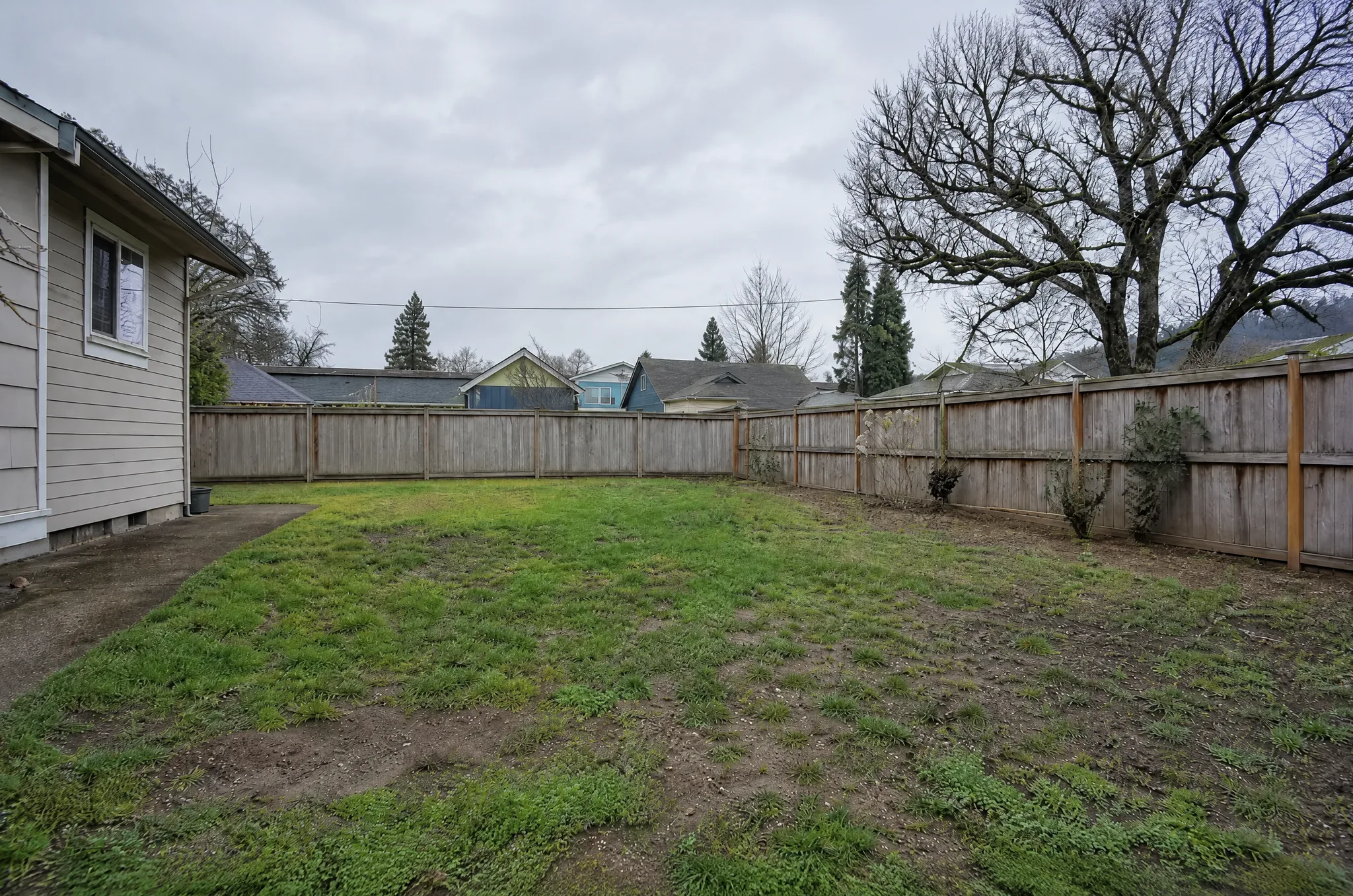
Design Philosophy
Mid-century modern landscape design emerged between 1945 and 1970 alongside the architecture that defines the era — flat rooflines, floor-to-ceiling glass, post-and-beam construction, and open floor plans that treated the outdoors as one more room in the house. Landscape architects like Thomas Church, Garrett Eckbo, and James Rose rejected the formal symmetry of earlier garden traditions and instead embraced geometric abstraction, honest materials, and functional outdoor living spaces that served the way families actually lived. The underlying principle was integration: the landscape should extend the architecture's lines, materials, and spatial logic rather than decorating around them.
The philosophy drew on modernist ideals of honesty and restraint. Materials were used for what they were — concrete looked like concrete, wood weathered naturally, steel stayed exposed — rather than being disguised or ornamented. Planting was treated as architectural composition: bold sculptural forms repeated in disciplined masses, with foliage structure valued over fleeting flower displays. Open space was a deliberate design element, not leftover area. The result was a landscape that felt clean, intentional, and intimately connected to the house it surrounded.
Today, mid-century modern landscaping is experiencing a powerful revival as homeowners restore period homes and seek landscape designs that honor the original architectural intent. Contemporary interpretations maintain the geometric clarity and material honesty while adapting plant palettes for modern climate conditions, water restrictions, and sustainability expectations. The style translates well to new construction, too — any home with clean horizontal lines, large windows, and an open relationship between indoor and outdoor space can benefit from mid-century landscape principles.
Key Design Elements
- Strong Geometric Hardscape — Rectangular patios, grid-laid pavers, and linear pathways that echo the home's architectural geometry and extend interior floor planes outward.
- Indoor-Outdoor Flow — Large sliding doors, flush thresholds, and continuous material planes that blur the boundary between house and yard.
- Breeze Block Screens — Decorative concrete screen block (also called breeze block) used as privacy screens, patio dividers, or garden walls — the single most iconic mid-century landscape detail.
- Sculptural Plant Massing — Architectural plants grouped in single-species masses rather than mixed borders, valued for year-round silhouette over seasonal bloom.
- Low Horizontal Lines — Planting heights kept below window sills, low seat walls, and ground-hugging groundcovers that preserve the home's characteristic horizontal profile.
- Honest Material Expression — Exposed aggregate concrete, natural stone, weathering steel, and unfinished wood used without disguise or applied ornament.
- Negative Space as Design — Gravel planes, open lawn panels, and unplanted areas treated as intentional compositional elements rather than gaps.
- Restrained Lighting — Low-voltage path lights, uplighting on specimen plants, and warm-toned fixtures in metal finishes that match the home's hardware.
Recommended Plants & Materials
Plants
- Sculptural Succulents: Agave (Agave americana, Agave attenuata) — dramatic rosettes that hold their geometric form year-round with virtually zero maintenance
- Architectural Spikes: Yucca (Yucca rostrata, Yucca filamentosa) and New Zealand Flax (Phormium tenax) — sword-like leaves that provide vertical accent and strong silhouette
- Statement Palms: Mexican fan palm (Washingtonia robusta) and California fan palm (Washingtonia filifera) for the tall, slender Palm Springs skyline (hardy roughly in USDA zones 9–11); European fan palm (Chamaerops humilis) and pindo palm (Butia capitata) for smaller lots and cooler zones — clean trunks and strong crowns that deliver the iconic mid-century vertical element
- Ornamental Grasses: Muhly grass (Muhlenbergia capillaris), feather grass (Stipa tenuissima), Karl Foerster grass (Calamagrostis × acutiflora 'Karl Foerster') — upright forms that soften hard edges without breaking the geometry, planted in long bands rather than scattered clumps
- Low Groundcovers: Sedum varieties, mondo grass (Ophiopogon japonicus), blue fescue (Festuca glauca), dymondia (Dymondia margaretae) — clean carpets that define beds and replace traditional lawn where appropriate
- Structural Shrubs: Boxwood (Buxus sempervirens) for geometric hedges, Japanese black pine (Pinus thunbergii) pruned in cloud form for sculptural focal points
- Seasonal Statement: Ornamental allium (Allium 'Globemaster', Allium 'Purple Sensation') — perfectly spherical heads on bare stems that deliver an almost surreal moment of form and color in late spring
Materials & Colors
- Concrete: Large-format pavers in grid layouts with gravel or grass joints, exposed aggregate panels with clean control joints, poured concrete with board-formed texture — the signature mid-century hardscape material
- Gravel & Decomposed Granite: Pale grey or warm tan decomposed granite for ground planes, pea gravel for secondary paths and planting bed mulch
- Breeze Block: Decorative concrete screen block in geometric patterns for privacy walls, patio dividers, and garden screens — painted white or left pale grey so the open pattern casts crisp shadows on the ground
- Pool Surrounds: Free-form or kidney-shaped pools edged with pale exposed-aggregate concrete or crushed gravel, a layout borrowed from 1950s Palm Springs and Los Angeles backyards
- Wood: Horizontal slat fencing in cedar or ipe, slatted privacy screens, and simple pergola structures — all left to weather naturally or finished in clear sealant
- Metal: Corten (weathering) steel for planters and edging, brushed aluminum for light fixtures, aged brass for hardware accents
- Color Palette: Concrete grey, desert sand, olive green, charcoal, and terracotta — a restrained palette that lets plant architecture and material texture carry the visual interest
Best For
Mid-century modern landscape design works for homeowners who appreciate clean geometry, material honesty, and outdoor spaces that function as architectural extensions of the home. It is especially well-suited for:
- Owners of 1945–1970 mid-century homes — the style has strong historical precedent and dramatically enhances the indoor-outdoor connection these homes were designed around
- Modern and contemporary homes with clean lines — any architecture featuring flat or low-slope rooflines, large windows, and horizontal emphasis benefits from mid-century landscape principles
- Warm and dry climates (USDA zones 8–11) — the sculptural succulent and palm palette thrives in Mediterranean, desert, and subtropical conditions, though cold-climate substitutions are readily available
- Low-maintenance gardeners — the emphasis on structural plants over flowering perennials means less deadheading, less seasonal replanting, and lower water requirements
- Homeowners who value indoor-outdoor living — if your goal is an outdoor space that feels like a room rather than a yard, mid-century principles deliver that integration better than almost any other style
Budget Guide
- DIY / Budget ($3,000–$8,000): Decomposed granite ground plane, a few specimen agave or yucca from a nursery, concrete stepping stones in a grid, and a simple breeze-block screen. Focus on one area — a patio edge or front entry — rather than trying to do the entire property.
- Mid-Range ($12,000–$30,000): Professional patio in exposed aggregate or large-format pavers, planted beds with massed grasses and sculptural succulents, horizontal slat fencing, low-voltage landscape lighting, and a breeze-block feature wall. Covers a typical backyard transformation.
- Professional ($40,000–$100,000+): Complete landscape by a designer specializing in mid-century homes — custom poured concrete with board-formed walls, Corten steel planters, specimen palms and mature trees, integrated outdoor kitchen or fire feature, and professionally designed lighting that highlights architectural and plant form after dark.
Maintenance Level
Low to Medium. The strength of mid-century modern landscaping is its reliance on structural plants that hold their form year-round with minimal intervention. Succulents and ornamental grasses need one hard cutback annually (late winter for grasses). Palms require occasional frond removal. The hardscape-heavy design means less weeding and no lawn-mowing if you replace turf with gravel or groundcover. The primary ongoing task is keeping clean lines clean — edging beds, sweeping gravel back into place, and occasionally pressure-washing concrete surfaces.
FAQ
What is a breeze block wall and how much does it cost?
Breeze block (decorative concrete screen block) is a perforated 12-inch-square concrete unit stacked into a see-through wall that gives privacy while letting air and light pass. Specialty U.S. retailers list 12-inch blocks at around $24 each (bulk orders and basic patterns can run lower), and a finished wall costs considerably more once a mason and a steel-reinforced footing are included. Breeze blocks are non-structural: walls over about 42 inches generally need reinforced columns at roughly 10-foot intervals, many cities require a permit above 3.5–4 feet, and anything over 6 feet needs a structural engineer.
Which palms work best in a mid-century modern yard?
Tall, thin-trunked fan palms such as Mexican fan palm (Washingtonia robusta) give the classic Palm Springs silhouette in zones 9–11, but they can reach 70–100 feet, so keep them well away from the house and power lines. California fan palm (Washingtonia filifera) is shorter (typically 40–60 feet) with a thicker trunk and is better suited to dry Southwest yards. For smaller yards or colder zones, pindo palm or European fan palm is easier to manage.
Can I get this look without a pool?
Yes. The pool's role in the style is a large, calm, free-form shape set into open pale ground. A gravel court with a low concrete seat wall, a few lounge chairs under an umbrella, and a breeze block screen delivers the same relaxed, horizontal composition at a fraction of the cost.
Sources
Facts on palms, breeze block pricing, and wall construction were checked against these references (October 2026). Prices are retailer listings and vary by region, pattern, and quantity.
- University of Florida IFAS — Washingtonia robusta (Mexican fan palm)
- University of Florida IFAS — Washingtonia filifera (desert palm)
- NY Cement Tile — 12×12 breeze block listing
- Tesselle — Breeze block installation instructions
- City of Pasadena — Standard concrete masonry block wall (permit above 48 in.)
Try It Now
Upload your photo and see your space transformed into Mid-Century Modern style in seconds — free to try. Our AI tool renders the geometric hardscape, sculptural plantings, and clean material palette directly onto your existing yard.