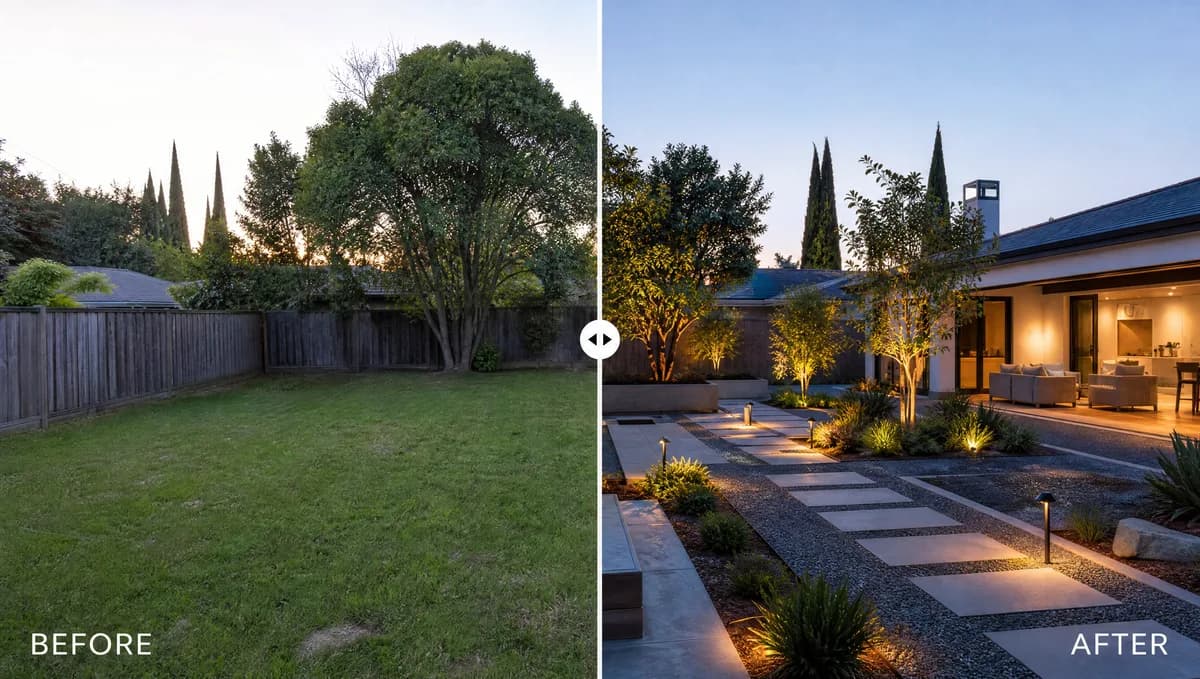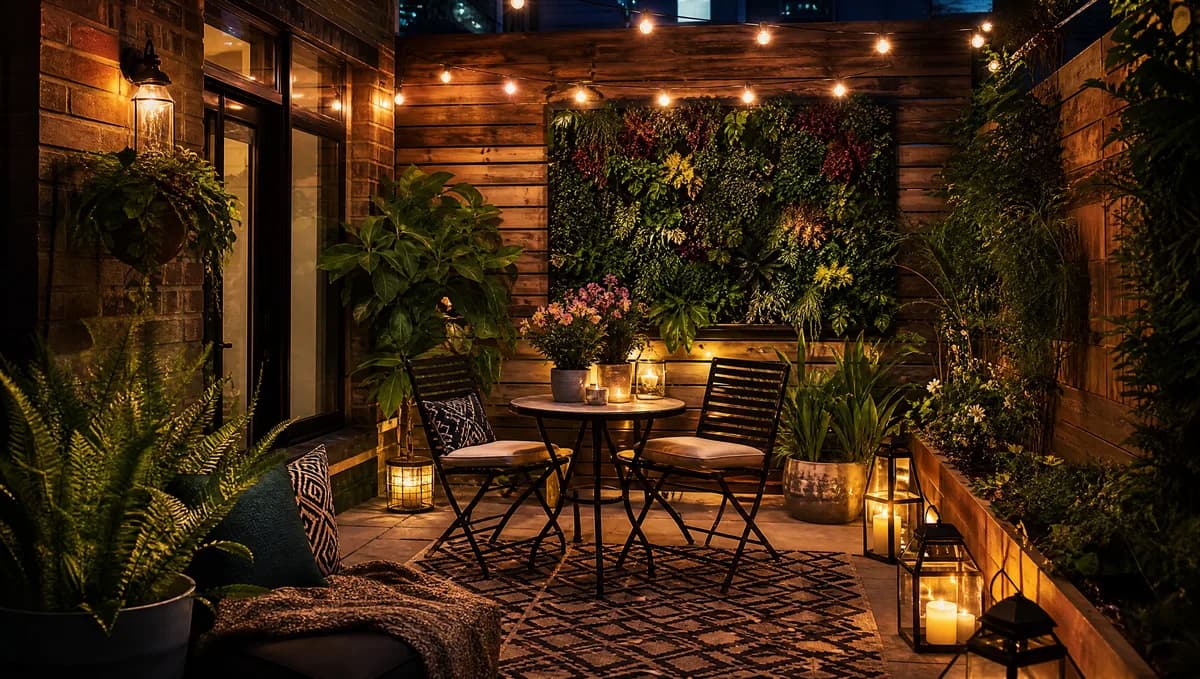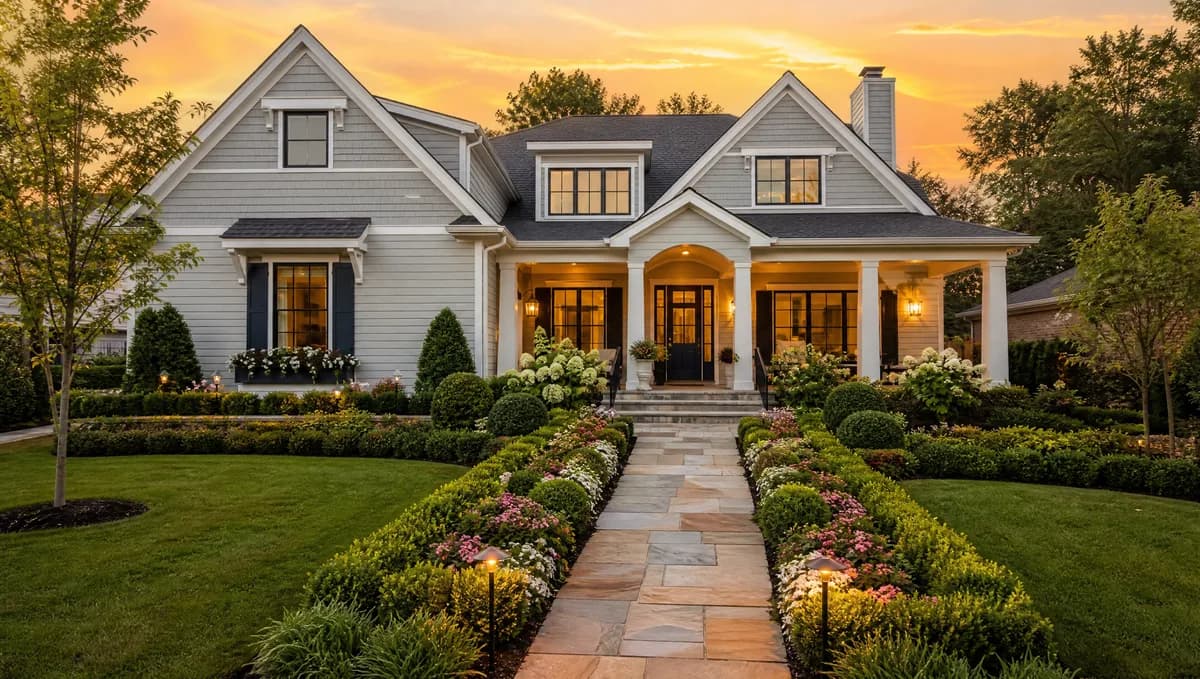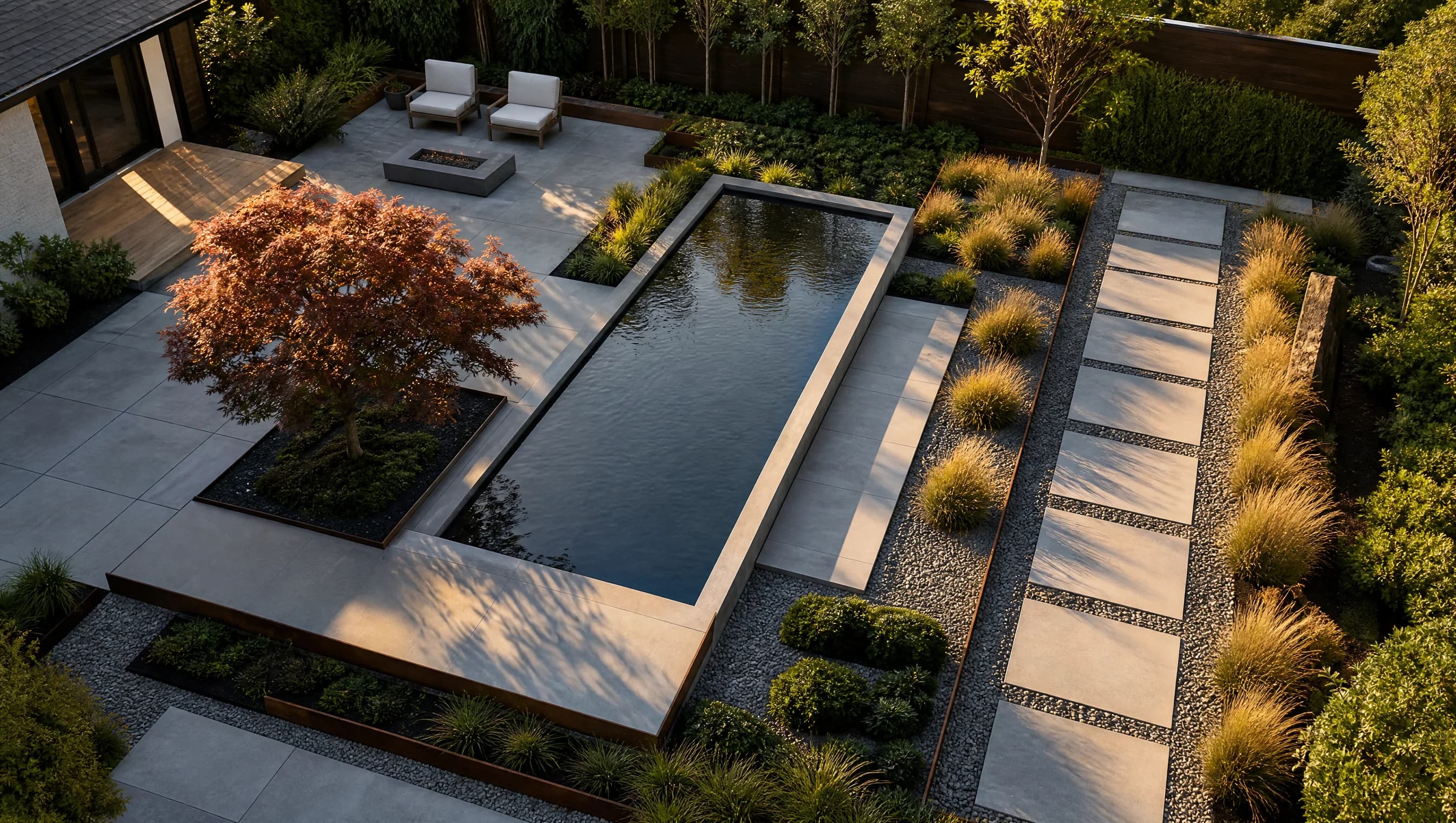
Modern minimalist landscape design is the art of creating outdoor spaces that feel calm, intentional, and effortlessly beautiful — using fewer elements, not more. In 2026, this approach has evolved beyond cold concrete and empty gravel yards into what designers call "warm minimalism": the same restrained principles, but with sun-bleached timber, honey-toned stone, and layered textures that make a garden feel inviting rather than clinical.
Whether you have a sprawling backyard or a compact courtyard, this complete guide walks you through every step — from core principles and material selection to plant palettes and layout strategies that turn "less is more" into a landscape you actually want to spend time in.
What Defines Modern Minimalist Landscape Design
A modern minimalist landscape is not an empty yard. It is a space where every element earns its place. The style is defined by five core principles:
1. Intentional Negative Space
Unlike traditional gardens where plants fill every corner, minimalist design treats open space as a design element. Aim for 60–70% hardscape coverage (pathways, patios, gravel) and 30–40% planted areas. These deliberate gaps frame each plant as a focal object rather than one voice in a crowd.
2. Geometric Precision
Straight edges, perfect rectangles, and clean sight lines create visual order. Pathways run in straight lines, garden beds have crisp edges defined by steel or concrete, and lawn areas (if any) form intentional geometric shapes — a rectangle, not an afterthought.
3. Restrained Material Palette
Limit yourself to 2–3 complementary hard materials. When every surface competes for attention, nothing reads as intentional. Pick one paving material, one edging material, and one accent — then commit to that combination throughout the entire design.
4. Repeated Plant Palette
Use 3–5 plant species, repeated in deliberate groupings. Mass planting of a single grass species in a rectangular bed reads as far more sophisticated than 20 different varieties scattered across the yard.
5. Clean Transitions
Where one material meets another — paving meets gravel, gravel meets planting bed — the transition should be razor-sharp. Flush steel edging, recessed drainage channels, and precise cut-lines are the details that separate minimalist design from unfinished.
Step 1: Assess Your Space
Before sketching anything, walk your yard at different times of day and answer these questions:
- Sun exposure: Where does full sun land at midday? Where does shade dominate? This determines plant placement and seating zones.
- Views: What do you see from the main living area windows? That is your primary design axis.
- Existing structures: Fences, walls, and buildings are permanent constraints. A minimalist design works with them, not against them.
- Slope and drainage: Where does water collect after rain? Minimalist hardscape needs proper grading.
- Soil type: Sandy soil drains fast (good for gravel gardens). Clay holds water (needs attention before paving).
Take photos from every angle — they will help you plan proportions. Better yet, upload them to our AI landscape design tool to instantly visualize different minimalist approaches.
Step 2: Choose Your Material Palette
Materials carry more visual weight in a minimalist garden than in any other style, because there are fewer elements competing for attention. Choose carefully — every surface will be seen.
Primary Paving (Pick One)
| Material | Character | Best For |
|---|---|---|
| Large-format concrete pavers (24"×24"+) | Clean, industrial | Main patio, pathways |
| Poured concrete with saw-cut joints | Seamless, modern | Large patios, pool surrounds |
| Natural stone (bluestone, limestone) | Warm, refined | High-end residential |
| Porcelain pavers (60×120cm) | Precise, low-maintenance | Contemporary outdoor living |
Ground Cover (Pick One)
| Material | Character | Best For |
|---|---|---|
| Decomposed granite | Warm, natural, compacts well | Pathways, open zones |
| Angular gravel (10–14mm, single color) | Textural, permeable | Dry gardens, zen-inspired areas |
| Dark pebble (charcoal/black) | Bold contrast | Planting bed mulch, accent strips |
Edging & Accent (Pick One)
| Material | Character | Best For |
|---|---|---|
| Corten steel | Warm rust tone, ages beautifully | Bed edging, raised planters |
| Aluminum edging (flush) | Nearly invisible | Clean material transitions |
| Timber (hardwood or composite) | Warm, natural | Decking borders, seating |
The 2026 trend: Warm minimalism favors buff limestone or honey-toned pavers over cold charcoal. Sun-bleached timber replaces black-painted steel. The structure stays minimal; only the palette gets gentler.
Step 3: Design Your Layout
A minimalist landscape follows a clear spatial hierarchy. Here is how to organize it:
The Primary Platform
Your largest single element should be a patio or deck adjacent to the house — minimum 12' × 14' for functional seating. Use large-format pavers or decking with minimal joints. This is your primary destination; everything else supports it.
Linear Planting Beds
Place rectangular or L-shaped beds along the perimeter. Fill each bed with mass plantings of a single species. Use steel edging flush with adjacent surfaces. Avoid dot-planting individual specimens scattered across the yard.
The Focal Point
Every minimalist landscape needs one visual anchor — a multi-stem tree, a water feature, a sculptural boulder, or a fire pit. Place it off-center along the primary sight line from the house. One focal point is powerful; three compete.
Pathway Logic
Straight pathways in decomposed granite or pavers, 3–4' wide, connecting the primary platform to secondary zones. Pathways should feel like part of the composition, not just functional connectors.
The Geometric Lawn (Optional)
If you want turf, install it as a single geometric shape — a perfect rectangle bordered by steel edging. A 15' × 20' lawn panel reads as intentional. Irregular shapes read as leftover space.
Step 4: Select Your Plant Palette
Minimalist planting is not about using fewer plants — it is about choosing plants for form, foliage, and structure first, and flower second. A small, repeated palette reads as intentional; a large one reads as busy.
The Five-Plant Framework
Build your palette with one plant from each role:
-
Structural Tree (1 specimen): Japanese maple, multi-stem amelanchier, or olive tree. This is the vertical anchor of the entire design.
-
Evergreen Mass (repeated): Boxwood, Ilex crenata, or Portuguese laurel. Clipped into geometric shapes, these provide year-round structure.
-
Ornamental Grass (repeated): Miscanthus, Stipa gigantea, or Hakonechloa. Movement and texture without visual clutter.
-
Groundcover (large drift): Pachysandra, Epimedium, or low Sedum. A living carpet that replaces mulch in shaded beds.
-
Seasonal Accent (minimal): One flowering perennial — Echinacea, Salvia, or white Agapanthus. Used sparingly for punctuation, not as the main event.
Planting Rules
- Group in odd numbers (3, 5, 7) for natural rhythm
- Repeat the same species across multiple beds for cohesion
- Leave space between groups — negative space applies to planting too
- Avoid colorful annuals — they create visual noise and demand constant replacement
- Prioritize multi-season interest: bark texture, seed heads, fall color
Step 5: Plan Lighting and Water
Lighting Design
Minimalist lighting is about concealing the hardware and revealing the textures. Follow these principles:
- Linear LED strips recessed into stair edges, bench seats, and raised bed caps
- Uplights at the base of specimen trees (one tree, one light)
- Path-level bollards (under 18" height) in matte black or bronze
- No decorative fixtures — the light itself is the feature, not the fitting
Irrigation
Install drip irrigation beneath the gravel or mulch layer in every planting bed. Smart controllers with weather sensors ensure water efficiency. In a minimalist garden, there is nowhere to hide sprinkler heads or hose bib splatter marks — drip is the only option that maintains the clean aesthetic.
Step 6: Build for Low Maintenance
One of the biggest advantages of minimalist landscape design is reduced upkeep. But only if you build it right:
- Lay landscape fabric under gravel to suppress weeds
- Install steel edging to prevent material migration between zones
- Choose self-clinging climbers (if using vertical elements) to eliminate trellis maintenance
- Specify compacted sub-base under all paved areas to prevent settling
- Apply 2–3 inches of inorganic mulch (gravel or stone) in planting beds — it does not decompose or need annual replacement
Seasonal maintenance calendar:
- Spring: Prune grasses, shape evergreens, check edging alignment
- Summer: Monitor irrigation, remove any weed seedlings from gravel
- Fall: Cut back perennials, clean gravel surfaces, check drainage
- Winter: Protect container plants from freeze, enjoy the structural beauty of bare branches
Common Mistakes to Avoid
After reviewing hundreds of minimalist landscape projects, these are the most frequent errors:
Too empty, not minimal. An empty yard is not minimalist — it is unfinished. Every zone needs a purpose, even if that purpose is "deliberate open space with a finished surface."
Too many materials. Four paving types, three gravel colors, and mixed metal edging create visual chaos. Stick to your 2–3 material palette and resist the urge to "add variety."
Wrong scale. Small pavers in a large space look busy. Large-format materials (24"+ pavers, wide gravel beds) read as confident and minimal. Scale your materials to your space.
Ignoring winter. Minimalist gardens that rely on deciduous plants look abandoned from November to March. Evergreen structure (boxwood, pine, holly) is non-negotiable.
Skipping the sub-base. Gravel without proper sub-base and membrane becomes a weed garden within one season. The invisible work below the surface is what makes the visible surface stay clean.
Get Started with AI Visualization
Not sure which minimalist approach suits your space? Skip the guesswork. Upload a photo of your yard to our AI landscape design tool and instantly see it transformed into a Modern Minimalist design. You can also experiment with related styles like Scandinavian for a softer Nordic take, or Japanese Zen for a meditative variation on the same "less is more" philosophy.
The AI preserves your existing structures — fences, walls, buildings — while reimagining the landscape around them. It takes 30 seconds and requires no sign-up.