
Design Philosophy
Wabi-sabi is a Japanese way of seeing that finds beauty in what is simple, modest and imperfect. In a home, it means valuing handmade objects, worn surfaces and natural materials over polished, matching sets. Wabi suggests a quiet, understated simplicity, while sabi points to the beauty that comes with age and use.
As an interior style, it grew from the Japanese tea ceremony, which favored rustic, humble utensils and rooms over lavish ones. Western designers adopted the idea in recent years as a counter to fast furniture and perfect, glossy rooms. A wabi-sabi space is not neglected; it is calm, edited and tactile, with objects chosen for character rather than for newness.
The result is a restful atmosphere that suits bedrooms and living rooms in particular. Nothing is trying to impress, and nothing needs to be perfect.
Key Design Elements
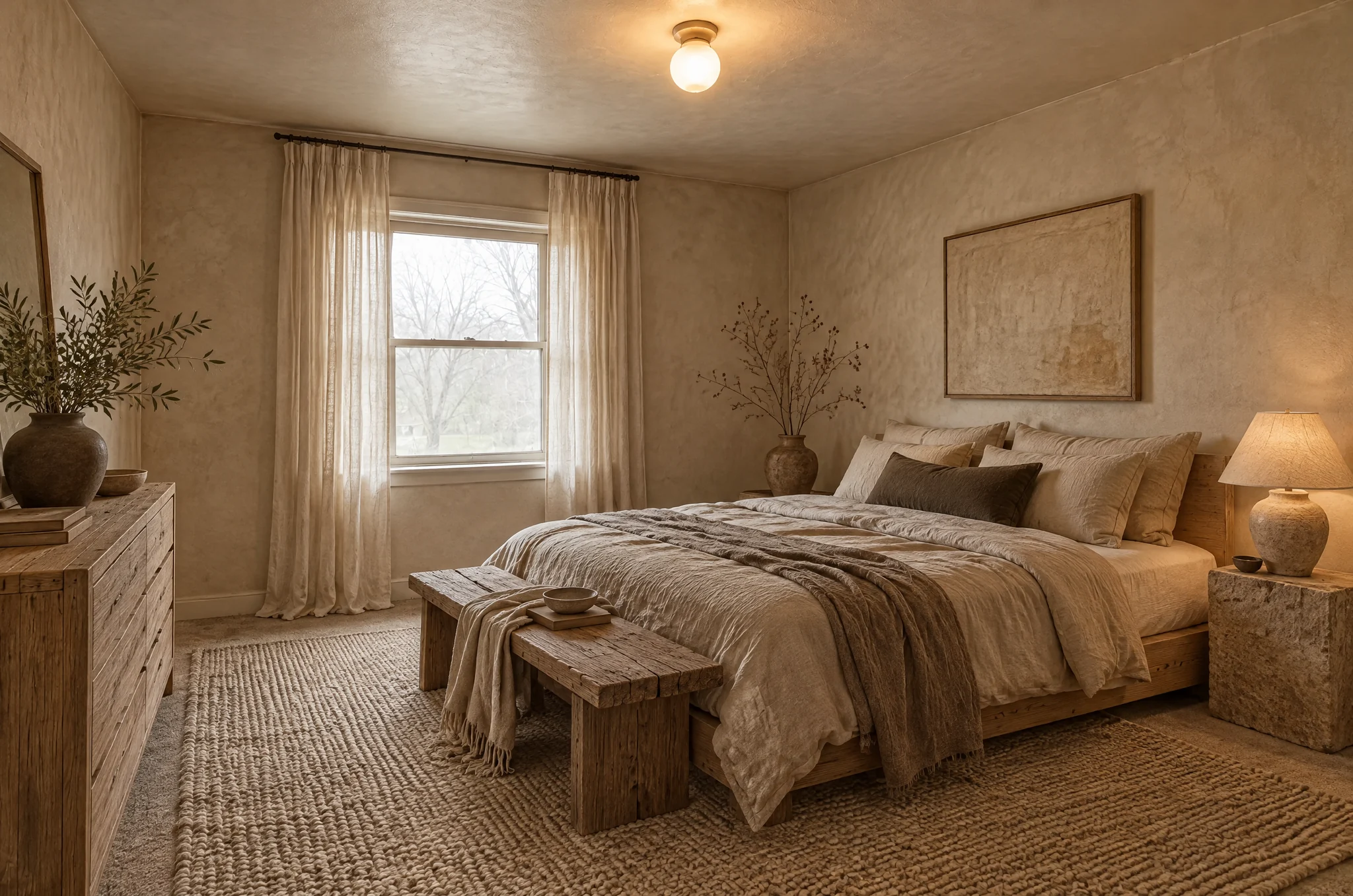
- Textured walls — Limewash, clay or plaster with soft variation rather than flat, uniform paint.
- Raw and aged materials — Unfinished wood, stone, clay and linen that show their grain and wear.
- Imperfect, handmade objects — Hand-thrown ceramics, uneven bowls and irregular vases.
- A muted, earthy palette — Clay, oatmeal, bone, charcoal and moss.
- Low, simple furniture — A low platform bed, a plain bench, a stone side table.
- Negative space — Plenty of empty wall and surface so each object can be seen.
- Soft, natural light — Sheer linen curtains and warm, low lighting.
Recommended Furniture & Decor
Furniture & Decor
- A low platform bed in solid oak or ash.
- A rough wooden bench at the foot of the bed or by the entry.
- A stone or aged-wood nightstand with a ceramic lamp.
- Handmade ceramics and a vase of dried branches.
- A wool or jute rug in an oatmeal or gray tone.
- Stone-washed linen bedding in clay, oat and charcoal.
- A single piece of simple art or a textured wall hanging.
Materials & Colors
- Walls in limewash, clay plaster or matte paint in warm greige.
- Floors in wide-plank oak or concrete with a matte finish.
- Surfaces in raw wood, stone and unglazed ceramic.
- Textiles in washed linen, cotton and wool.
- Palette of clay, oatmeal, bone, charcoal and moss green.
Room-by-Room
- Bedroom — A low bed, rumpled linen, a plaster wall and a single branch in a vase. See our bedroom ideas.
- Living room — A low linen sofa, a stone or wood coffee table and one large ceramic vessel.
- Bathroom — Plastered or tadelakt-style walls, a stone basin and a wooden stool.
- Dining room — A solid wood table with visible grain and simple chairs.
- Entry — A rough bench, a bowl for keys and a coat hook.
Common Mistakes
- Buying "distressed" decor — Pieces that fake age look contrived. Choose objects that are naturally imperfect.
- Too much stuff — The style relies on space. Remove accessories until each remaining piece has room.
- No contrast — Add dark wood or charcoal ceramics so the palette does not turn flat.
- Perfect finishes — High-gloss and flawless surfaces work against the idea.
Best For
- Bedrooms and quiet spaces where calm matters more than drama.
- People who dislike clutter and want a few meaningful objects.
- Lovers of craft, since the style rewards handmade pieces.
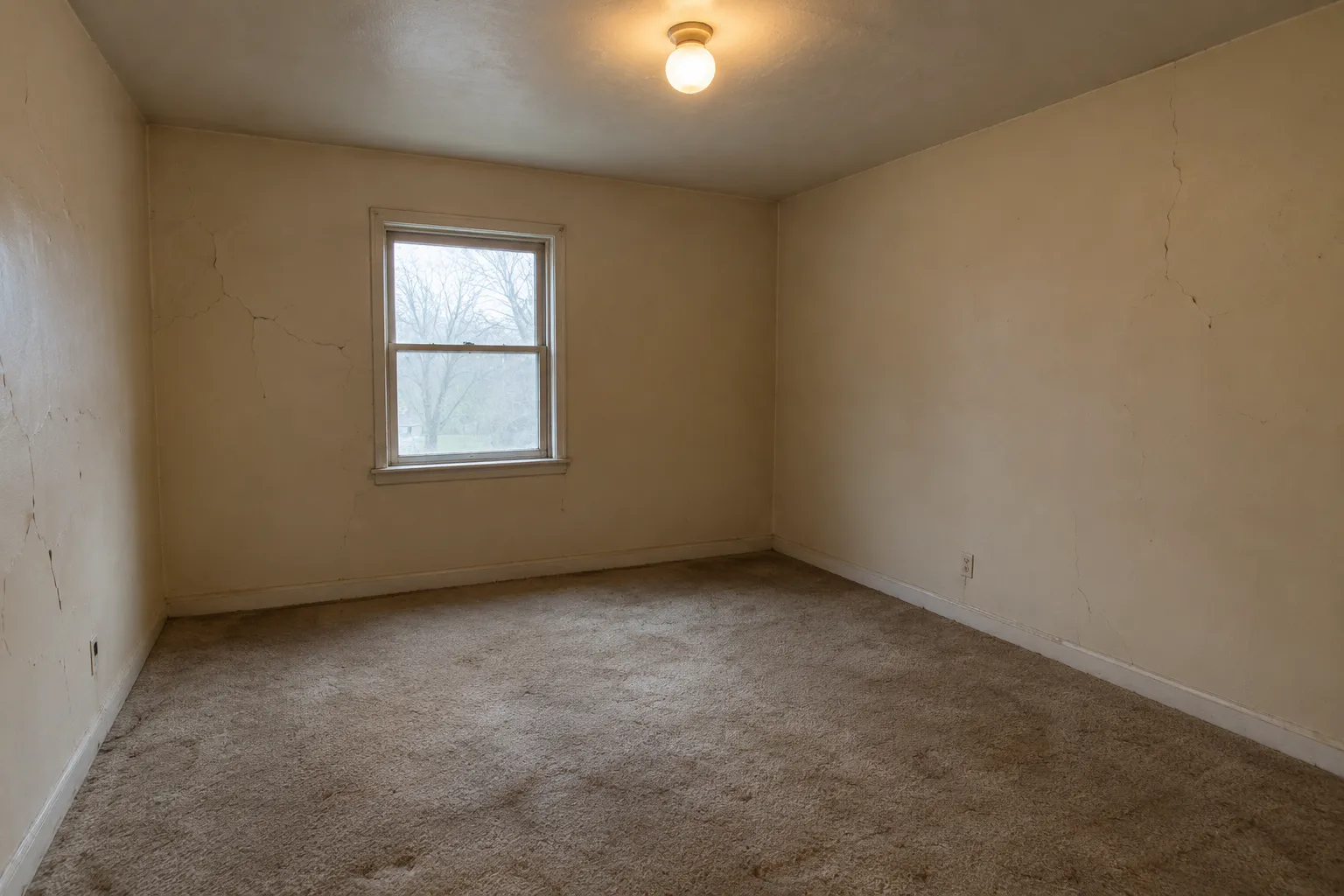
- Older homes where worn floors and plaster walls already have character.
For a cleaner, more minimal take, see Japandi. For a warmer, more modern interpretation, try Organic Modern. Our interior design styles compared guide explains how these styles differ.
Budget Guide
Typical ranges for a single room of around 120 to 200 square feet.
| Level | Scope | Estimated Cost (USD) |
|---|---|---|
| DIY Refresh | Limewash paint, linen bedding, rug, ceramics, branches | $1,000 – $4,000 |
| Mid-Range | Platform bed, bench, lighting, curtains and wall finish | $5,000 – $12,000 |
| Premium | Plaster walls, custom wood furniture, flooring and artisan pieces | $15,000 – $35,000+ |
Cost-saving tip: Thrift shops, flea markets and local potters are the best sources of authentically imperfect objects.
Maintenance Level
Low — The style welcomes wear, so upkeep is relaxed.
- Weekly — Dust and shake out linen.
- Seasonal — Wash bedding and curtains.
- Yearly — Oil or wax wood and touch up plaster.
Try It Now
Upload a photo of your room and preview a Wabi-Sabi redesign in seconds, free. Try it with our AI room design tool or go straight to the designer.