
Design Philosophy
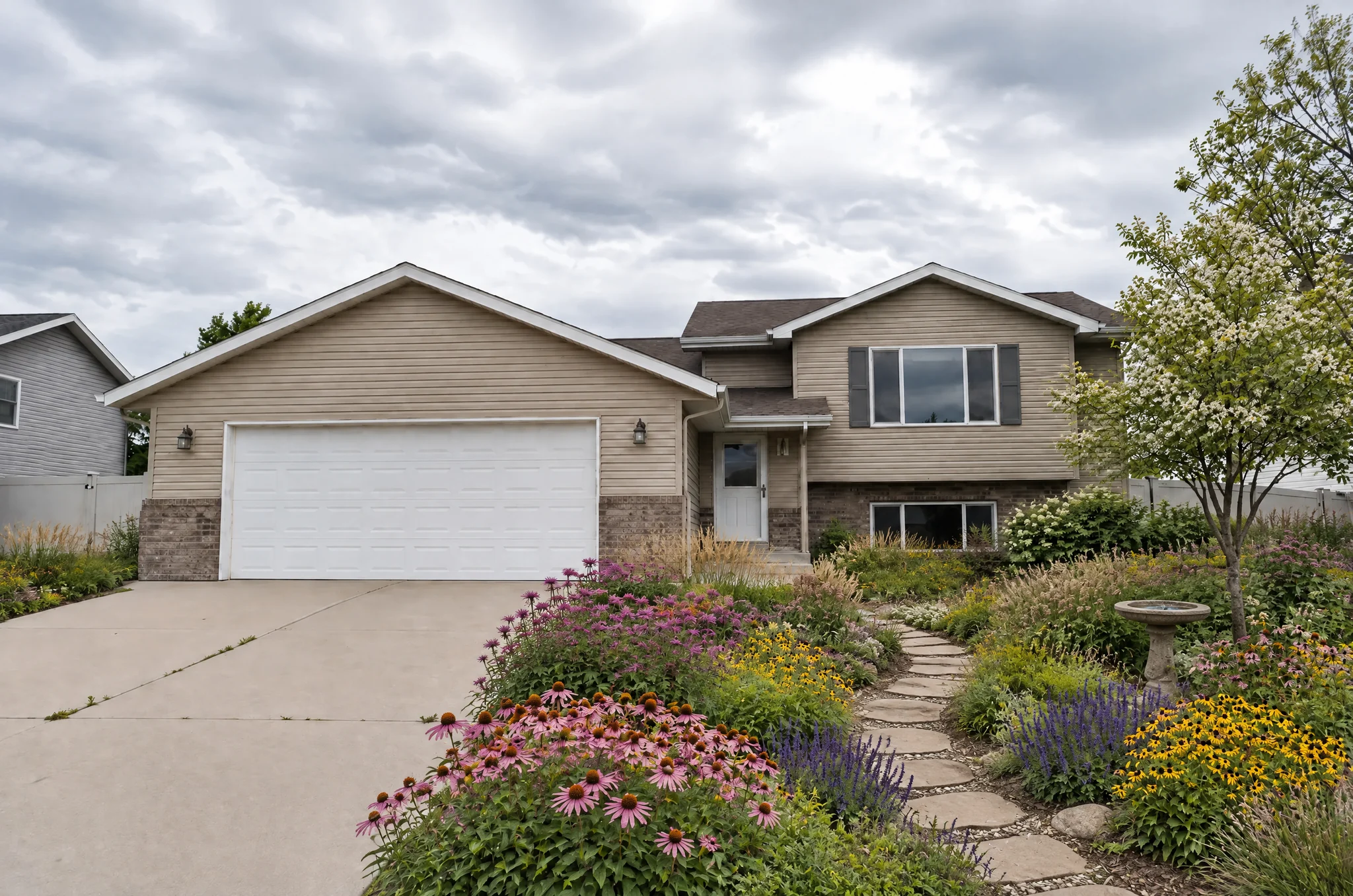
A pollinator and wildlife garden replaces part of a mown lawn with plants that feed and shelter bees, butterflies, moths and birds. Instead of aiming for a perfect surface, it aims for a working ecosystem: nectar from spring to fall, seeds and cover through winter, and a little water. Done well, it also looks better than turf, with movement, color and changing seasons.
The key principle is to use plants native to your region. Native species have evolved with local insects and birds, so they support far more wildlife than most ornamental alternatives. They are also adapted to local soil and rainfall, which means less watering and fertilizer once they are established.
A front yard version has one more job: it has to look cared for. That is where design matters. Planting in drifts, keeping crisp edges and adding a clear path tell neighbors the garden is intentional.
Key Design Elements
- Drifts, not singles — Groups of three to five plants per species are easier for pollinators to find and look better.
- Bloom succession — Choose plants that flower in sequence so something is always in bloom from early spring to late fall.
- A defined path — A curving stepping-stone route invites you in and keeps the garden neat.
- Structure from grasses — Native grasses give the planting form and winter interest.
- A small flowering tree — Serviceberry or redbud adds early nectar and shelter.
- Water — A shallow birdbath or dish with stones for landing.
- Clean edges — Steel, stone or a mown strip signals that the planting is deliberate.
Recommended Plants & Materials
Plants
- Purple coneflower (Echinacea purpurea) — Long summer bloom, seeds for finches.
- Bee balm (Monarda) — Attracts hummingbirds and bees.
- Milkweed (Asclepias) — Essential host plant for monarch caterpillars; choose a species native to your region.
- Salvia and catmint — Reliable, long-flowering plants for bees.
- Little bluestem and prairie dropseed — Native grasses for structure and winter color.
- Native serviceberry or redbud — A small tree for spring flowers.
Materials & Colors
- Flagstone or reclaimed stepping stones for a simple path.
- Thin layer of shredded hardwood mulch while plants fill in.
- Low steel or stone edging to keep beds crisp.
- A ceramic or stone birdbath.
- Palette of purple, magenta and gold flowers above soft greens and buff grasses.
Best For
- Homeowners replacing lawn to reduce mowing, watering and fertilizer.
- Gardeners who want wildlife in the yard, including bees, butterflies and birds.
- Front yards and curb strips where a neat, designed look matters.
- Households avoiding pesticides and wanting a safer space for kids and pets.
For a larger, meadow-style version, see Prairie Native. For a softer, more traditional garden that also supports pollinators, try English Cottage. Read our pollinator-friendly garden guide or browse front yard ideas.
Budget Guide
Typical ranges for converting a front yard of around 400 to 800 square feet.
| Level | Scope | Estimated Cost (USD) |
|---|---|---|
| DIY Refresh | Sheet mulching the lawn, plugs and seeds, stepping stones, birdbath | $500 – $2,000 |
| Mid-Range | Nursery plants in quantity, path, edging, small tree | $3,000 – $8,000 |
| Premium | Full design and install with grading, hardscape and irrigation | $9,000 – $20,000+ |
Cost-saving tip: Plugs and seed cost far less than large pots, and native plants fill in quickly.
Maintenance Level
Low — Mostly seasonal, with a lot of work in the first year.
- First season — Water regularly and weed while plants establish.
- Spring — Cut back stems left standing over winter.
- Fall — Leave seed heads for birds and overwintering insects.
FAQ
Will a pollinator garden look messy?
Not if it is designed with clear edges, drifts of repeated plants and a path. These cues make a naturalistic planting read as intentional.
What plants are best for monarchs?
Milkweed is the host plant for monarch caterpillars. Choose a species that is native to your region.
How long until it fills in?
Many native perennials take two to three years to reach full size, so expect to weed more in the first season.
Try It Now
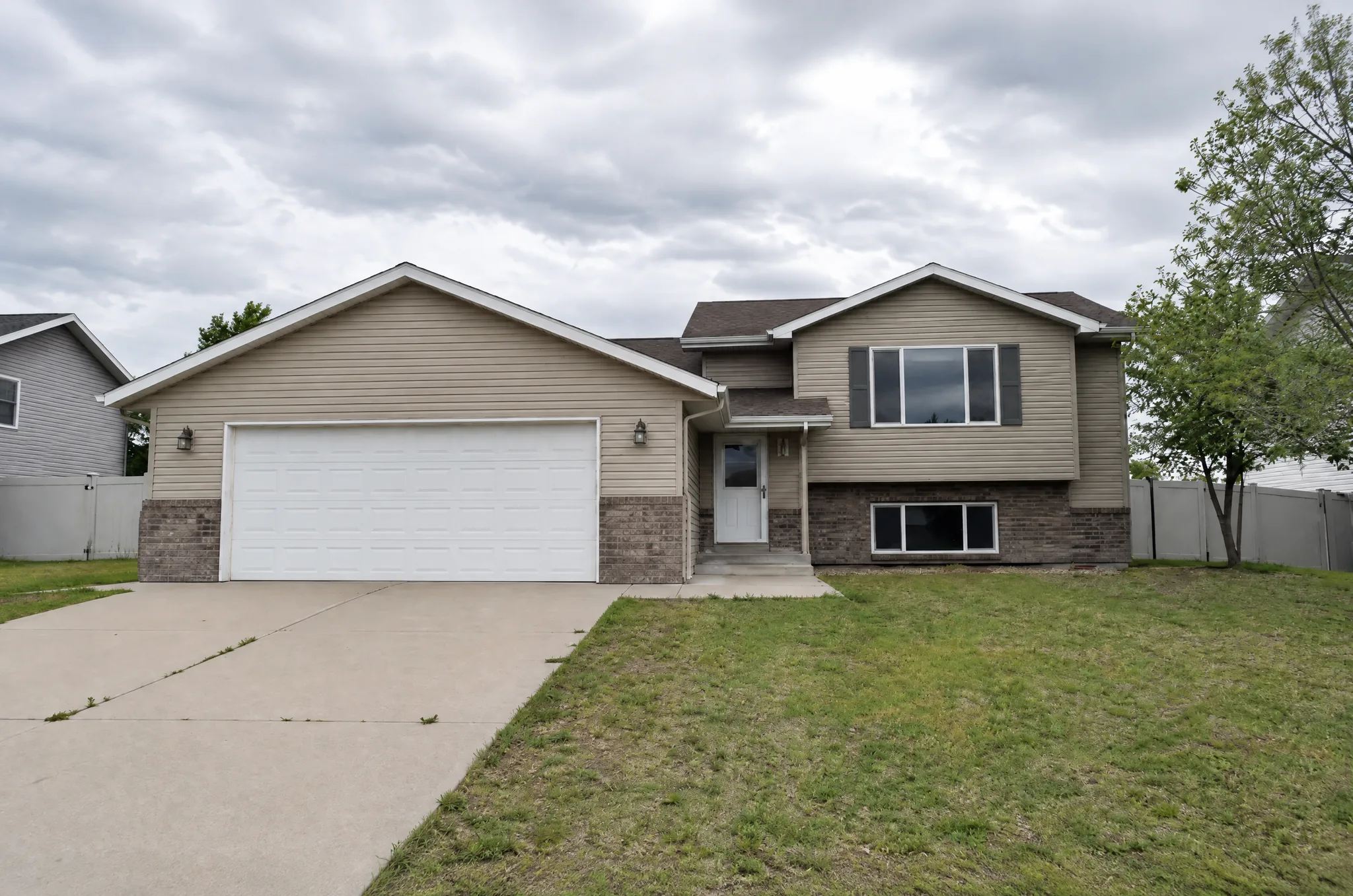
Upload a photo of your front yard and see a Pollinator & Wildlife Garden in seconds, free to try. Our AI keeps your house, driveway and walkways in place and replaces the lawn with a layered native planting.