
Design Philosophy
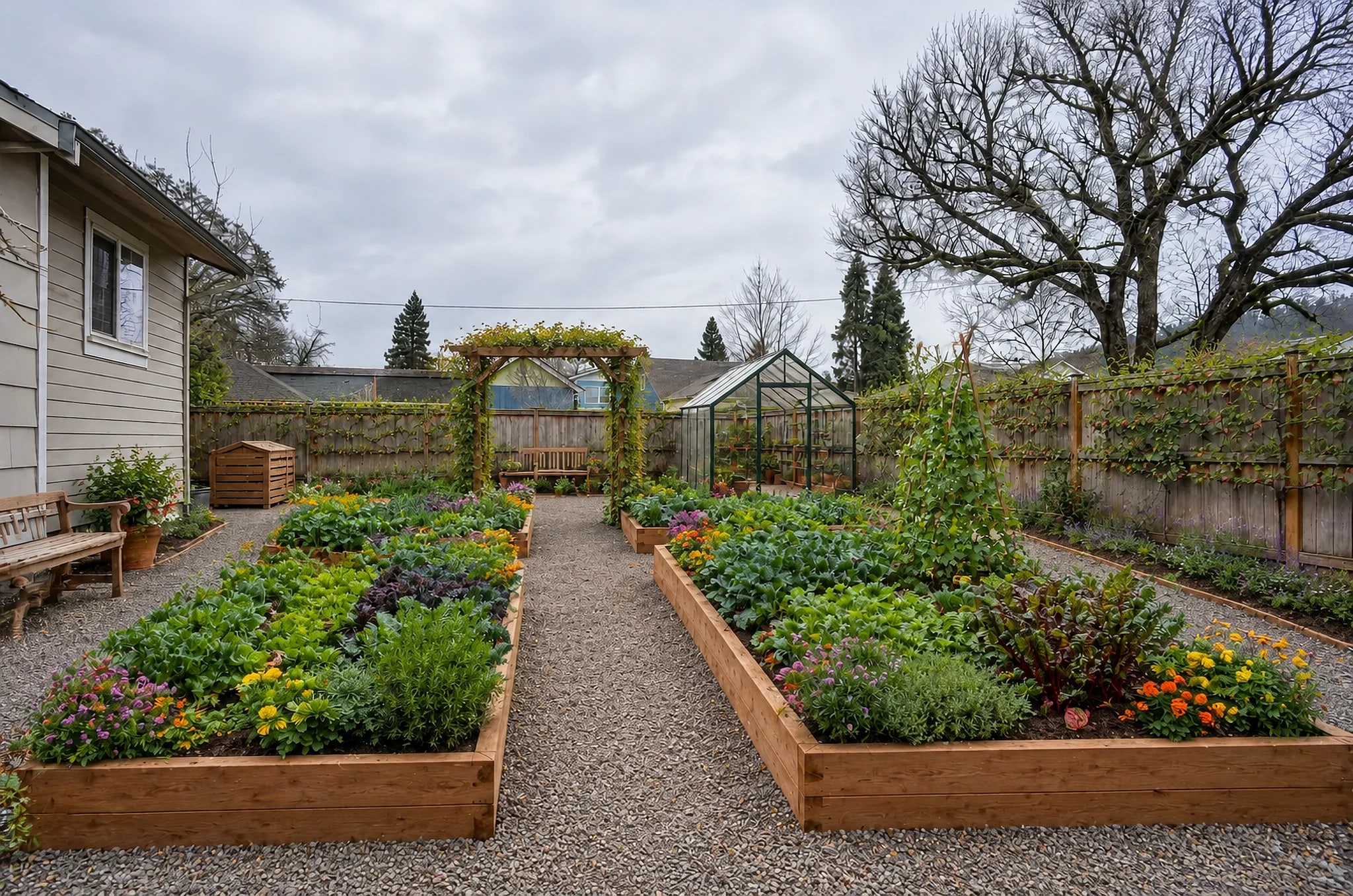
A potager is a French-style kitchen garden where vegetables, herbs, fruit and flowers share the same beds, laid out in a pattern that looks good as well as producing food. The tradition goes back to medieval and Renaissance gardens, where useful plants were arranged in formal geometry close to the house. Today the idea is popular again because people want fresh food without giving up an attractive yard.
What separates a potager from a basic vegetable patch is design. The beds are symmetrical, the paths are defined, and vertical elements such as trellises and espaliered trees add height. Even in winter, the structure holds the garden together. Mixing in flowers and herbs brings pollinators and keeps the garden colorful for most of the year.
For smaller yards the approach scales well. Four to six raised beds and a trellis can provide a steady harvest and still read as a deliberate garden.
Key Design Elements
- Raised beds about four feet wide — Every plant stays within arm's reach, so you never step on the soil.
- Defined paths — Gravel, brick or mulch, wide enough for a wheelbarrow.
- Symmetry and a focal point — A bench, arbor or sundial at the center or end of the main path.
- Vertical growing — Trellises, tepees and arbors for beans, peas, cucumbers and climbing flowers.
- Espaliered fruit trees — Apples or pears trained flat along a fence or wall save space and look sculptural.
- A small greenhouse or cold frame — Extends the season and starts seedlings.
- Flowers among the vegetables — Nasturtiums, calendula and zinnias attract pollinators and add color.
Recommended Plants & Materials
Plants
- Tomatoes, peppers and bush beans in the sunniest beds.
- Lettuce, kale and chard for cut-and-come-again harvests.
- Herbs such as basil, thyme, chives and rosemary along path edges.
- Dwarf apple or pear trees grown as espaliers.
- Berries such as blueberries or raspberries along a back border.
- Nasturtiums, calendula and zinnias for color and pollinators.
Materials & Colors
- Untreated cedar or redwood for raised beds, which resist rot naturally.
- Pea gravel or crushed stone paths with metal or stone edging.
- Galvanized or willow trellises that look good empty and full.
- Terracotta pots for herbs near the kitchen door.
- Palette of rich soil browns, silvery herbs and fresh greens with flower accents.
Best For
- Home cooks who want herbs and vegetables steps from the kitchen.
- Families who want kids involved in growing food.
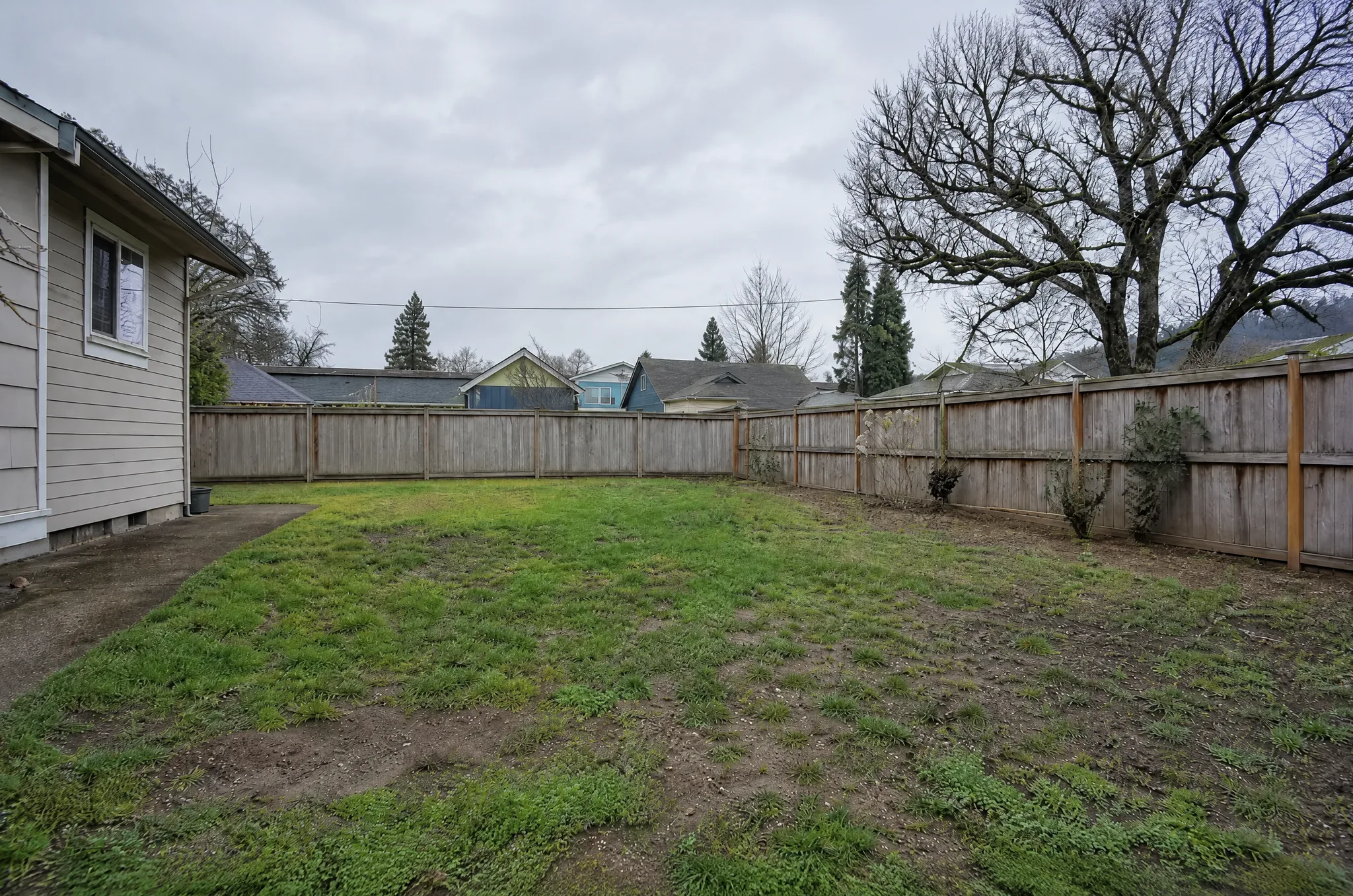
- Anyone with a plain lawn and a sunny corner of at least six to eight hours of direct light.
- Owners who care about looks and want a productive garden that still feels designed.
If you want a more casual, flower-filled feel, see English Cottage. For a farm-inspired look with raised planters, try Farmhouse Modern. Browse more backyard ideas.
Budget Guide
Typical ranges for a garden with four to eight raised beds.
| Level | Scope | Estimated Cost (USD) |
|---|---|---|
| DIY Refresh | Raised beds from lumber, soil, seeds, basic trellis, drip kit | $800 – $2,500 |
| Mid-Range | Cedar beds, gravel paths, arbor, fruit trees, irrigation | $4,000 – $10,000 |
| Premium | Custom beds, greenhouse, espaliers, paving, lighting and fencing | $12,000 – $30,000+ |
Cost-saving tip: Start with a few beds and add more each year. Filling beds with a bulk soil and compost mix is far cheaper than buying bagged soil.
Maintenance Level
High — A productive garden rewards regular attention, but a drip line and mulch reduce the work.
- Weekly — Harvest, water if needed and check for pests.
- Seasonal — Plant, rotate crops and refresh compost.
- Yearly — Prune fruit trees and top up bed soil.
FAQ
How much sun does a potager need?
Most vegetables and fruit need six to eight hours of direct sun. Leafy greens and some herbs tolerate partial shade.
Are raised beds better than planting in the ground?
They drain better, warm up sooner and make it easier to control soil quality, which is why they are the standard in potager design.
Can I grow an edible garden in a small yard?
Yes. A few raised beds, a trellis for vertical crops and containers for herbs can fit into a compact space.
Try It Now
Upload a photo of your yard and see an Edible Potager layout in seconds, free to try. Our AI keeps your house and fence in place and designs raised beds, paths and planting around them.