
Design ideas
Pollinator & Wildlife Front Yard Design Ideas
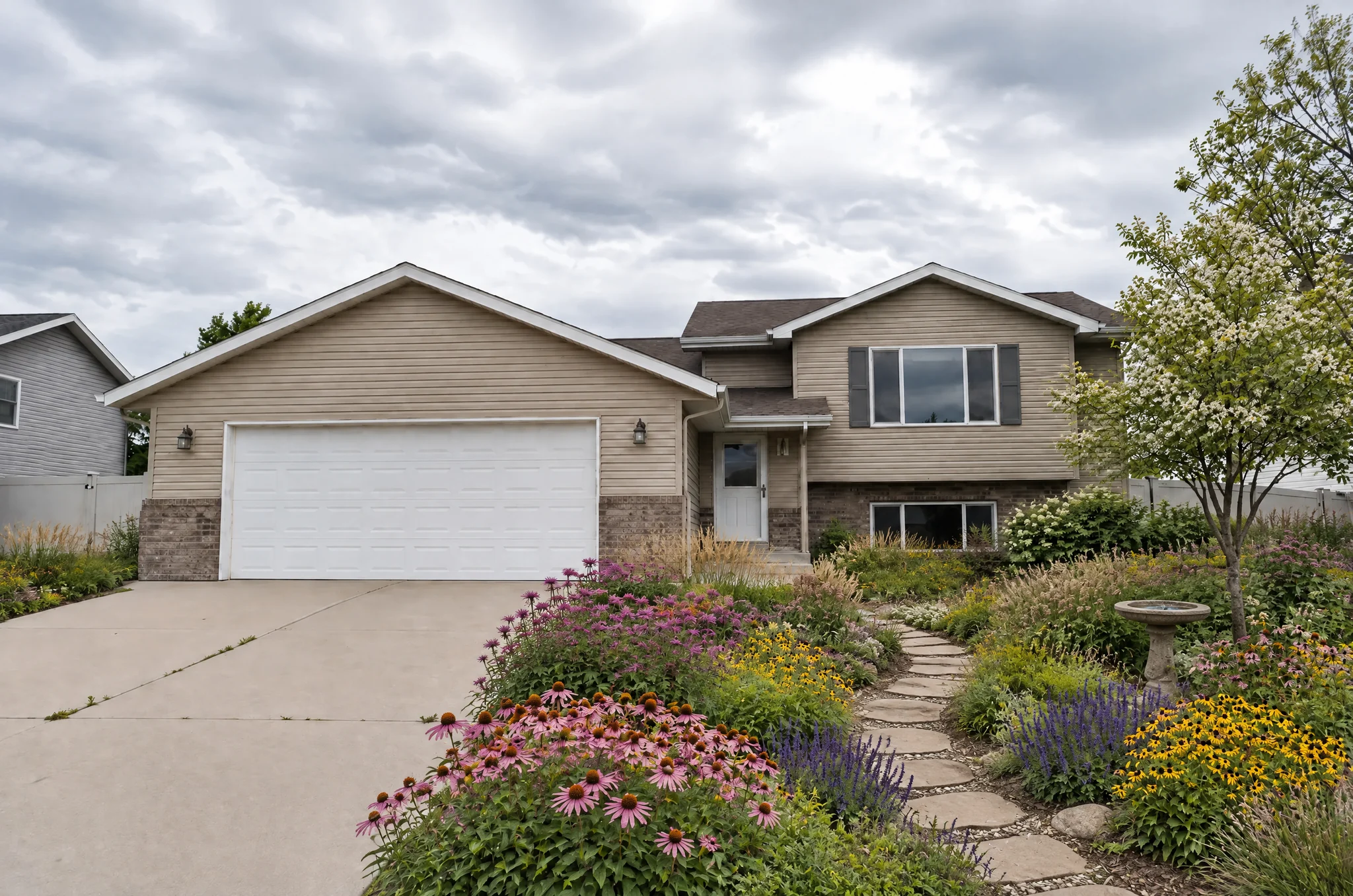
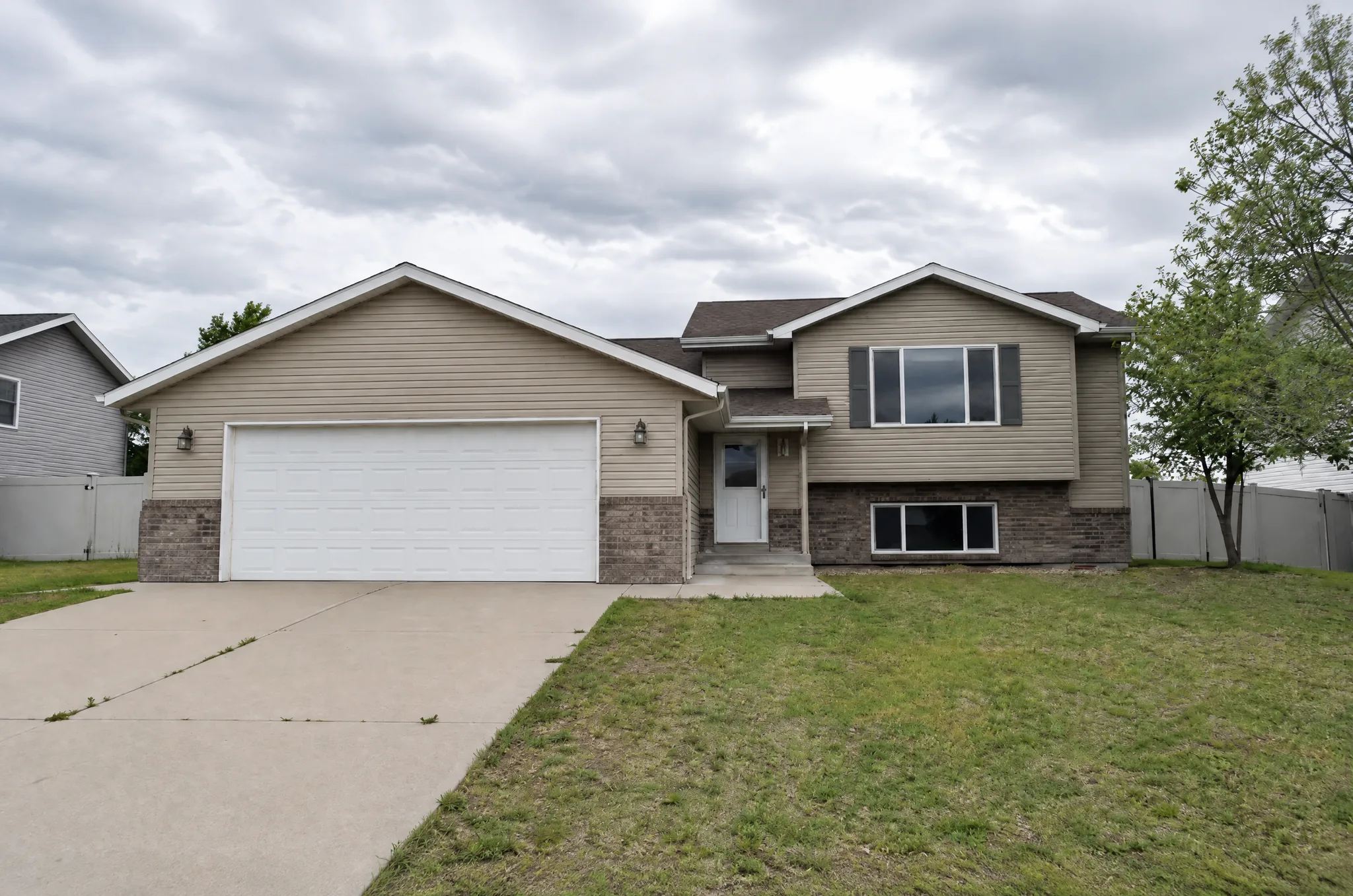
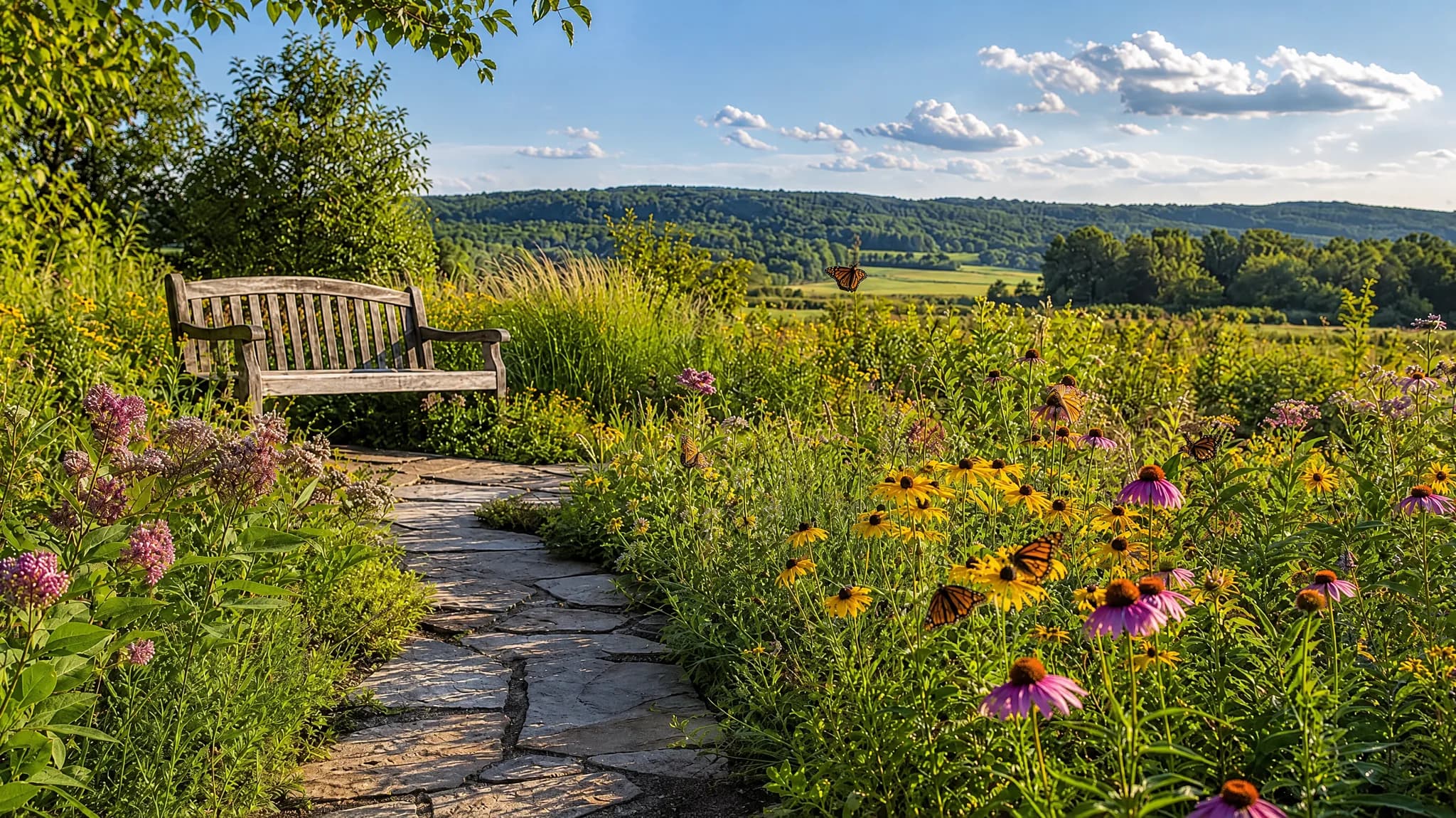
Native flowers, grasses, and a birdbath replace the lawn with a garden that feeds bees, butterflies, and birds.
Looking for pollinator & wildlife front yard design ideas? This guide covers specific plant species, material, and layout recommendations for creating a pollinator & wildlife front yard. Explore the Pollinator & Wildlife style applied to this space — with budget ranges, maintenance tips, and actionable design elements you can use today.
Key Design Elements
Drifts of three to five plants of each species rather than single specimens
A curving stepping-stone path that lets visitors walk through the planting
Bloom succession from early spring to late fall so nectar is always available
A shallow birdbath or small water dish with a few stones for landing
A flowering native tree to anchor the planting and provide shelter
Recommended Plants & Materials
Materials & Color Palette
Budget Guide
DIY / Budget
$500–$2,000
Do-it-yourself with basic tools and materials
Mid-Range
$3,000–$8,000
Professional design with quality materials
Premium
$9,000–$20,000
Full professional installation, top-tier materials
Why Pollinator & Wildlife Works for Your Front Yard
A pollinator garden turns a front lawn that only needs mowing into one that does work: it feeds bees and butterflies, shelters birds and manages rainwater. Planting in drifts, with a clear path and tidy edging, keeps it looking intentional to neighbors, which matters in a front yard. Native plants are adapted to local soil and rainfall, so once established they need little water or fertilizer, and the garden changes with the seasons instead of staying one flat shade of green.
Maintenance: Low
Water new plants regularly for the first season, then taper off. Leave seed heads and stems standing through winter for birds and overwintering insects, and cut back in early spring. Avoid pesticides, which harm the pollinators the garden is meant to support.
Other Styles for Front Yard Ideas

English Cottage Front Yard
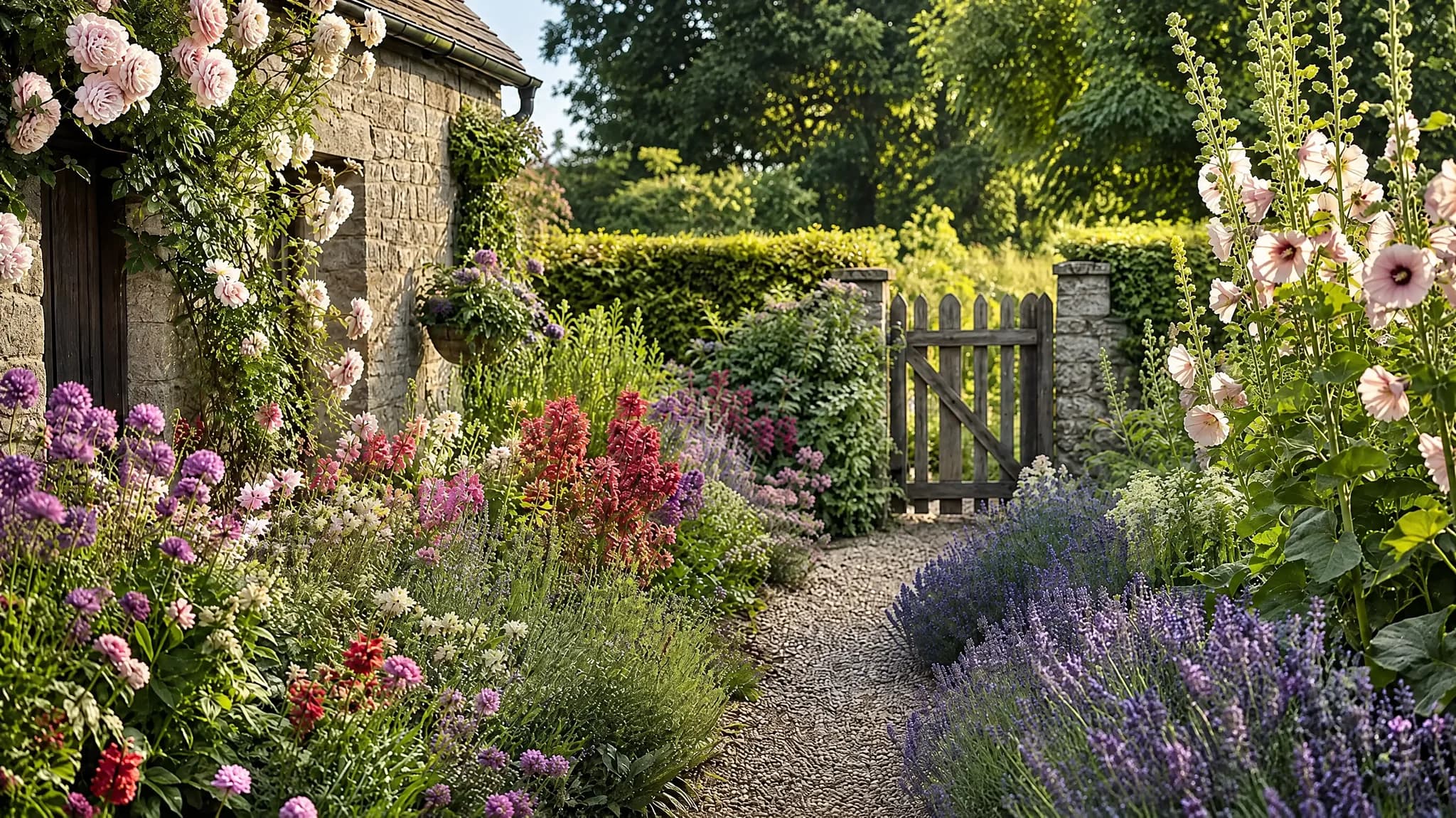
Layered perennials, climbing roses, and charming boxwood hedges create an inviting, romantic atmosphere.

Low-Maintenance Front Yard Front Yard
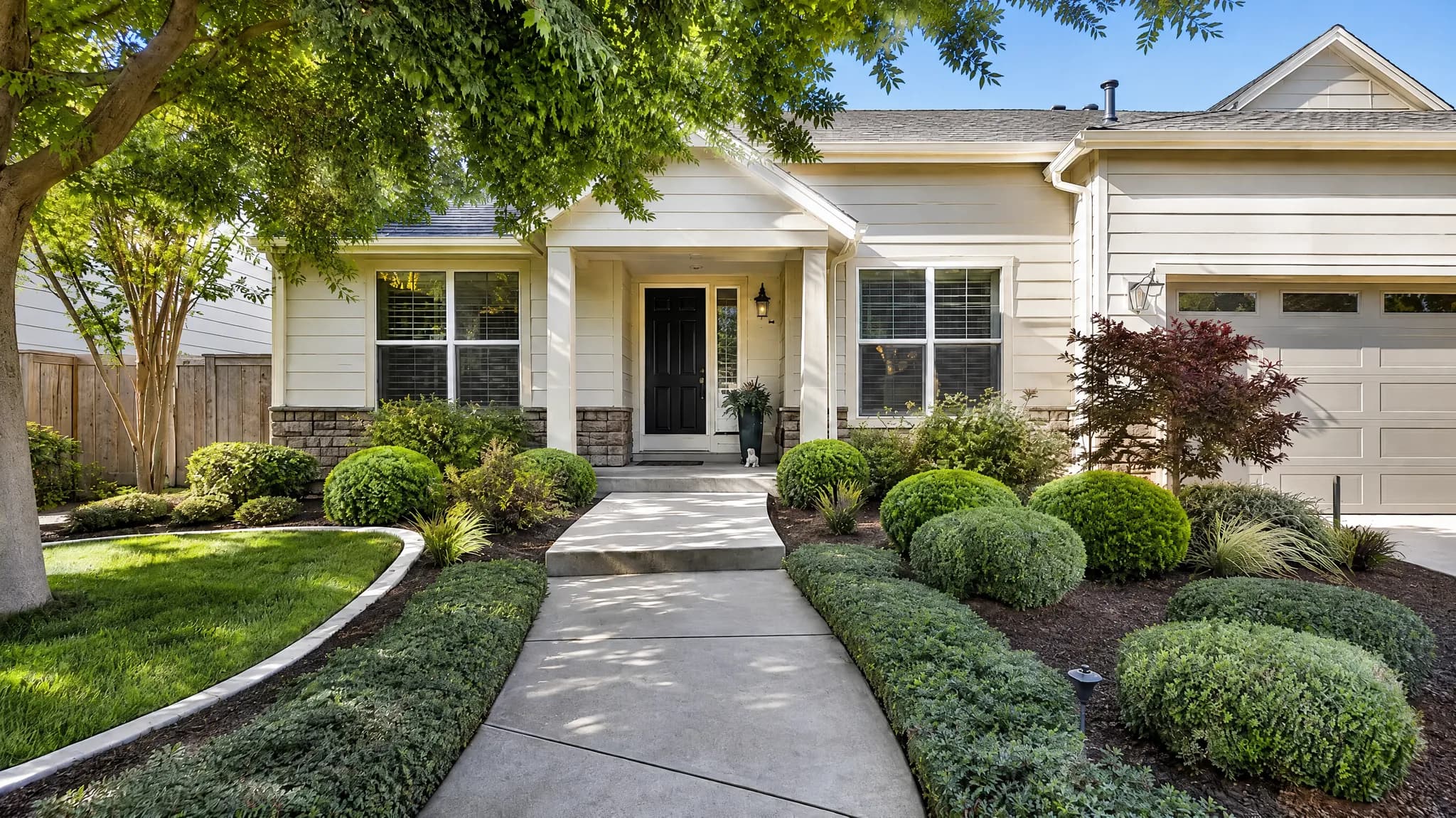
Evergreen structure, gravel mulch, and hardy plants deliver lasting curb appeal with minimal upkeep.

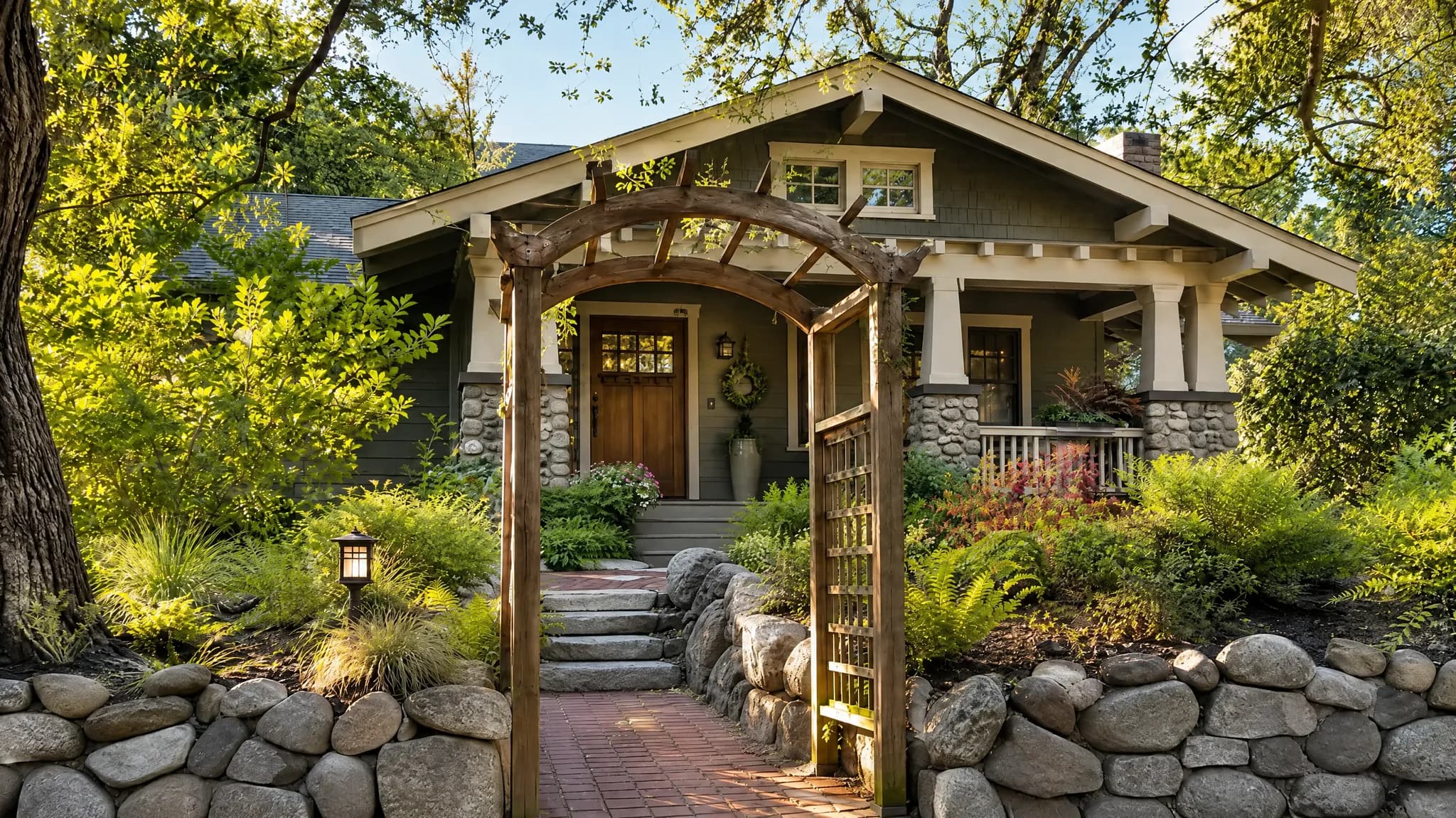
Craftsman Bungalow Front Yard
Low stone walls, native shrubs, and wood trellises complement the handcrafted character of bungalow homes.

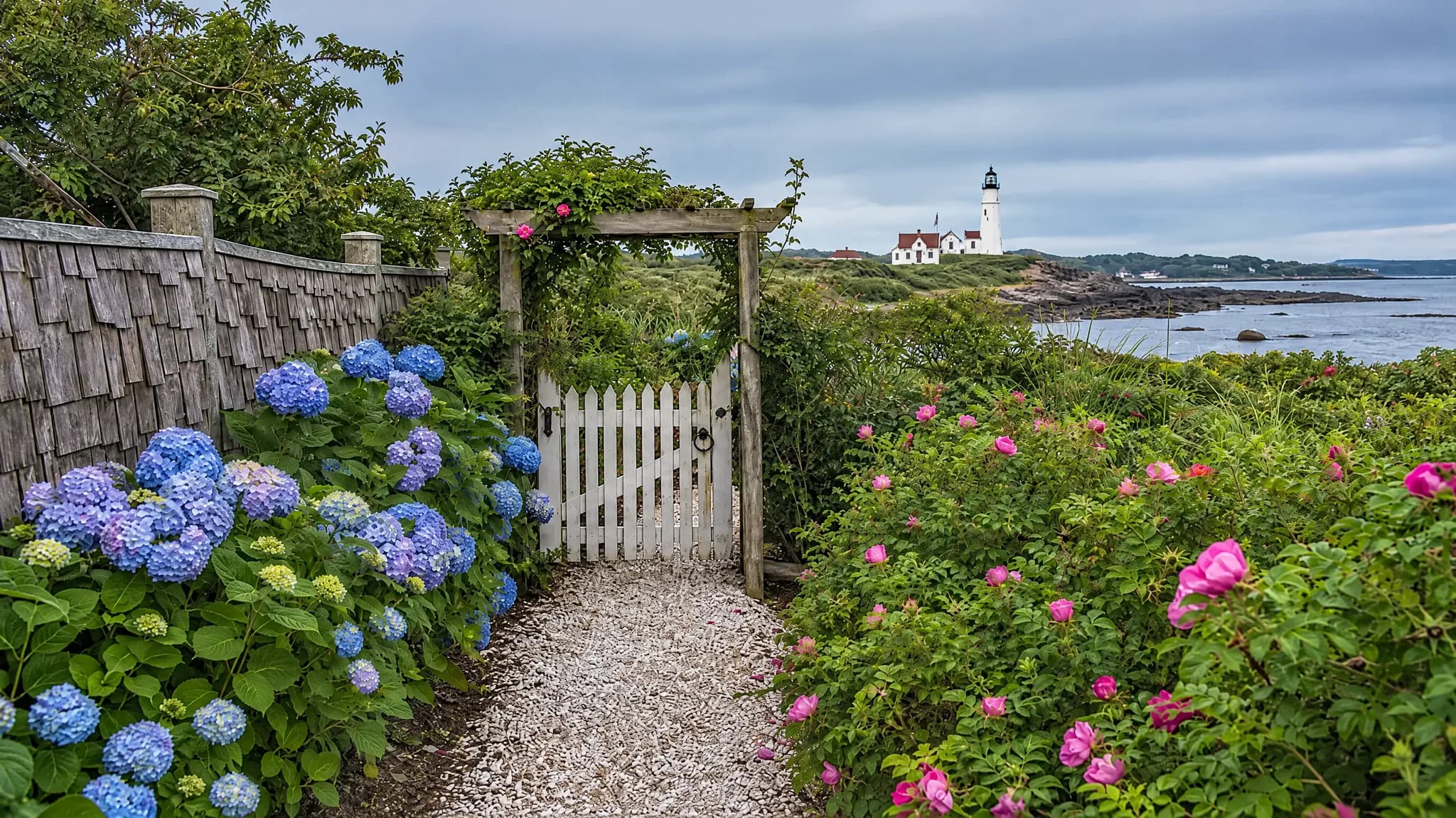
New England Coastal Front Yard
Blue hydrangeas, cedar shingles, and crushed shell paths evoke the charm of northeastern seaside living.

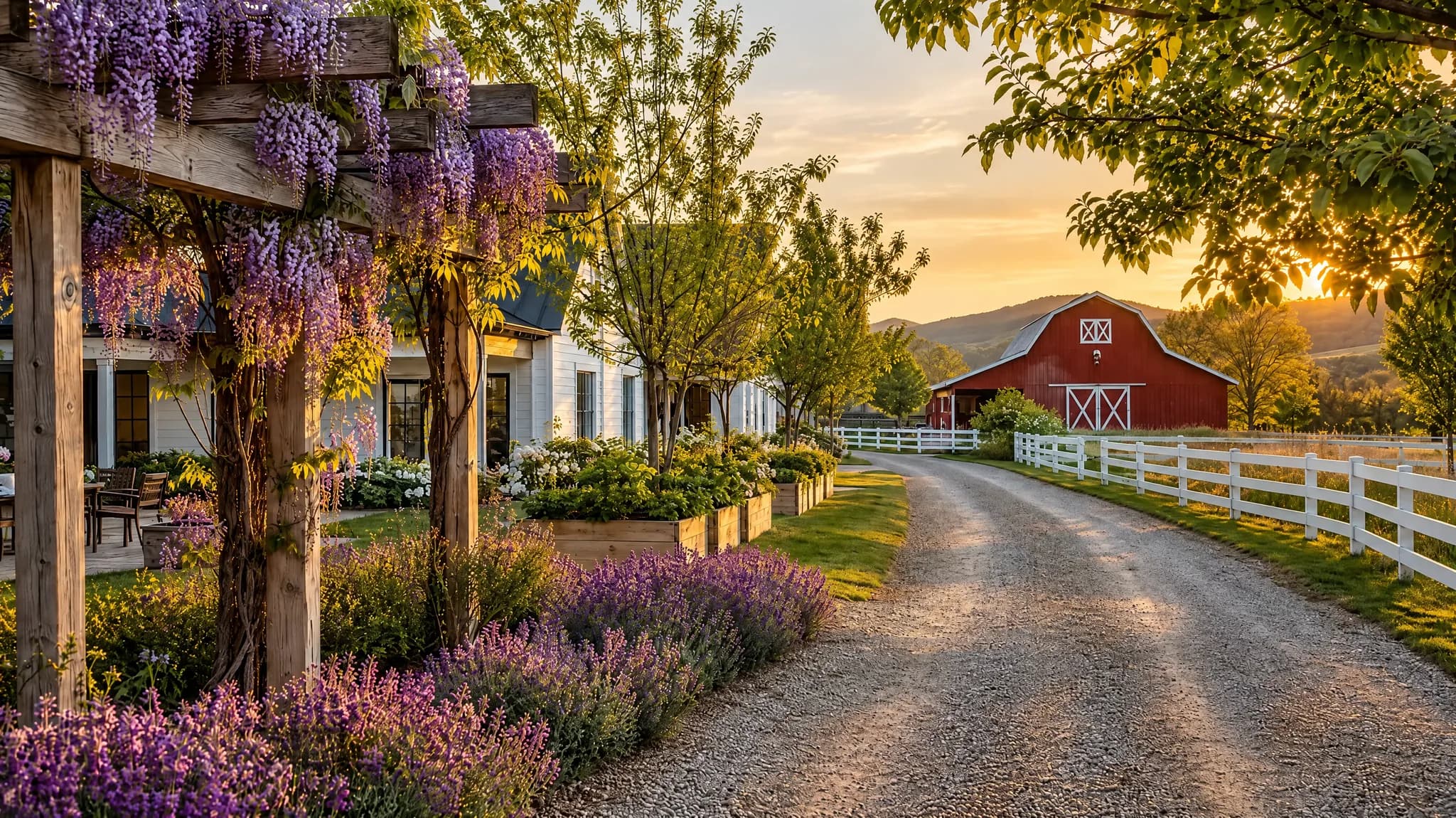
Farmhouse Modern Front Yard
Gravel driveways, raised vegetable planters, and rustic fencing blend rural charm with clean design.

Prairie Native Front Yard
Tall grasses, coneflowers, and habitat-friendly plantings celebrate the beauty of native prairie ecosystems.

Pollinator & Wildlife Style Guide
Native flowers, grasses, and a birdbath replace the lawn with a garden that feeds bees, butterflies, and birds.
Explore Pollinator & Wildlife StyleStart with a photo
Try Pollinator & Wildlife on your own Front Yard
Upload a photo and see it transformed into a pollinator & wildlife design in seconds. Your first 2 designs are free, no sign-up needed.