
Design ideas
Prairie Native Curb Appeal Design Ideas
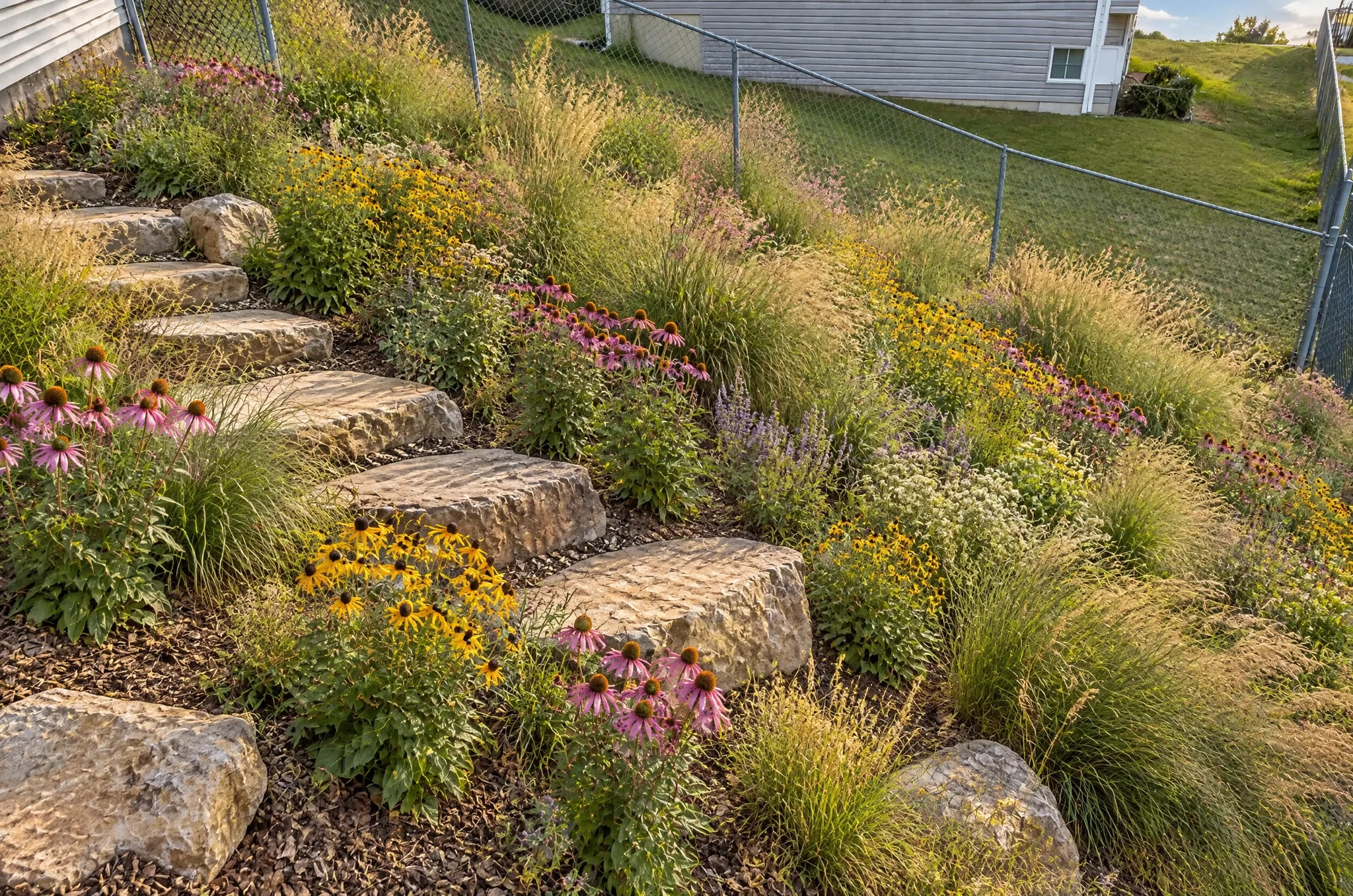
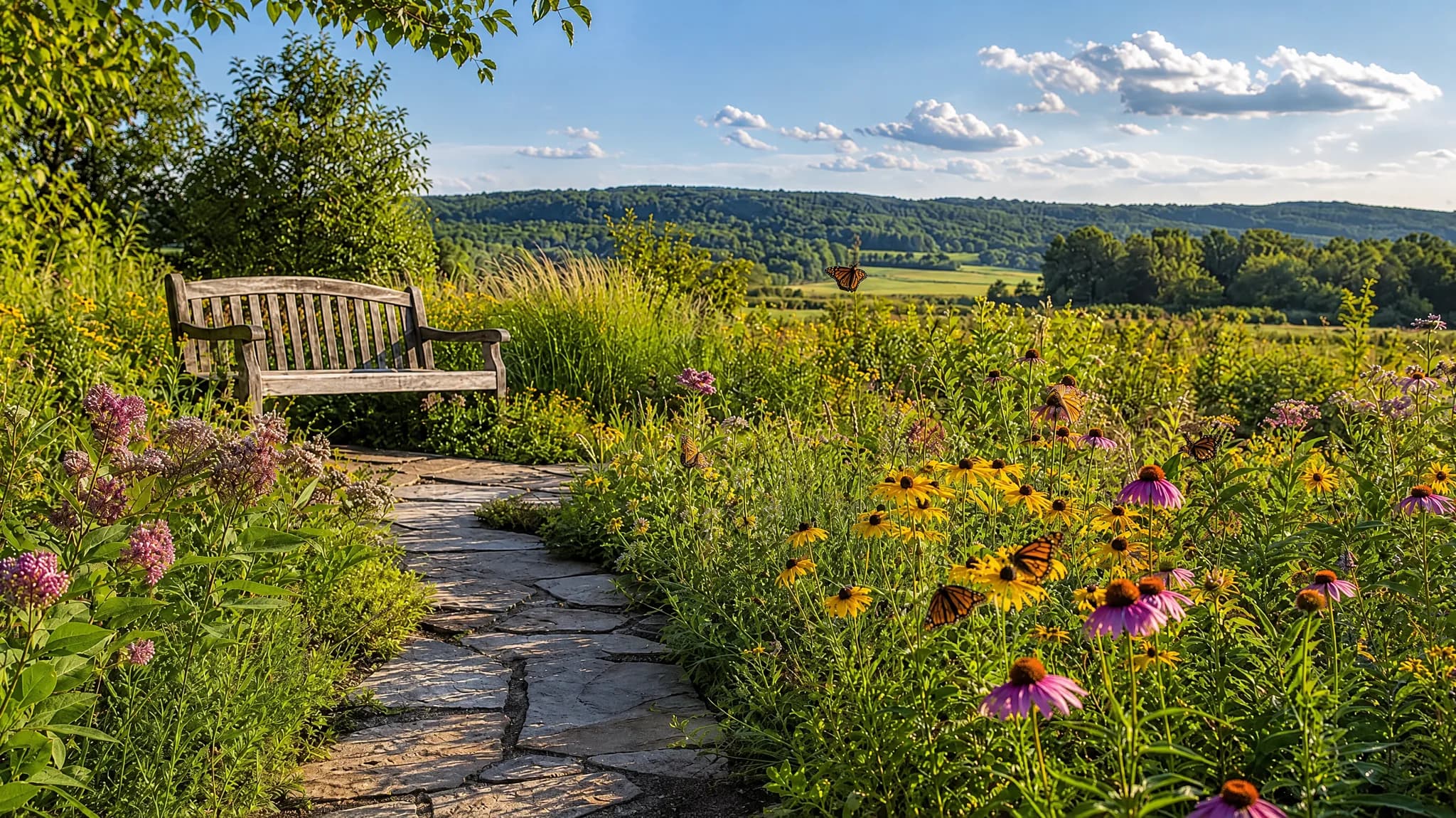
Tall grasses, coneflowers, and habitat-friendly plantings celebrate the beauty of native prairie ecosystems.
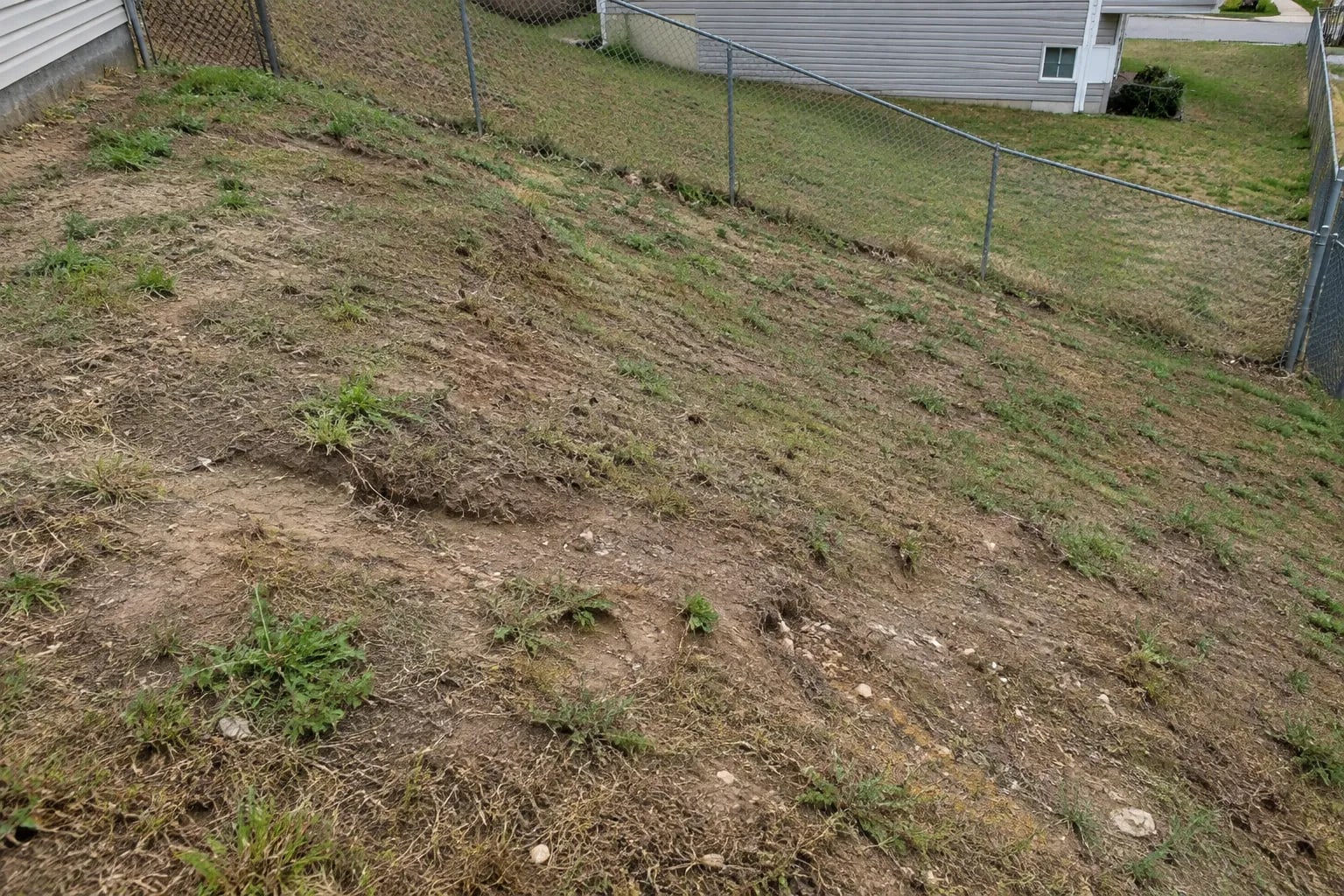
Looking for prairie native curb appeal design ideas? This guide covers specific plant species, material, and layout recommendations for creating a prairie native curb appeal. Explore the Prairie Native style applied to this space — with budget ranges, maintenance tips, and actionable design elements you can use today.
Key Design Elements
Prairie meadow replacing the traditional front lawn, cut once a year instead of weekly — check your city weed ordinance and HOA rules first
Mown or gravel path inviting approach through grasses, kept clear of the sidewalk
Rain garden at street edge for stormwater
Native limestone boulder groupings
Educational plant markers (optional, community-minded)
Recommended Plants & Materials
Materials & Color Palette
Budget Guide
DIY / Budget
$600–$1,500
Do-it-yourself with basic tools and materials
Mid-Range
$2,500–$6,000
Professional design with quality materials
Premium
$8,000–$18,000
Full professional installation, top-tier materials
Why Prairie Native Works for Curb Appeal
Prairie native curb appeal swaps a mowed lawn for a planting that changes color every month. Golden autumn grasses, purple coneflower drifts, and the pollinators they attract make a front yard that is both a wildlife habitat and a neighborhood talking point. A clean edge, a visible path, and a few boulders or plant markers tell passersby it is intentional, which matters because many cities cap non-woody vegetation height at 6–12 inches unless you register or apply for an exemption.
Maintenance: Low
Year one is the hard part: mow weeds to 4–6 inches before they flower and set seed, and keep doing it in years two and three if weeds persist. Don't hand-pull in the first year, because it disturbs the new seedlings. Once the planting has been established for about three years, mow it once a year in early spring after the seeds have fallen and remove the clippings; prairies usually need no fertilizer or pesticides. Burning needs a permit and is rarely an option on a front lawn. Keep the edge crisp and the path clear so neighbors and code officers read it as designed.
Sources
- University of Minnesota Extension — Planting and maintaining a prairie garden (mow weeds to 4–6 in., annual early-spring mow after year three)
- University of Illinois Extension — Simplifying municipal codes for gardeners (front yards regulated more strictly, height limits, complaint-based enforcement)
- NDSU Extension — Pollinators, Policies and Property (weed ordinances typically 6–12 in.; some cities offer prairie exemptions)
- Missouri Botanical Garden — Schizachyrium scoparium (2–4 ft, zones 3–9)
- Missouri Botanical Garden — Sporobolus heterolepis (2–3 ft, zones 3–9, slow to establish)
- Missouri Department of Conservation — Landscape-friendly grasses (prairie dropseed is difficult to establish from seed; plant plugs)
- Missouri Botanical Garden — Silphium laciniatum (5–9 ft, zones 3–8)
Other Styles for Curb Appeal Ideas

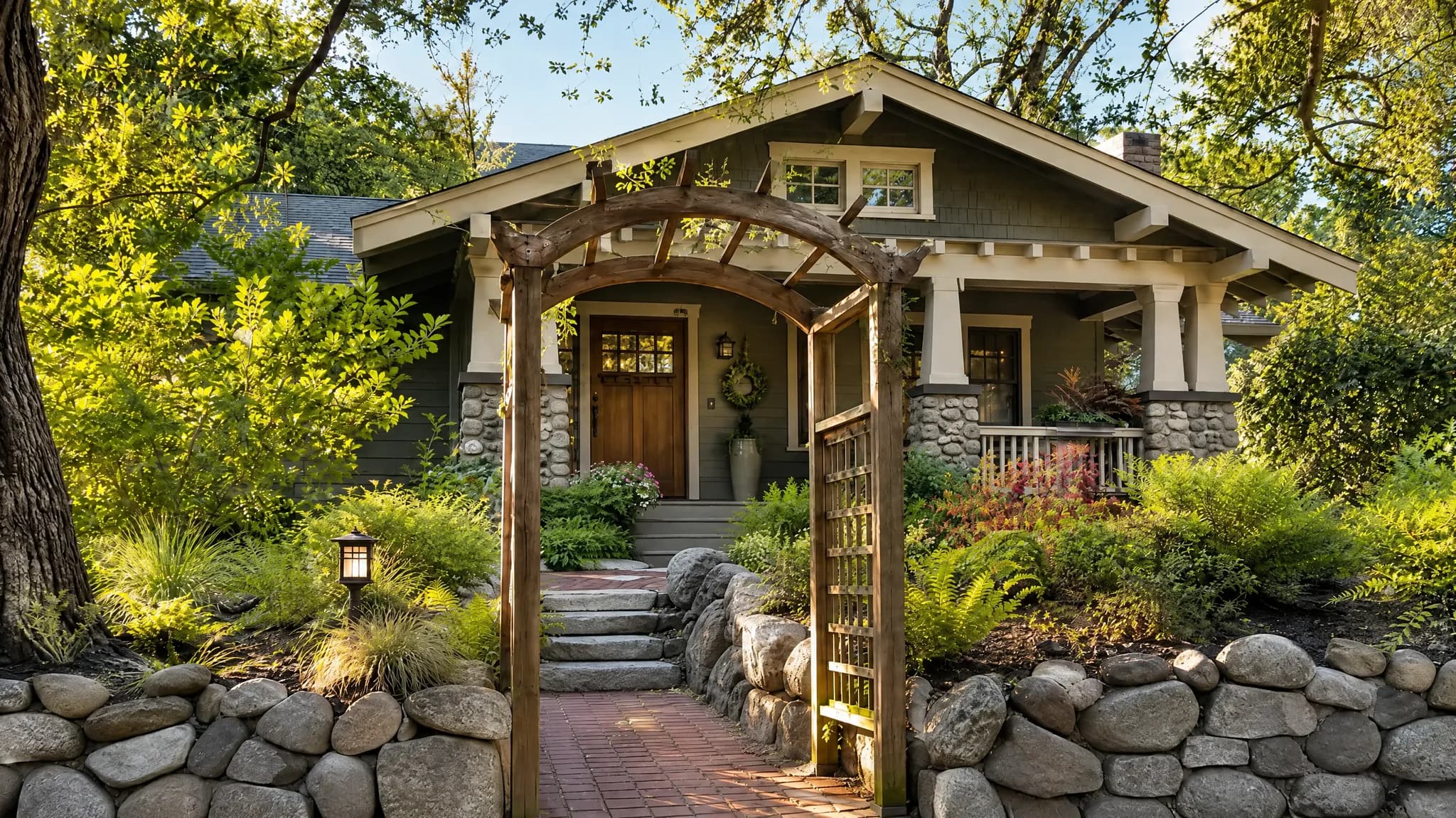
Craftsman Bungalow Curb Appeal
Low stone walls, native shrubs, and wood trellises complement the handcrafted character of bungalow homes.

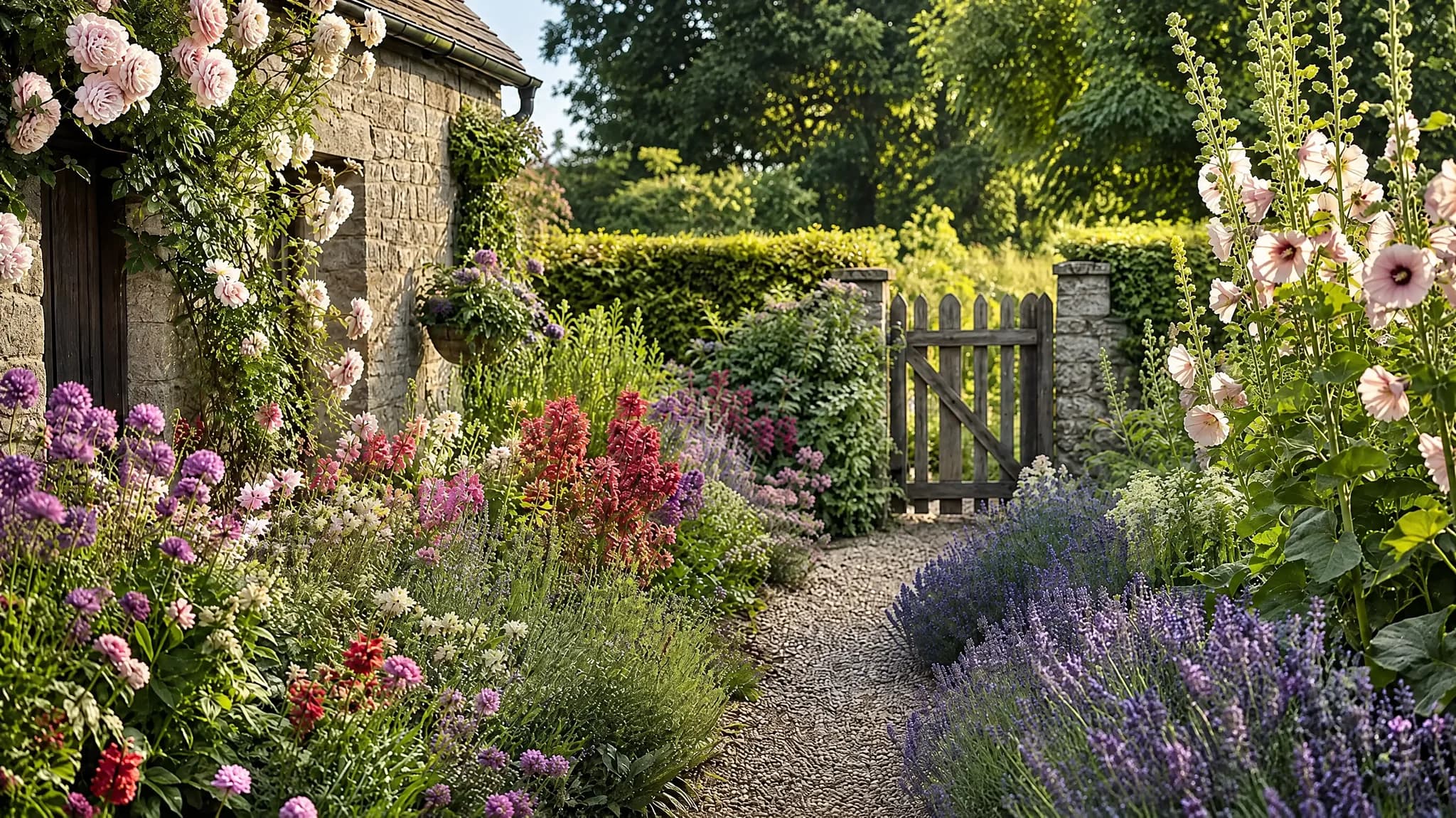
English Cottage Curb Appeal
Layered perennials, climbing roses, and charming boxwood hedges create an inviting, romantic atmosphere.

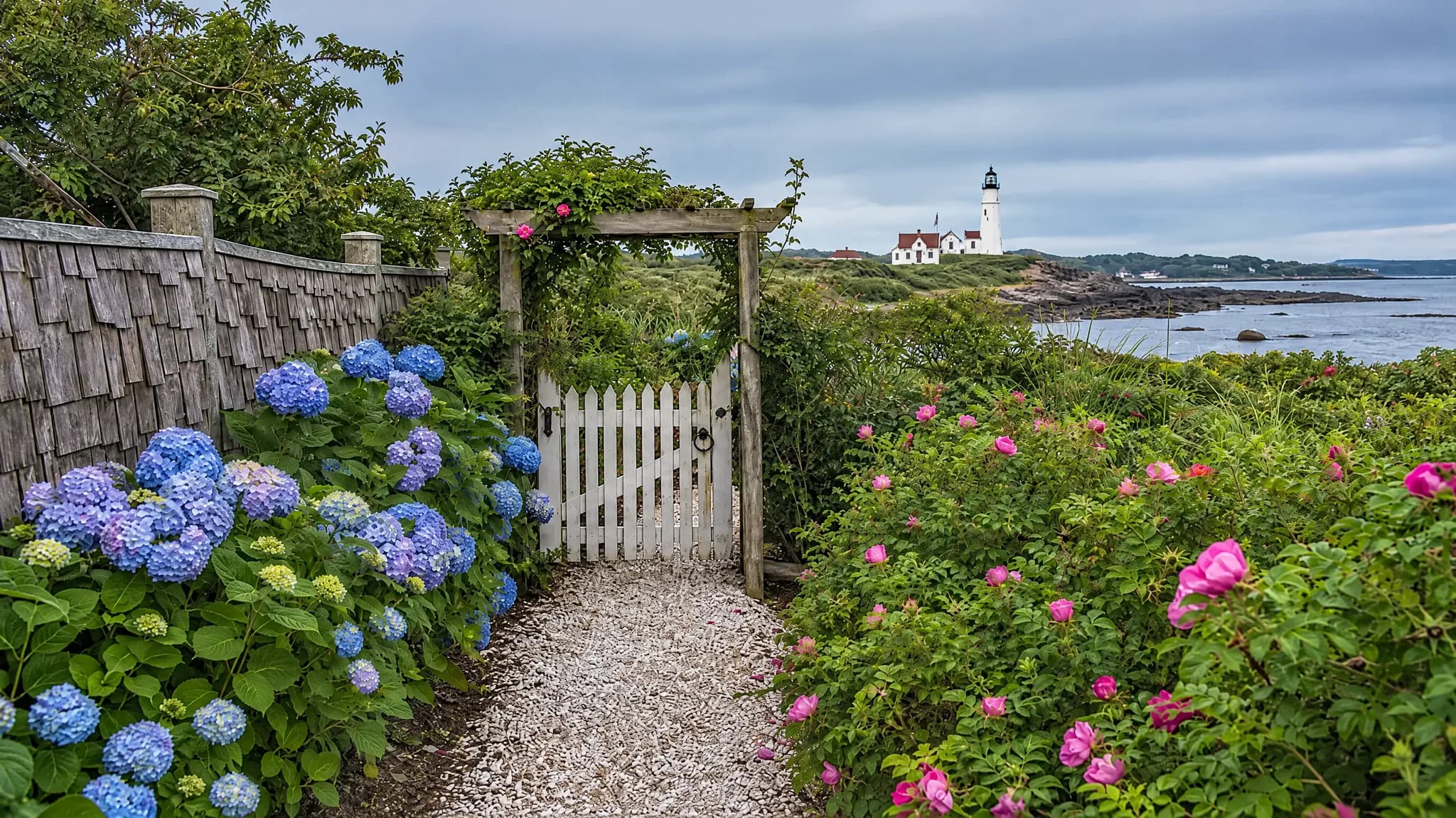
New England Coastal Curb Appeal
Blue hydrangeas, cedar shingles, and crushed shell paths evoke the charm of northeastern seaside living.

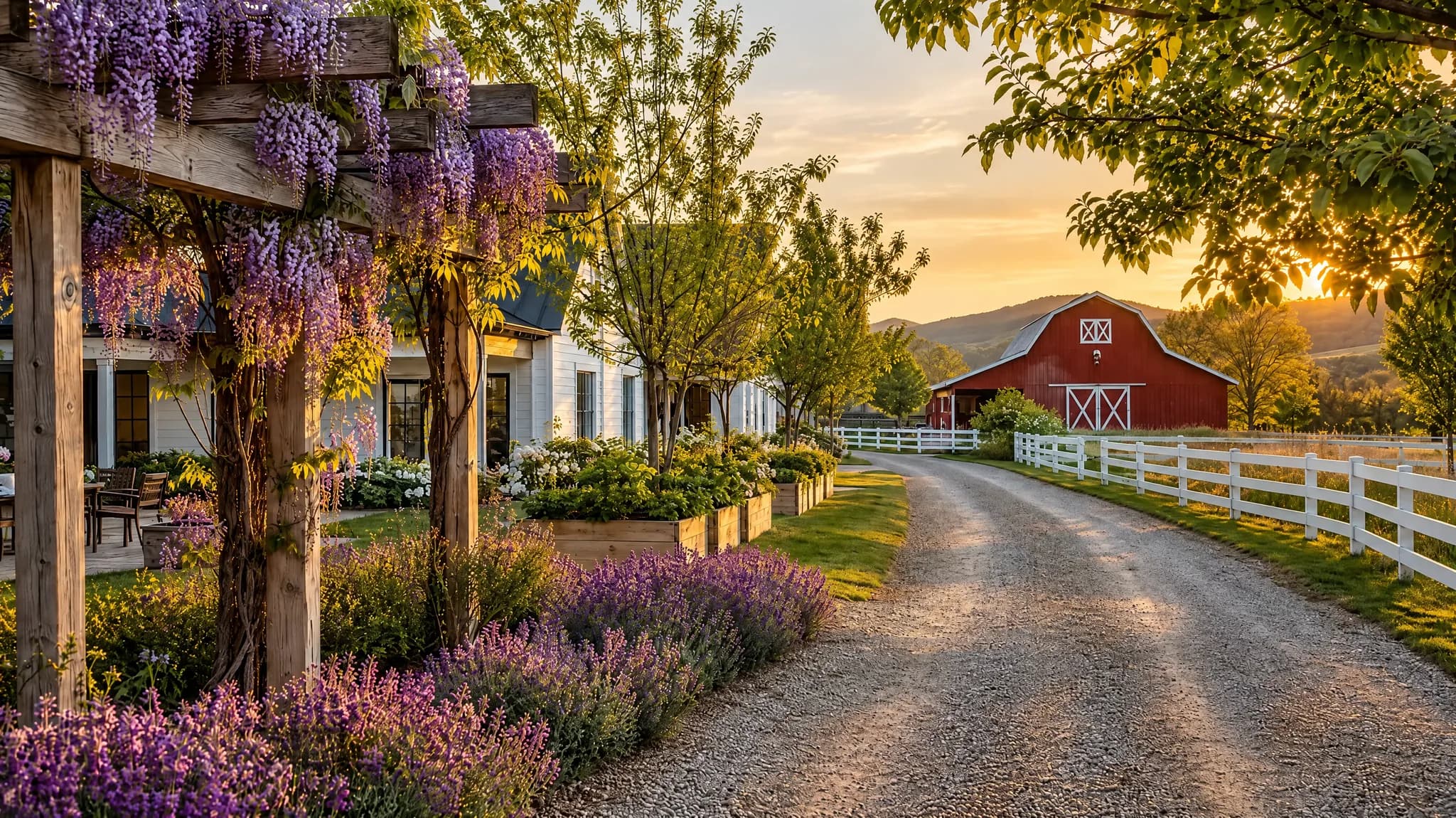
Farmhouse Modern Curb Appeal
Gravel driveways, raised vegetable planters, and rustic fencing blend rural charm with clean design.

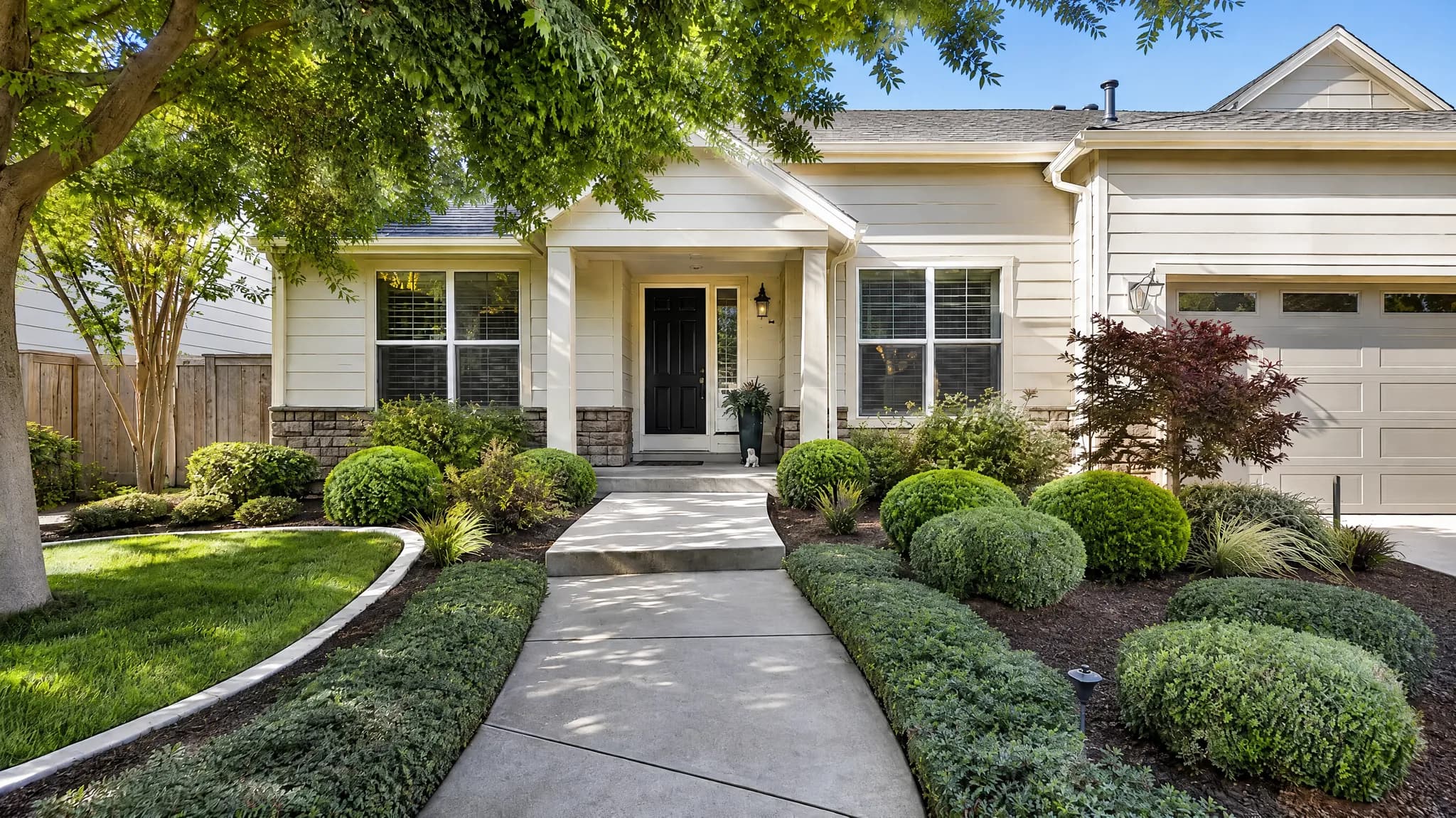
Low-Maintenance Front Yard Curb Appeal
Evergreen structure, gravel mulch, and hardy plants deliver lasting curb appeal with minimal upkeep.
Prairie Native in Other Spaces

Prairie Native Style Guide
Tall grasses, coneflowers, and habitat-friendly plantings celebrate the beauty of native prairie ecosystems.
Explore Prairie Native StyleStart with a photo
Try Prairie Native on your own Curb Appeal
Upload a photo and see it transformed into a prairie native design in seconds. Your first 2 designs are free, no sign-up needed.